

October 20, 2026
How to Break In and Soften a New Leather Jacket
New leather feels stiff because the fibres have not been flexed yet. Here is a realistic week-by-week break-in plan by hide weight, and the shortcuts worth skipping.
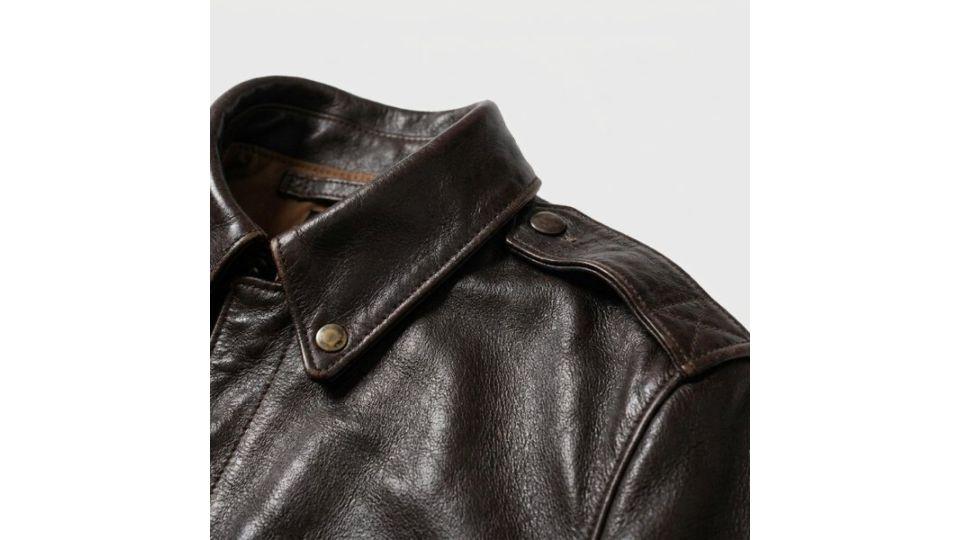
New leather feels stiff because the fibres have not been flexed yet. Here is a realistic week-by-week break-in plan by hide weight, and the shortcuts worth skipping.
Most storage damage happens quietly over summer: mold, stretched shoulders, dried-out leather. This end-of-season checklist, plus hanger and bag choices, keeps your jacket ready for autumn.
Airline captains, weekend flyers, fighter crews and helicopter pilots dress very differently. Here is what each wears and why, and how the one-piece flight suit came to be.
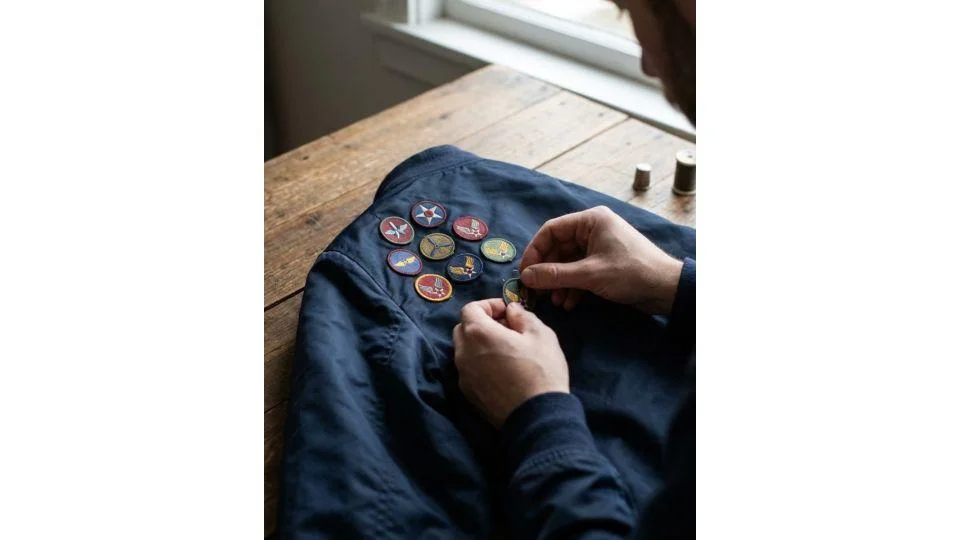
Patches on a flight jacket have a long history, but leather is unforgiving. Here is where patches traditionally go and which attachment method suits leather or nylon.
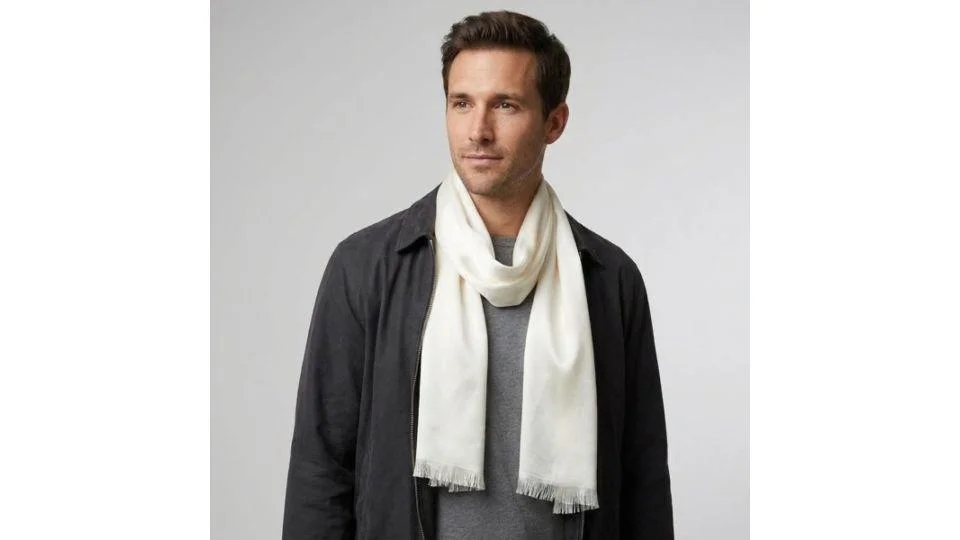
The aviator scarf was working kit before it was a style statement. Here is what it did in the cockpit, why silk beat wool, and how to choose and care for one now.
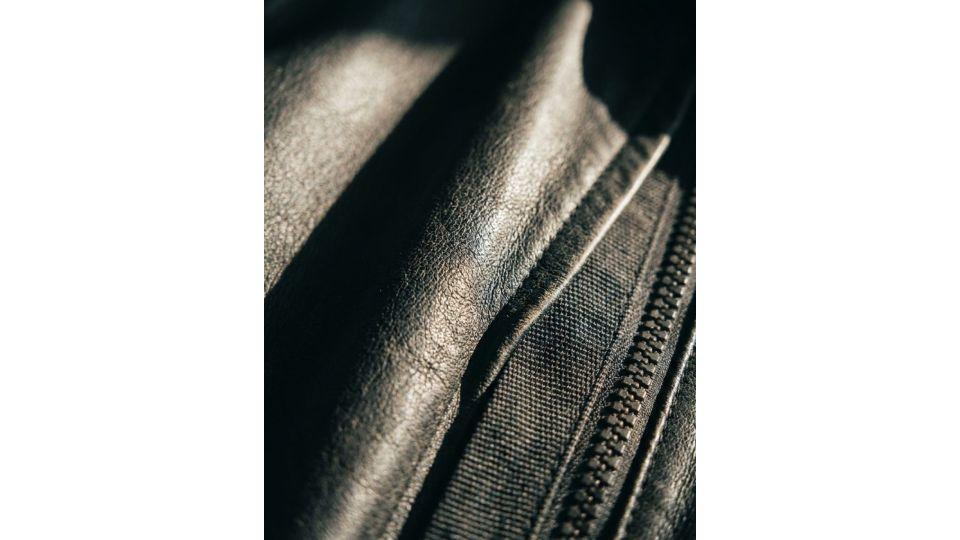
Patina is the fading, creasing and softening a leather jacket picks up from your wear. Here is how each hide ages, and how to tell character from damage.
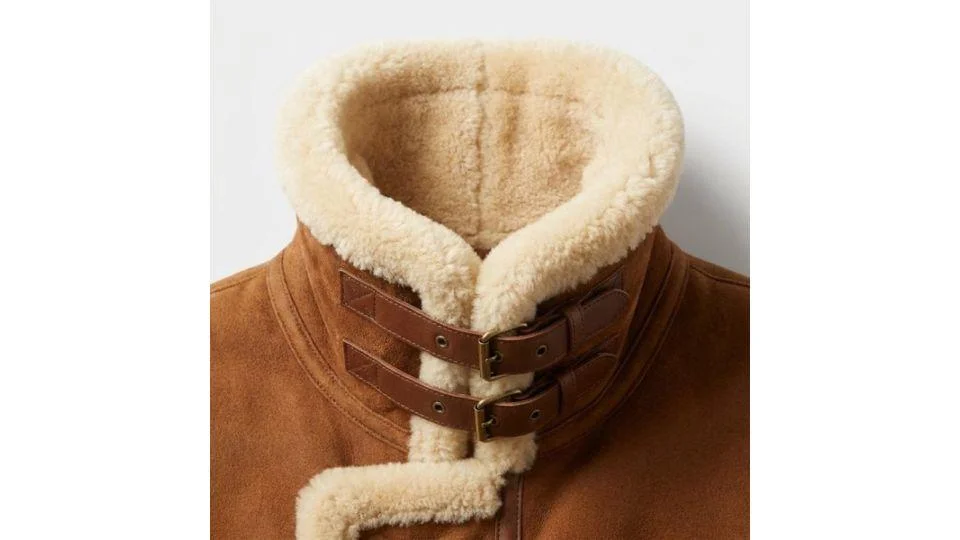
A shearling jacket is one material with two very different sides. Here is how to care for the leather face and the wool pile, and when to hand it to a specialist.
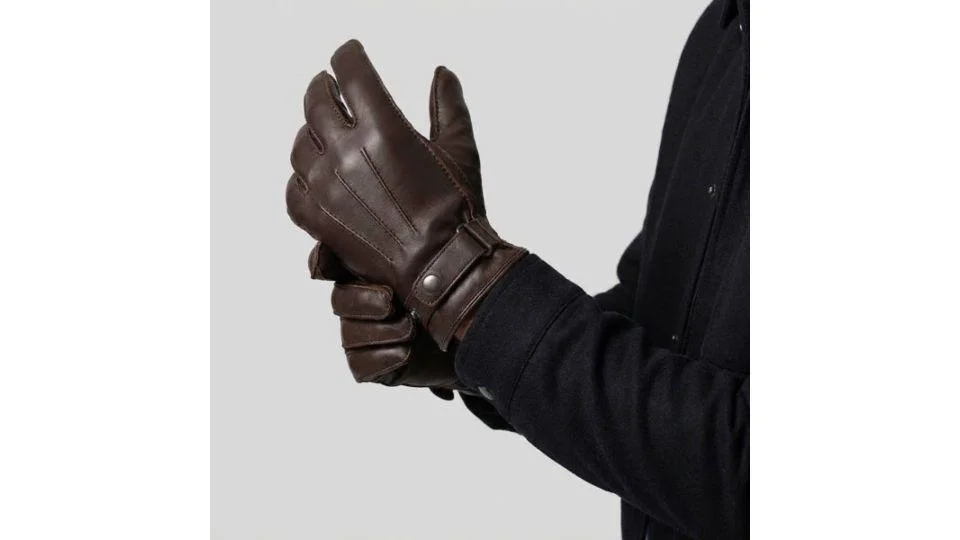
A leather jacket relaxes slightly across the chest, back and elbows as you wear it, but it does not grow longer. It only shrinks if it is soaked and then dried with heat. Here is what changes, what never does, and how that should shape the size you buy.
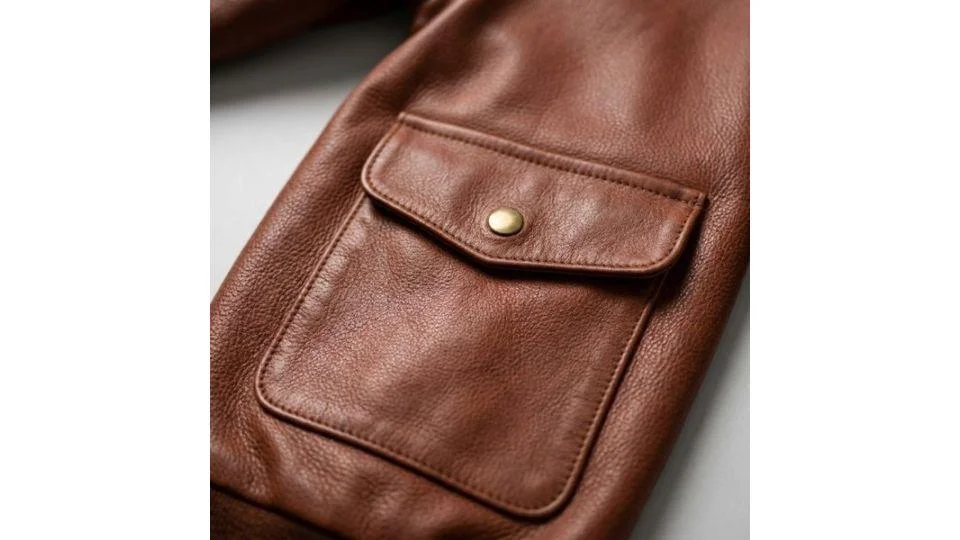
Most leather jacket faults are fixable, and the leather usually outlasts everything sewn to it. Here is what you can do yourself, what needs a specialist and when a repair stops making sense.
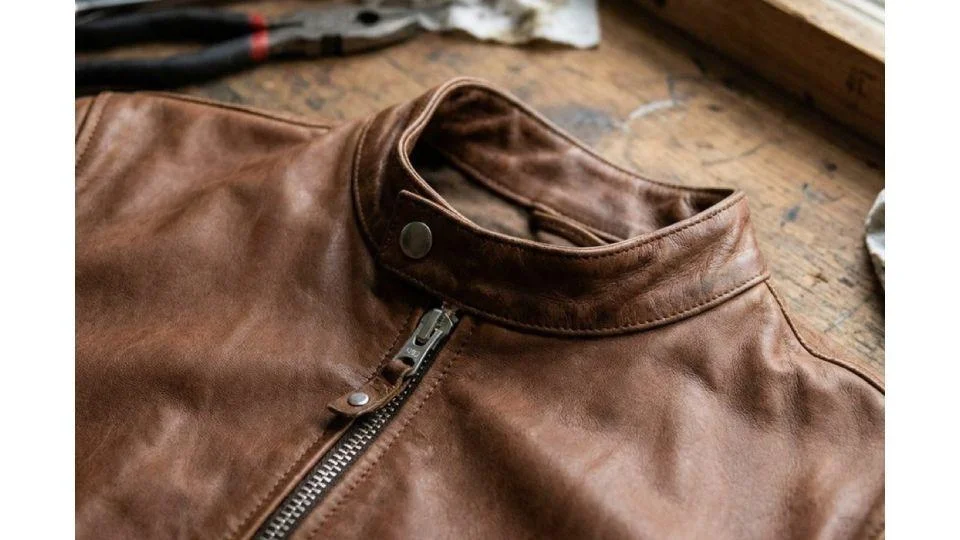
Smoke, sweat, mustiness and that strong new-leather smell all need different fixes. Identify the source first, then use the gentlest method that works.
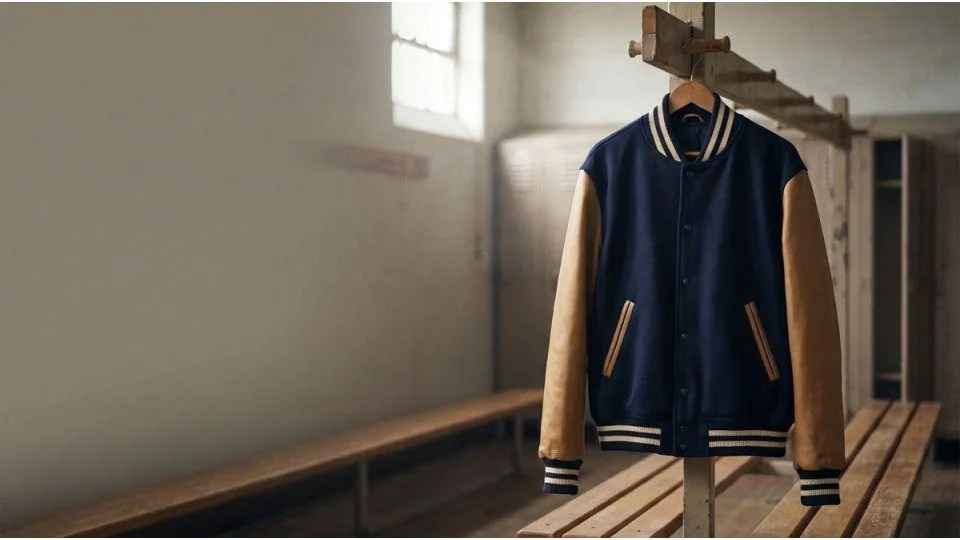
The varsity jacket began as an earned letter on a Harvard shirt and became a wool-and-leather icon. Here is its history, how to care for two materials at once, and how it compares with a bomber.
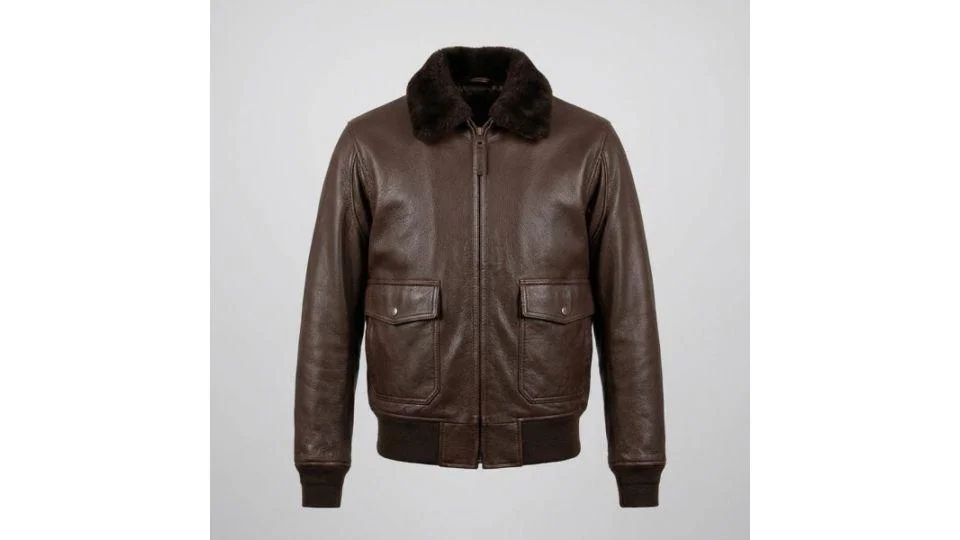
With good construction and basic care, a full-grain leather jacket can last for decades, and museum pieces from the 1940s still survive. The leather is rarely what fails first: zips, knit cuffs, linings and stitching usually go long before the hide.