
Every jacket made to order · Your size or made to measure · Free worldwide shipping over $299

Everyday leather
The flight-jacket shape without the uniform details.
Why a leather bomber
Easy fit
More room through the chest than an A-2.
Soft hides
Lambskin drapes from day one.
Simple front
A clean zip with knit collar, cuffs and waist.
Shop leather bombers
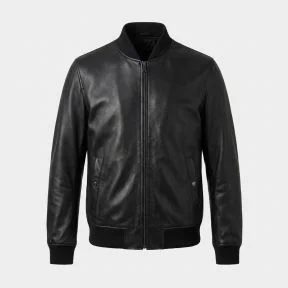
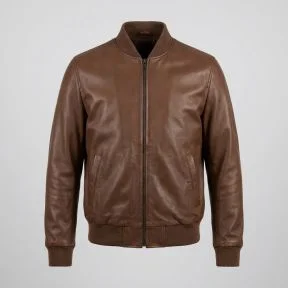
Lambskin in brown and black.
Made to order
Your leather bomber, made to order
Every leather bomber is cut and sewn after you order: in a standard size from our body-measurement chart, or made to measure from your chest, waist, shoulders, sleeve and back length. Then choose the lining, hardware and fit.
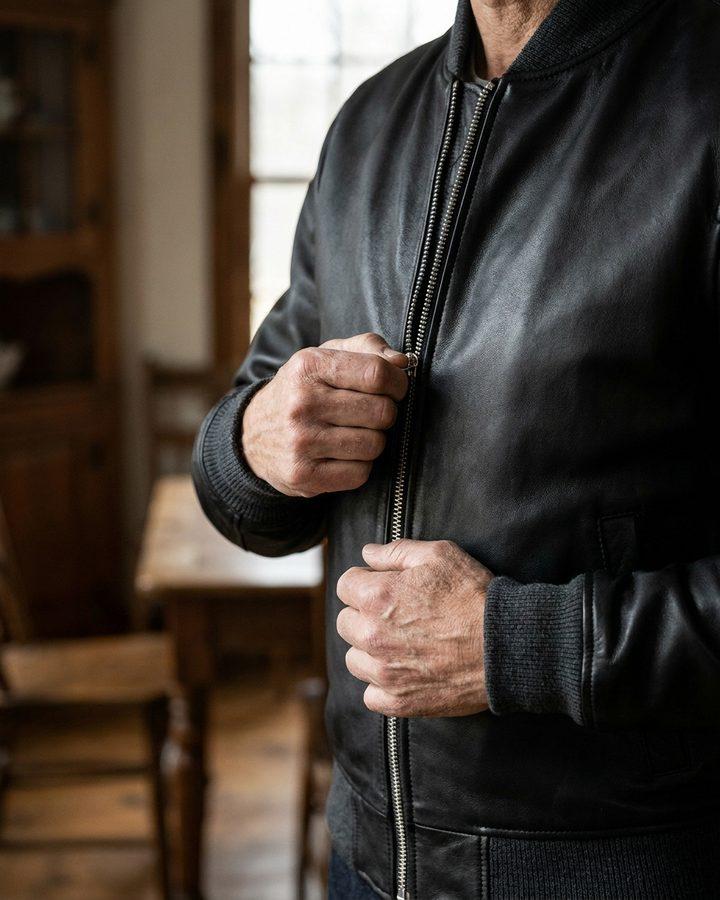
Lambskin, cowhide or goatskin
Pick the feel you want
Lambskin is the softest and lightest. Cowhide is tougher and holds its shape. Goatskin sits in between and hides marks.
See all leatherGuides for this style
- What Is a Bomber Jacket? Origins, Features and Types
- How to Style a Bomber Jacket: 12 Outfits for Men
- Horsehide vs Cowhide vs Goatskin vs Lambskin: Which Leather for a Flight Jacket?
- Café Racer vs Bomber vs Biker Jacket: Which Leather Style Suits You?
- How to Get Wrinkles and Creases Out of a Leather Jacket
- Why Are Leather Jackets So Expensive? What You Are Paying For
Read the full guide
A leather bomber jacket takes the short, rib-hemmed shape of a flight jacket and cuts it for everyday wear. It has more room through the chest, a zip front and knit cuffs and waistband, and it usually comes without the historic details of an A-2 or G-1. Our leather bomber jackets for men come in lambskin, cowhide and goatskin. Each is made to order in your size or measurements, and each product page lists the hide plus the lining and hardware options.
Shape
Waist-length, easy fit, rib-knit cuffs and hem.
Leather
Lambskin for softness, cowhide for toughness, goatskin in between.
Warmth
Mid-weight. Quilted linings add warmth for winter.
Best for
Daily wear over a T-shirt or sweater, in town or travelling.
Lambskin, cowhide or goatskin?
All three make a good leather bomber jacket. They suit different people:
Lambskin: softest from the first wear
A lambskin bomber jacket is thin, light and drapes like a heavy shirt. It feels broken in the day you get it. The trade-off is durability: lambskin scratches more easily, and a bag strap or rough wall will leave a mark. Choose it if comfort and a smooth, refined look matter more than ruggedness.
Cowhide: built to take a beating
Cowhide is thicker and stiffer. It blocks wind well and shrugs off scuffs, but it takes weeks to soften and feels more structured on the shoulders. Choose it if the jacket will see hard use or you want it to last decades with little fuss.
Goatskin: the middle ground
Goatskin is lighter than cowhide but tougher than lambskin. Its pebbled grain hides small marks, and it softens quickly. Choose it if you want one jacket that handles daily wear without feeling heavy.
For horsehide and shearling as well, see the full hide comparison on our leather jackets page.
What drives the price of a leather bomber jacket?
Two jackets can look the same in a photo and differ a lot in price. Four things account for most of the gap:
| Factor | At the lower end | At the higher end | What you notice |
|---|---|---|---|
| Hide | Split or corrected-grain leather, sanded and coated to even it out | Full-grain or top-grain hide with the natural surface kept | Full-grain breathes better and develops patina; coated leather can crack |
| Tanning and finish | Fast chrome tanning with a heavy pigment coat | Slower tanning with aniline or semi-aniline dye that lets the grain show | Better tanning feels supple and ages evenly instead of peeling |
| Lining | Thin polyester, glued seams | Cotton, satin or quilted lining, fully stitched, with inner pockets | A good lining slides on easily and lasts as long as the shell |
| Hardware | Light zips and plated snaps | Heavy-gauge metal zips, solid snaps, reinforced stress points | The zip is usually the first part to fail on a cheap jacket |
Construction also counts: tight, even stitching, pockets bar-tacked at the corners, and rib knit that's thick enough to keep its shape. Our product pages state the hide type, lining and hardware so you can compare like with like.
Leather bomber vs the flight-jacket classics
- A-2: a shirt collar, snap-flap pockets and a closer, shorter fit.
- G-1: a fur collar and a bi-swing back.
- Leather bomber: simpler, roomier and easier to layer, with a knit or leather collar.
- Prefer nylon? See MA-1 bomber jackets.
Leather bomber jacket FAQ
How should a leather bomber fit?
The rib hem should sit at or just below your belt, with enough room in the chest for a sweater. If the knit waistband rides up when you lift your arms, the body is too short; choose Made to measure and enter your own back length (see how made to measure works).
Is lambskin worth it?
If you want comfort and a soft drape, yes. If the jacket will be worn hard every day, goatskin or cowhide will look good for longer.
Can I wear a leather bomber in the rain?
Light rain is fine. Blot it dry and let it air-dry away from heat, then condition when needed. See leather care.