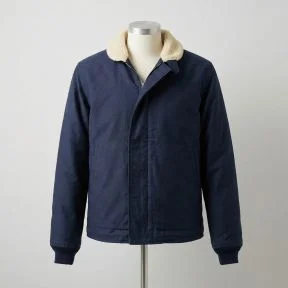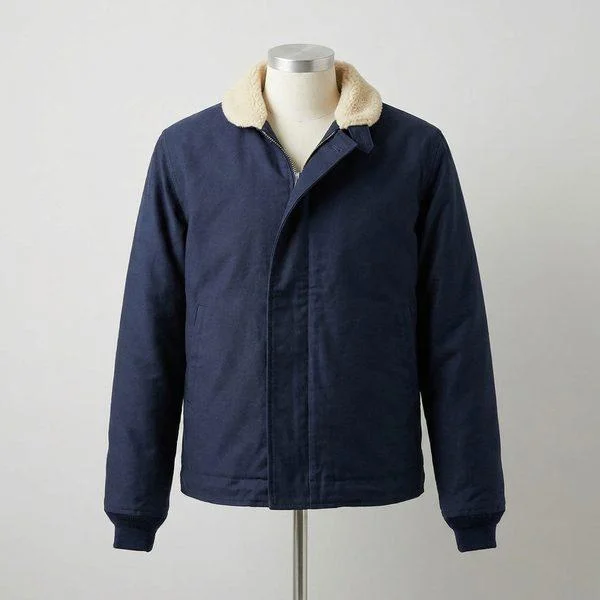
N-1 deck
- Cotton jungle-cloth shell
- Thick pile lining
- Blocks the wind
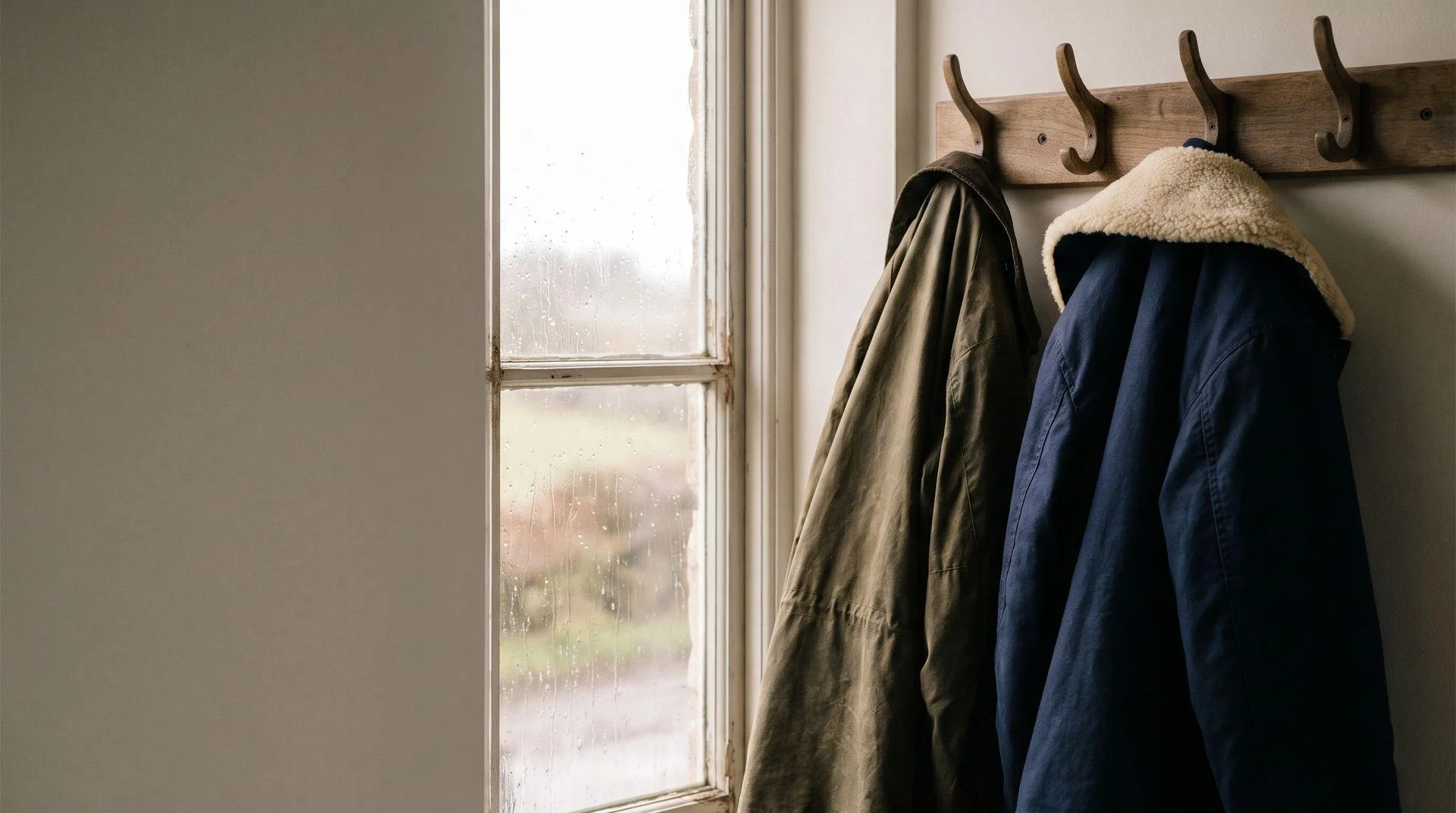
Two ways to beat the weather.
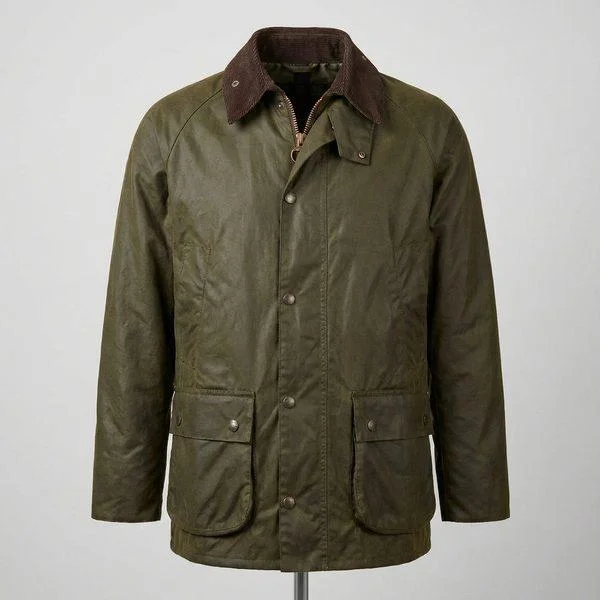

Warm without synthetic fill.
Each deck jacket is made after you order. Pick a standard size, or choose made to measure and give us your chest, waist, shoulders, sleeve and back length. Add a monogram, hardware finish and the fit you like.
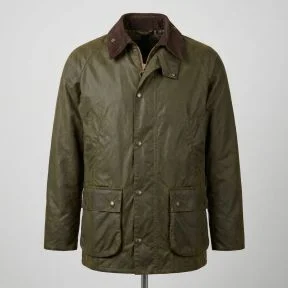
The N-1 deck jacket is a short cotton jacket with a thick pile lining, first made for sailors working on open decks. It blocks wind well and is warm without any synthetic fill. Alongside it we carry waxed cotton jackets, which trade the pile for a wax finish that sheds rain. Each jacket is made to order in your size or measurements, and each product page lists the shell weave, lining fibre and finish.
A US Navy deck-crew pattern from the Second World War era.
Dense cotton (jungle cloth or whipcord) for deck jackets; wax-treated cotton for waxed jackets.
Deck jackets: warm, thanks to the pile. Waxed jackets: light to mid (guidance, not a rating).
Wind, cold mornings and drizzle, and anyone who prefers natural fibres.
The classic N-1 has a pile-lined collar, a zip front with a button storm flap, slash pockets and, on many versions, knit wristlets inside the sleeves. Two things decide how it feels: the weave of the shell and the pile inside.
| Jungle cloth | Whipcord | |
|---|---|---|
| Weave | Very tight plain weave with a fine ribbed face | Steep diagonal twill with a raised cord |
| Feel when new | Smooth, slightly stiff, crisp | Firm and dense, with a visible texture |
| Wind | Excellent; the tight weave blocks it | Very good |
| How it ages | Softens and fades at the edges | Holds its shape; wears to a soft sheen on the cords |
| Choose it if… | You want the most traditional deck-jacket fabric | You want extra toughness and a textured look |
The pile is what makes a deck jacket warm. Traditionally it was an alpaca and wool blend; today it may be wool blend or synthetic pile. Natural pile breathes and stays warm when slightly damp. Synthetic pile is lighter and easier to wash. Each product page names the pile fibre. Expect the jacket to feel stiff for the first weeks; the pile compresses and moulds to you with wear.
Fit: the N-1 is short and roomy, designed to go over a sweater. Most people take their usual size. The thick pile takes up space, so if you are between sizes, go up, or choose Made to measure and select the Room for layers fit.
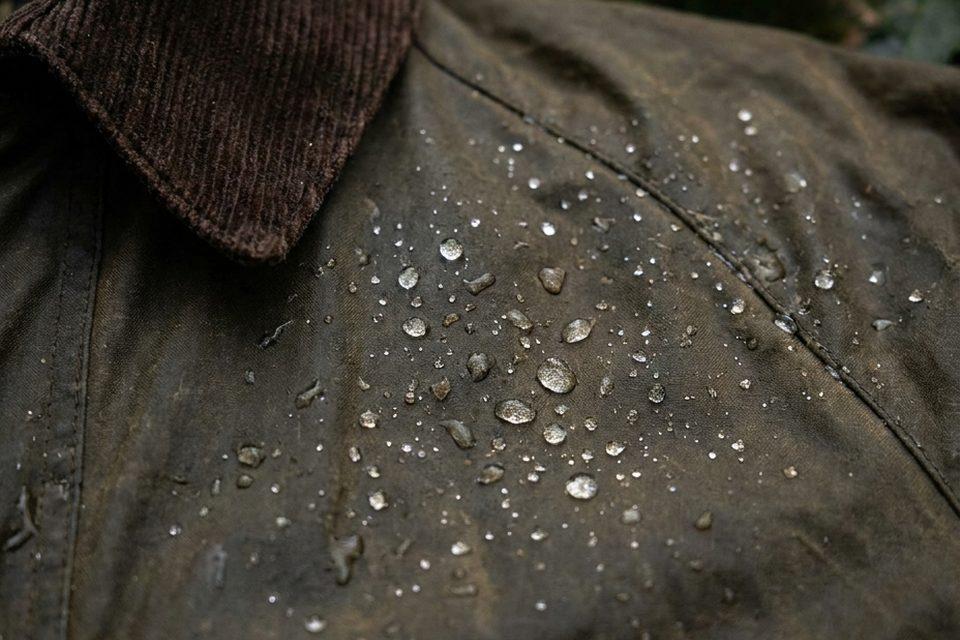
Waxed cotton is cotton cloth impregnated with paraffin or a beeswax-based wax. The wax makes it highly water resistant while keeping a natural feel. It was widely used through the middle of the last century, including by British forces in the Second World War (Wikipedia). It is heavier and less breathable than modern synthetic shells, and it develops creases and a worn-in look that many owners prize.
| Task | How | How often |
|---|---|---|
| Everyday cleaning | Brush off dry mud, or sponge with cold water. No detergent, no washing machine, no dry cleaning. | As needed |
| Drying | Hang at room temperature on a wide hanger. Never next to a radiator. | After every soaking |
| Storage | Clean and fully dry, somewhere cool and airy. Don't store it damp or folded in a bag. | Off season |
| Re-waxing | Warm the wax tin in hot water. Work small amounts into the fabric with a soft cloth, paying attention to seams, shoulders and cuffs. Gently warm the jacket with a hair dryer so the wax spreads evenly, then hang overnight. | About once a year, or when water stops beading |
| Product | Use the wax the maker recommends where stated; finishes differ. | — |
Re-waxing guidance is based on general waxed cotton practice (Wikipedia). Always check the care label first. Warm weather makes re-waxing easier, because the wax and cloth are softer.
No. The tight cotton shell resists wind and light drizzle, but it soaks through in steady rain. For wet weather, a waxed cotton jacket is the better pick.
The pile makes it a real cold-weather jacket for dry days, comfortable over a sweater around freezing. That's guidance, not a rating.
Follow the care label. Many need spot cleaning only, because washing can mat the pile. Brush the pile when dry to lift it.
A freshly waxed jacket can leave a slight residue at first. Let it cure overnight after re-waxing and wipe off any excess.