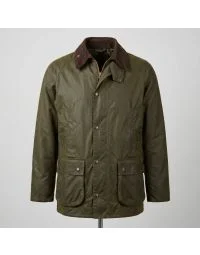
To rewax a waxed cotton jacket, wipe it clean with cold water and a sponge, let it dry, warm a tin of wax dressing in hot water for about 20 minutes until it is soft or liquid, then work it into the fabric with a cloth, paying extra attention to seams, creases and pale dry patches. Wipe off the excess, even it out with gentle heat from a hair dryer if needed, and hang the jacket overnight somewhere warm to cure. Most people need to do this about once a year, more often with heavy outdoor use.
Signs your jacket needs rewaxing
Waxed cotton is woven cotton impregnated with a wax or oil-and-wax dressing. With wear, washing and sun, that dressing wears away, starting at the places that flex and rub. Look for:
- Pale, dry or matte patches, especially at the elbows, shoulders, cuffs, pocket edges and along the back where a bag strap sits.
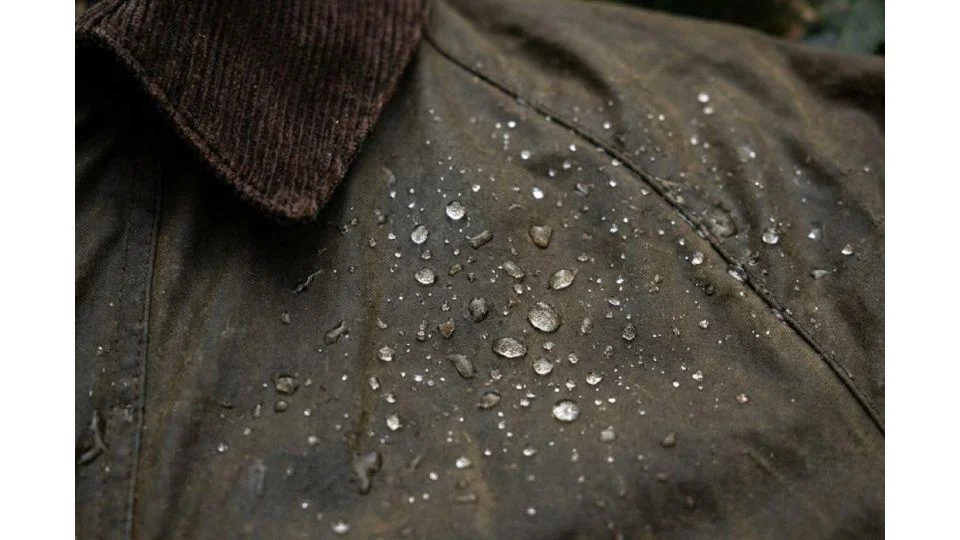
- Water soaking in instead of beading and rolling off. Test by dripping a little water on the shoulder.
- A papery, light feel to the fabric where it used to feel slightly tacky and heavy.
- Damp showing through on your shirt after rain.
- Fine cracking or whitening along creases. Gentle warmth often clears this; if it does not, the wax is thin.
If only the elbows and seams are pale, a spot rewax is enough. If the whole jacket looks dry, do a full rewax.
What you need
- Wax dressing made for waxed cotton outerwear (check the jacket's label or maker's advice for the right type)
- A bowl or pan of hot water large enough to stand the tin in
- A sponge for cleaning and two lint-free cloths or a small sponge for waxing
- A hair dryer (optional, for spreading and finishing)
- A sturdy hanger and some old sheets or newspaper
Rewax step by step, with timing
| Stage | What to do | Time |
|---|---|---|
| 1. Clean | Brush off dry mud. Wipe the outside with a sponge and cold water. No soap, no hot water. | 15 minutes |
| 2. Dry | Hang at room temperature until fully dry. Wax will not bond to damp fabric. | Several hours to overnight |
| 3. Warm the wax | Remove the lid and stand the tin in hot water until the wax softens or melts. | About 20 minutes |
| 4. Apply | Work in small sections with a cloth, rubbing wax into seams, creases and dry patches first, then the rest. Keep the tin in the hot water; top up the water if the wax starts to set. | 30 to 60 minutes for a full jacket |
| 5. Even out | Wipe off excess. Warm patchy or streaky areas with a hair dryer held at a distance so the wax sinks in evenly. Do not let it run. | 10 to 15 minutes |
| 6. Cure | Hang overnight in a warm room, away from other clothes. | Overnight, longer in cold weather |
| 7. Settle | The jacket may shed a little wax for a short time. Keep it off pale fabrics, leather and upholstery. | A few days of wear |
Set aside a free afternoon and evening. Rushing the drying or curing is the most common reason for a sticky, uneven finish.
Where to keep the wax off
Do not wax corduroy collars, the lining, the inside of pockets, knit cuffs or leather trims. Wax mats corduroy and stains linings. Mask collars with a strip of paper if you have a shaky hand.
Cleaning a waxed jacket between rewaxes
Waxed cotton is cleaned gently and rarely. Brush off dry dirt with a soft brush. Wipe marks with a sponge and cold water. For stubborn grime, a little more patience and cold water is better than any cleaning product; soap and detergent strip the wax. Let the jacket dry naturally on a hanger, away from radiators and fires.
What not to do
| Mistake | What happens |
|---|---|
| Washing machine | Strips the wax, can leave the cotton unevenly coated and may make the jacket impossible to rewax well. Makers warn against it. |
| Hot water or soap | Dissolves and lifts the wax from the fibres. |
| Dry cleaning | Solvents remove the dressing. |
| Drying on a radiator or by a fire | Melts wax unevenly and can mark the fabric. |
| Using the wrong product | Candle wax, beeswax blocks or shoe polish do not penetrate cotton evenly and can stay sticky. |
| Storing it damp | Waxed cotton traps moisture underneath, which invites mildew and smells. |
| Folding it tight in storage | Sets hard creases where wax cracks first. |
Storing a waxed jacket
Hang it on a broad hanger in a cool, ventilated closet, not in a plastic bag. Leave space around it; freshly waxed cotton can transfer to the clothes next to it. If you put it away for summer, make sure it is clean and dry first, and check it for mildew when you bring it out.
Waxed cotton vs leather in the rain
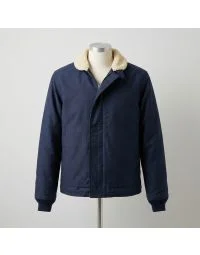
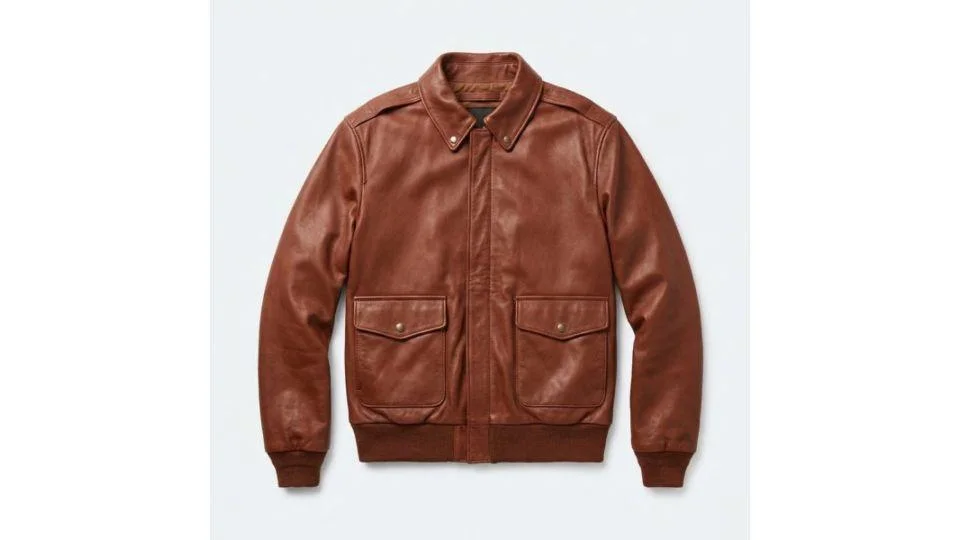
A well-waxed cotton jacket handles a steady downpour better than most leather jackets, which is why it became a staple for outdoor and coastal wear. Leather can cope with showers if you dry it properly; our guide to wearing a leather jacket in the rain explains how. Many deck-style jackets today use waxed cotton for the same reason. If you like the look, the original naval version is covered in our N-1 deck jacket history, and our deck and waxed cotton jackets carry the style forward.
FAQ
How often should I rewax a waxed jacket?
Roughly once a year for regular wear, and more often if you wear it daily in wet weather or the elbows turn pale.
Can I rewax a jacket that has been machine washed?
You can try, but results vary. Washing can strip the wax unevenly, and the cotton may need several coats to even out. A specialist reproofing service is worth asking about.
Why is my jacket sticky after rewaxing?
Too much wax or not enough curing time. Warm it gently with a hair dryer, wipe off the excess with a clean cloth and hang it somewhere warm for another day.
Can I wear it straight away?
Give it at least overnight. Wearing it before the wax sets can transfer wax to your clothes and car seats.
Sources
Rewaxing steps, wax warming time and what to avoid follow maker guidance from Barbour: Jacket Re-wax Guide (Classic 6oz). Background on waxed and oilcloth fabrics: Waxed cotton (Wikipedia).