
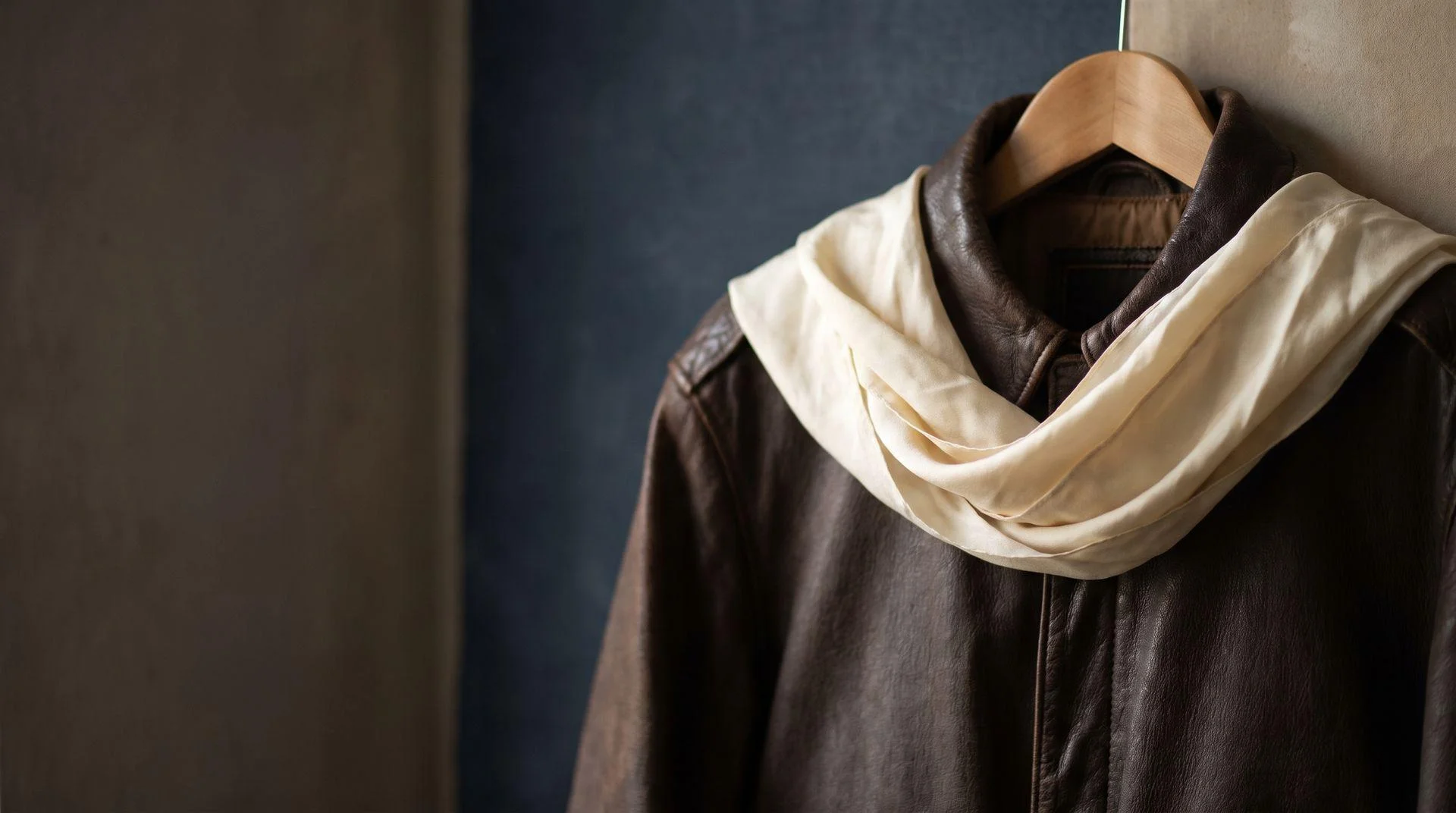
Every jacket made to order · Your size or made to measure · Free worldwide shipping over $299
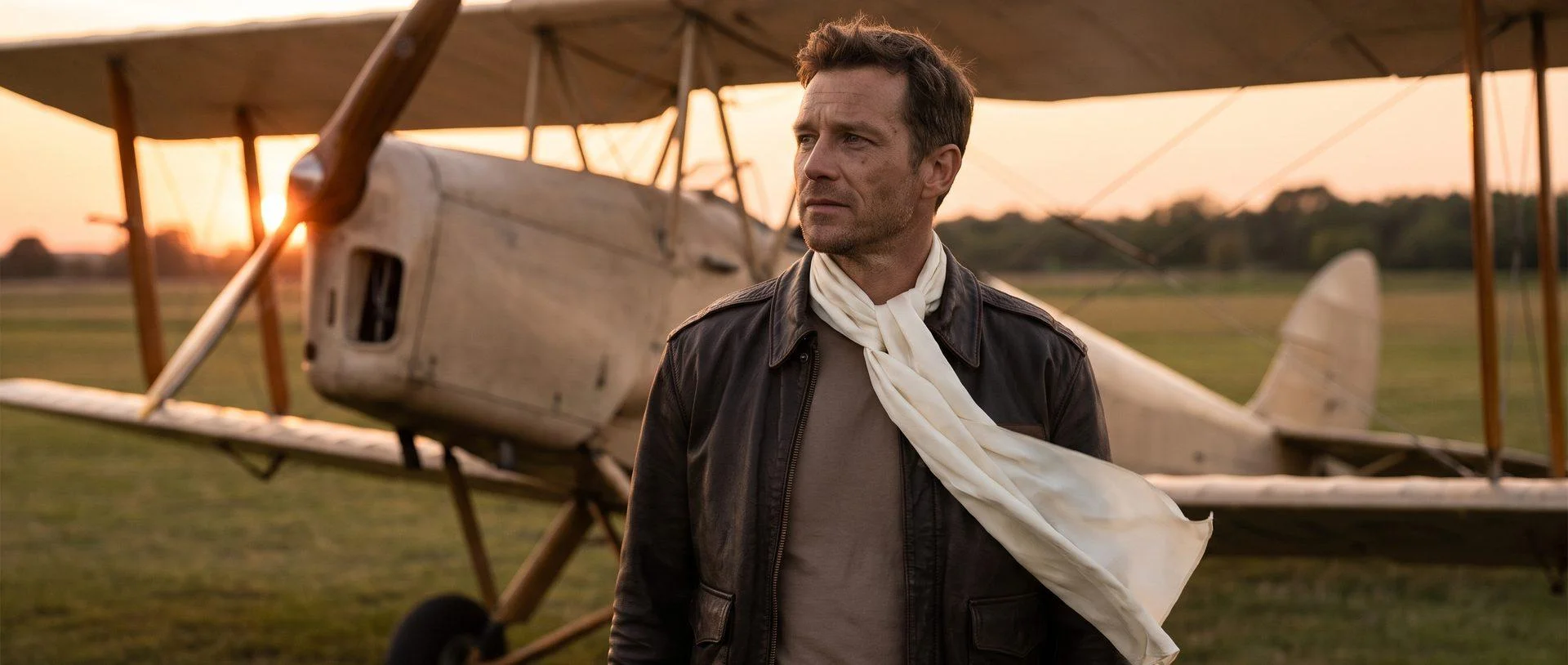
The classic detail
Silk stopped collars chafing.
Early pilots wore silk scarves to stop their collars chafing as they turned their heads to scan the sky.
Why pilots wore silkSilk or wool
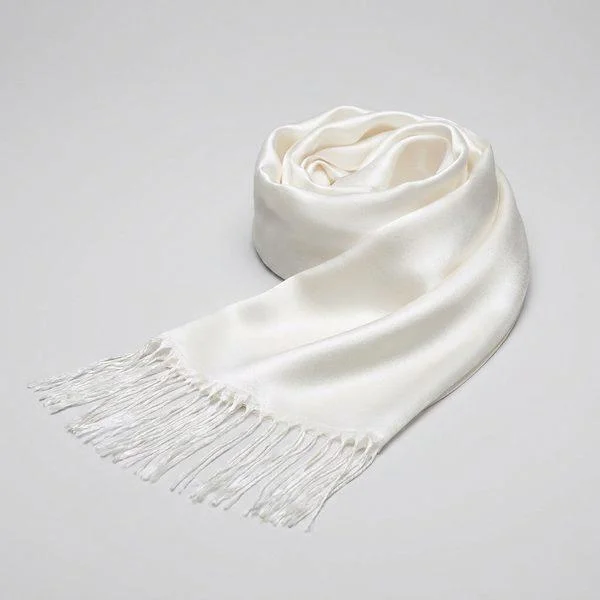
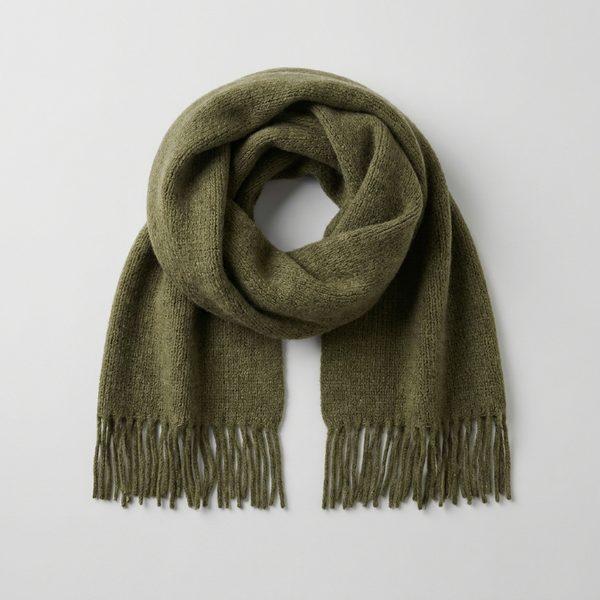
Shop scarves
How to tie it
Loose loop
Drape it once round the neck and let the ends hang.
Tucked
Cross the ends inside the jacket collar.
Over the collar
Let it sit outside a leather collar.
Guides for this style
Read the full guide
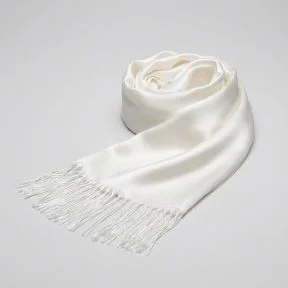
An aviator scarf is a long, light scarf worn loosely at the neck under a flight jacket collar. White or cream silk is the classic choice, and it's the detail that makes a leather jacket read as early aviation. Each product page lists the fibre and the dimensions, so you can tell a pure silk aviator scarf from a blend.
Fibre
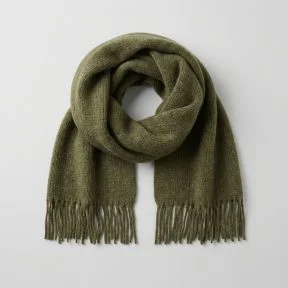
Silk for the traditional look; blends and cotton for easy care.
Size
Long and narrow enough to wrap once and knot, with ends to tuck in.
Colour
White and cream are classic; navy and olive suit nylon jackets.
Pairs with
A-2, G-1 and B-3 jackets, and a leather flying helmet.
Why pilots wore silk
In open and early closed cockpits, a fighter pilot's head never stopped moving. Watching for other aircraft meant turning left, right and up, over and over. A wool or leather collar rubbing against the same patch of skin for hours left the neck raw. Silk is smooth, so it slid over the skin instead of scraping it. It also added a little warmth at altitude and, in some aircraft, kept engine fumes away from the mouth (Wikipedia).
The habit carried through both world wars. Today the pilot scarf is worn for tradition and style.
How to tie an aviator scarf
The loose loop
Drape the scarf around the back of your neck, cross the ends at the front and tuck both inside the jacket. It's the simplest tie, and the one most often seen in WWII photographs.
The single knot
Wrap once around the neck so both ends hang at the front. Tie a loose overhand knot just below the throat and let the ends fall inside an open collar.
The ascot fold
Cross the ends at the throat, bring one end up through the neck loop and let it fall over the other. Smooth it flat and tuck it in. It looks neat with a G-1.
Pilot scarf FAQ
Silk or cotton?
Silk is smoother against the skin and drapes better. Cotton and blends are easier to wash and cost less. Pick silk if you want the traditional silk aviator scarf; pick cotton for daily, hard wear.
How do I wash a silk scarf?
Follow the care label. Most silk scarves are best hand-washed in cool water with a mild detergent, then dried flat away from sun. Iron on a low, silk setting.
Do scarves suit a nylon jacket?
They can, but a white silk scarf reads as WWII. With an MA-1, a plain navy or olive scarf looks more natural.