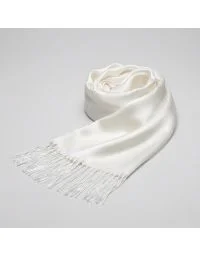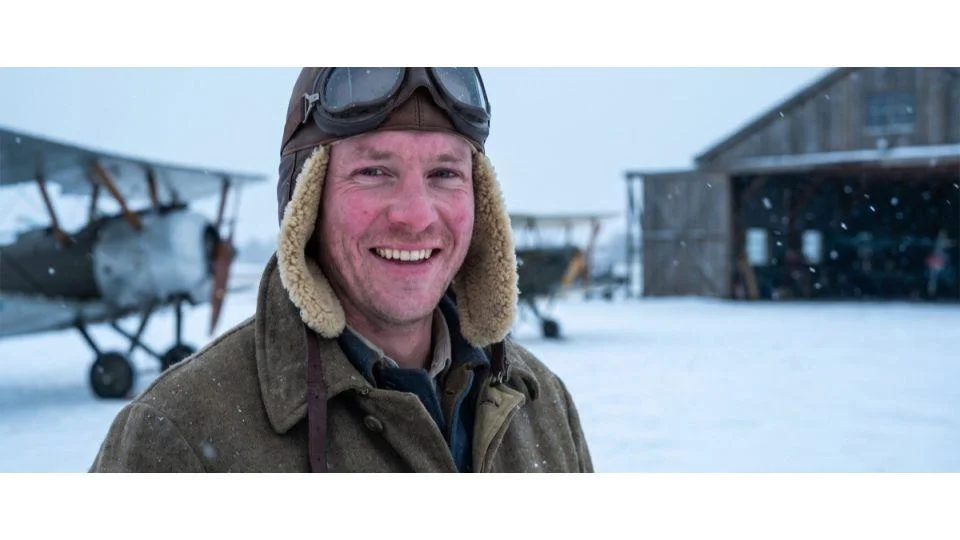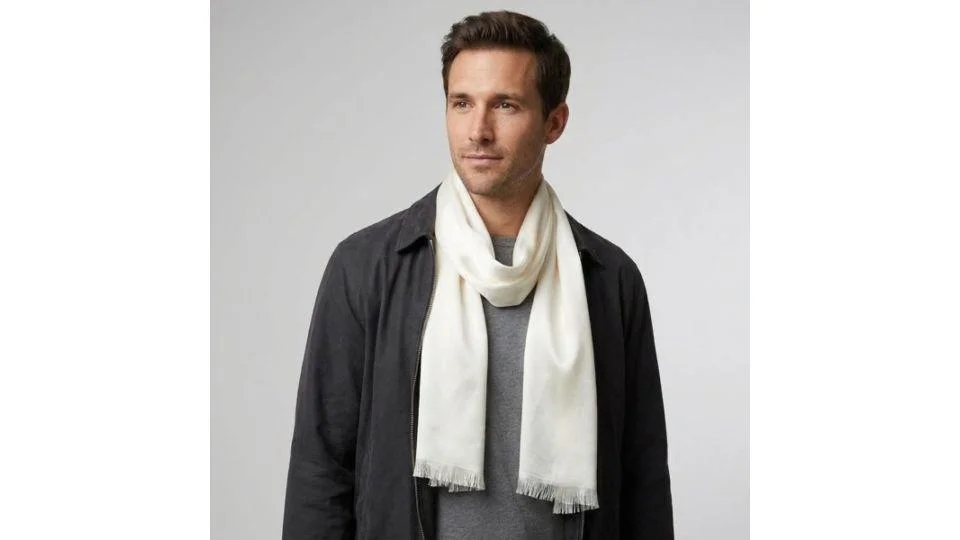
Pilots wore silk scarves for practical reasons. In open cockpits a fighter pilot turned his head constantly to scan for other aircraft, and a rough wool or leather collar rubbed his neck raw; smooth silk stopped the chafing. The scarf also sealed the gap at the collar against freezing wind, and on many early aircraft it doubled as a cloth for wiping engine oil off goggles. The dashing look came later.
The habit was so firmly linked with flying that, according to the Canadian War Museum, some Second World War aircrew in enclosed cockpits were still issued scarves to help with scanning the sky and to keep warm.
What the scarf actually did
It is easy to treat the scarf as costume. Taking each job in turn shows why so many pilots chose to wear one.
| Job | The problem in the cockpit | How the scarf helped |
|---|---|---|
| Preventing chafing | Pilots swivelled their heads hundreds of times a flight to watch for enemy aircraft | Silk slid over the skin instead of scraping it against a stiff collar |
| Sealing out wind | Cold air poured down the neck of a flying coat at speed and altitude | Wrapped and tucked in, it closed the gap between helmet and collar |
| Cleaning goggles | Rotary engines of the First World War, lubricated with castor oil, threw a fine oil mist back at the pilot | A quick wipe cleared goggles and face without removing gloves |
| Filtering air | Exhaust and oil vapour and icy air hit the face directly | Pulled over the nose and mouth, it softened both |
| Identification | Squadrons wanted a sense of identity | Coloured or patterned scarves became informal squadron or personal marks |
Most of these jobs belonged to the open-cockpit era of roughly 1914 to the 1930s. Once canopies, heaters and radios arrived, the warmth and goggle-wiping roles faded, while the chafing and tradition roles stayed.
Why silk, not wool
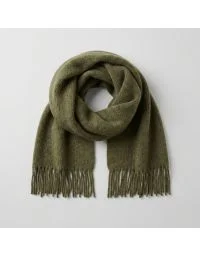
Wool is warmer, so why did pilots favour silk? Because the main job was friction, not insulation. Silk's long, smooth filaments glide over skin. Wool's scaly fibres grip, and rubbed back and forth for hours they irritate the neck. Silk is also light and thin, so it tucks into a collar without bulk and packs into a pocket. It still adds useful warmth for its weight.
| Quality | Silk scarf | Wool scarf |
|---|---|---|
| Feel against the neck | Very smooth; no chafing | Can itch and rub with movement |
| Warmth for weight | Moderate; a wind barrier more than insulation | High; traps a thick layer of air |
| Bulk under a collar | Very low | High; can push the collar open |
| Wiping goggles or glasses | Good; soft and lint-free | Poor; sheds fibres |
| Behaviour when damp | Dries quickly; can water-spot | Stays warm when damp; slow to dry |
| Best use today | Under a leather or nylon flight jacket collar | Over a coat in real cold |
A practical rule: if you want comfort at the neck under a flight jacket, choose silk. If you are standing outside in deep winter, choose wool, or wear both, silk against the skin and wool over the top.
The scarf in the wider aviator outfit
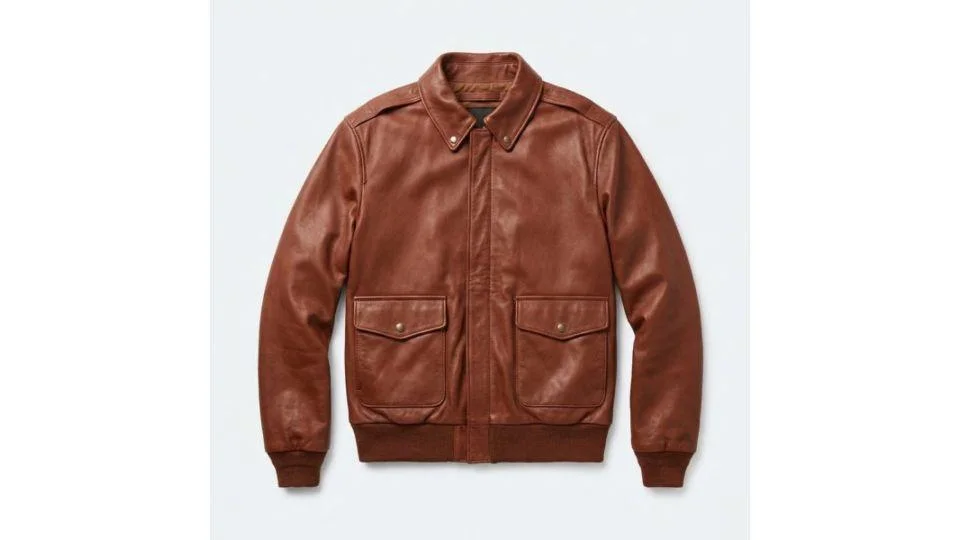
The scarf worked as one part of a system: leather helmet, goggles, scarf, flight jacket and gauntlets. The helmet and the scarf met at the neck to close the gap where wind entered. Our article on the leather flying helmet covers the other half of that seal. If you are putting together a period look, our guide to dressing like a 1940s aviator shows how the pieces fit together.
How to choose and wear an aviator scarf now
- Length. A long scarf can be wrapped once and tucked into a jacket front with ends to spare. A shorter cravat-style scarf sits neatly inside an open collar.
- Weight. Heavier silk twill holds a knot and resists creasing. Very fine silk looks elegant but crumples.
- Colour. White is the classic image of early aviation. Cream, olive, navy and maroon are easier to wear every day and show less grime.
- Knot. The simplest: drape it around the neck, cross the ends at the front and tuck them inside the jacket. For more flair, loop it once and leave one end hanging over the lapel.
- Safety. If you fly today, keep long scarf ends tucked well away from controls, harnesses and anything that rotates, especially around propellers on the ground.
Browse our aviator scarves for silk and other materials; each product page lists the fibre and care.
Caring for a silk scarf
- Check the care label first. Some silks are dry clean only.
- Spot test any cleaning method on a hidden corner, because some dyes run.
- If hand washing is allowed, use cool water and a gentle detergent made for silk or wool. Swish, do not scrub.
- Roll it in a towel to remove water. Never wring silk.
- Dry flat out of direct sun, then press on a low iron setting through a cloth.
- For a vintage or valuable scarf, use a professional dry cleaner experienced with silk.
Aviator scarf FAQ
Did all pilots wear scarves?
No. They were most common among fighter and open-cockpit pilots. Many bomber crews in closed cabins went without, although some Second World War aircrew were still issued scarves.
Is a silk scarf warm?
As guidance, not a rating: silk adds noticeable warmth by blocking wind at the neck, but wool insulates far better in real cold.
Why are aviator scarves often white?
White silk was widely available and photographed well, which fixed it in the public image of early aviators. Pilots also wore coloured and patterned scarves.
Sources
Functions and wartime use were checked against the Canadian War Museum: Aviation Scarf artifact backgrounder and Core77: why fighter pilots wore silk scarves.