
Every jacket made to order · Your size or made to measure · Free worldwide shipping over $299
Leather flight jackets
Leather that gets better every year you wear it
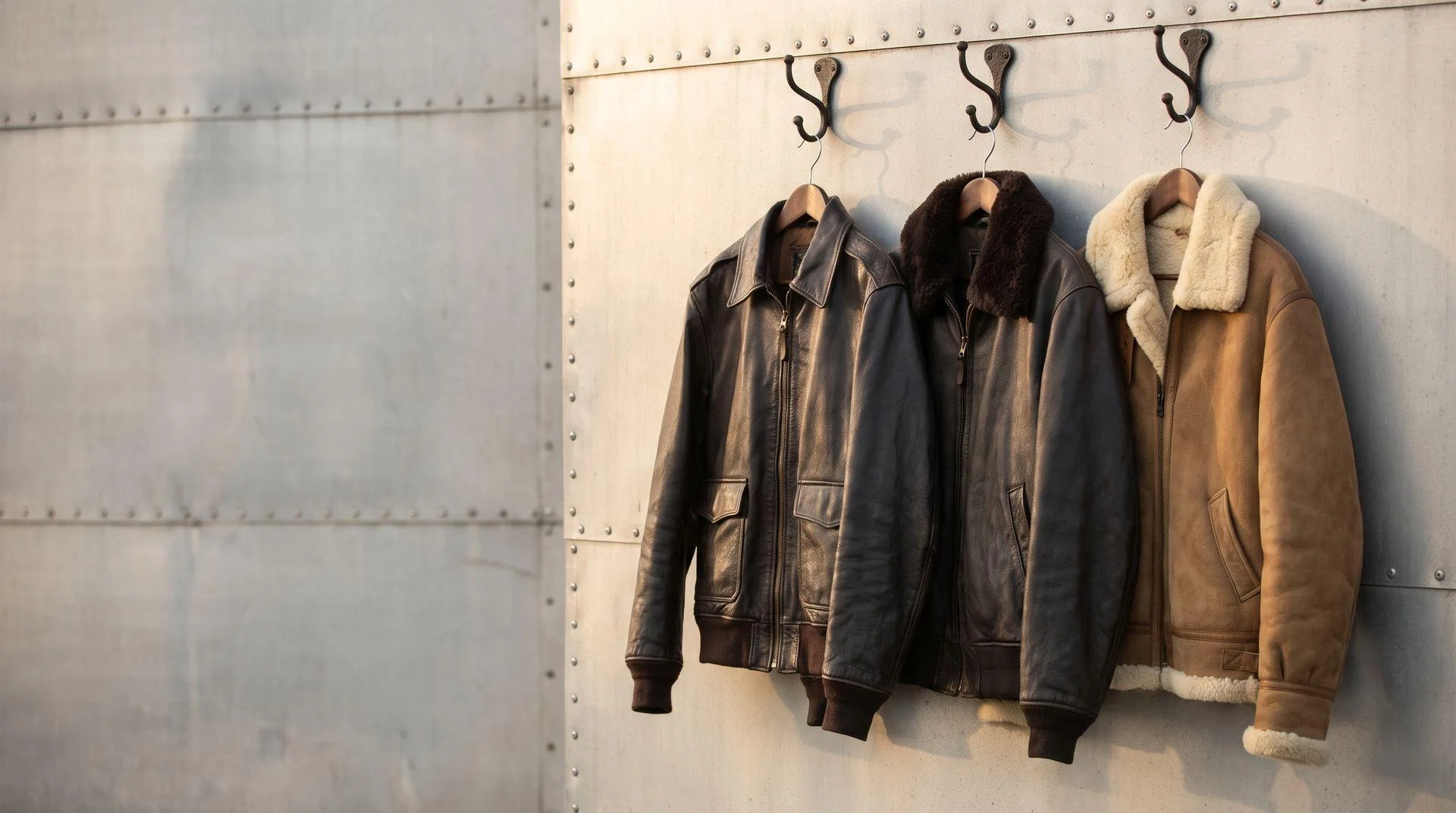
Cut on the patterns first made for open-cockpit aircrew, a leather flight jacket is built to take decades of wear. Choose the hide first, then the style.
Shop A-2 jackets Shop G-1 jacketsChoose your hide
Five leathers, five characters.
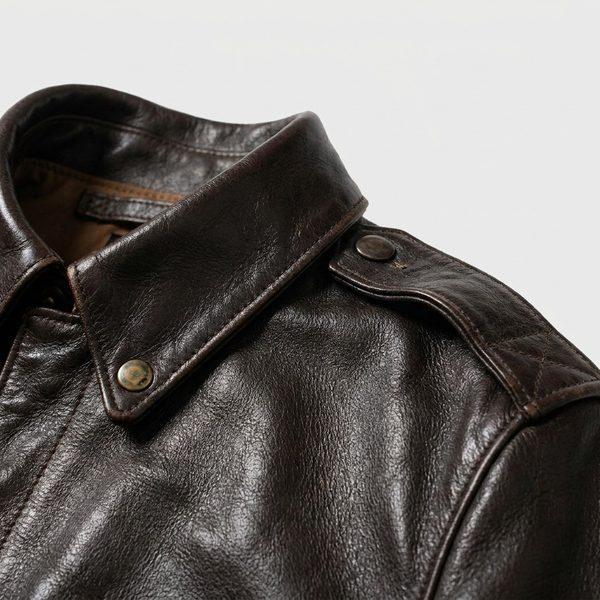
Horsehide
Heavy and dense. Creases boldly and ages into a deep patina.
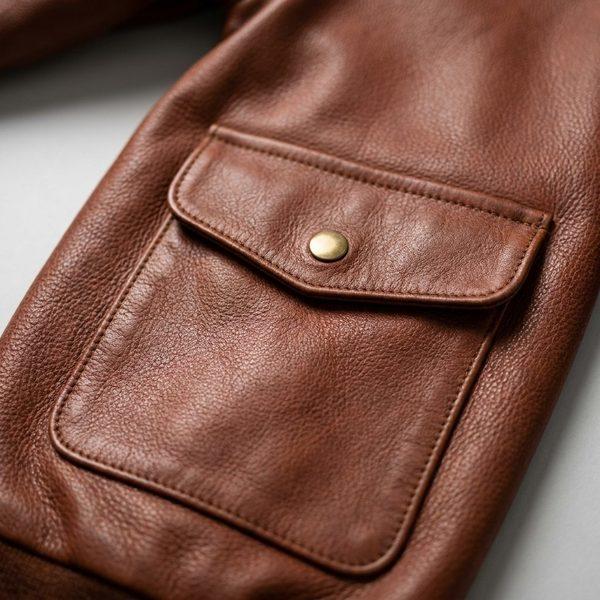
Goatskin
Light, tough and pebbled. Hides everyday marks.
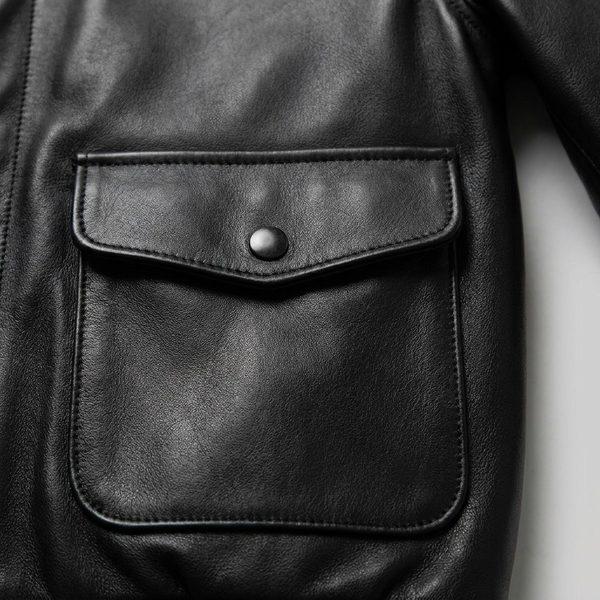
Cowhide
Even and hard-wearing. The classic motorcycle hide.
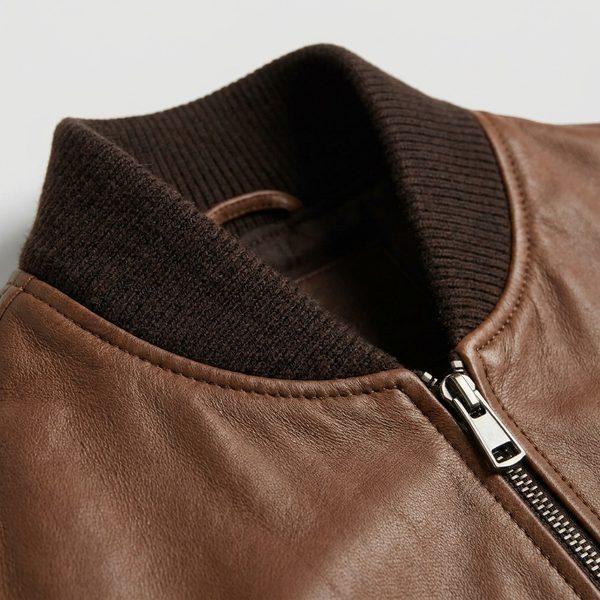
Lambskin
The softest drape and the lightest weight.
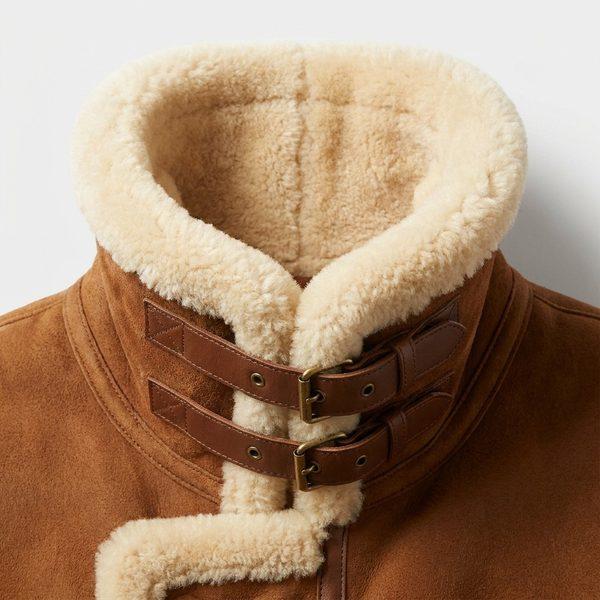
Sheepskin
Wool on the inside. Real warmth for real cold.
Shop leather jackets
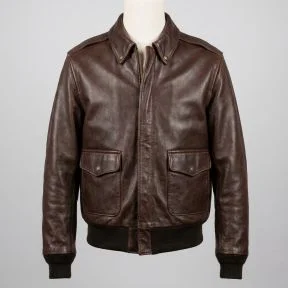
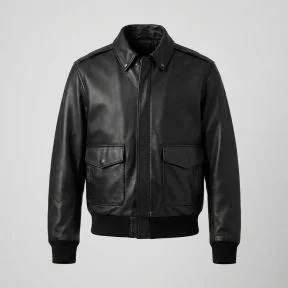
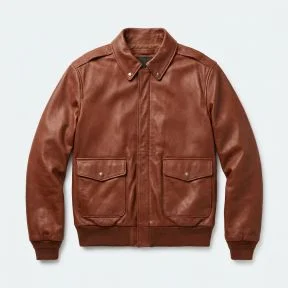
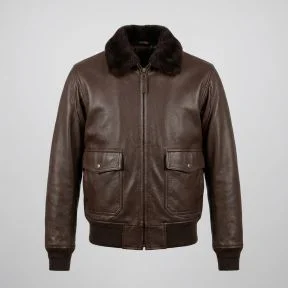
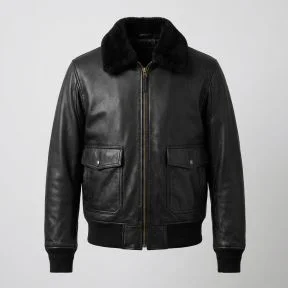
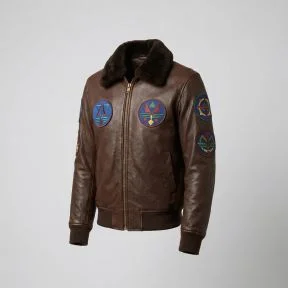
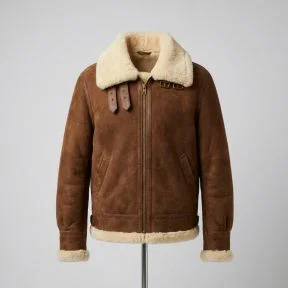
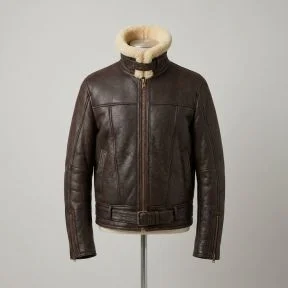
Made to order
Your leather flight jacket, made to order
Every leather flight jacket is cut and sewn after you order: in a standard size from our body-measurement chart, or made to measure from your chest, waist, shoulders, sleeve and back length. Then choose the lining, hardware and fit.
- Choose your sizeA standard size from the chart, or made to measure.
- Choose the detailsFit, lining, hardware and monogram, where offered.
- We make it for youCut and sewn after you order, then shipped.
- Standard size or made to measure
- Lining: standard or quilted winter
- Fit: slim, regular or room for layers
- Hardware: antique brass, nickel or matte black
- Monogram inside
- Rush production
- Notes for your tailor

Find your style
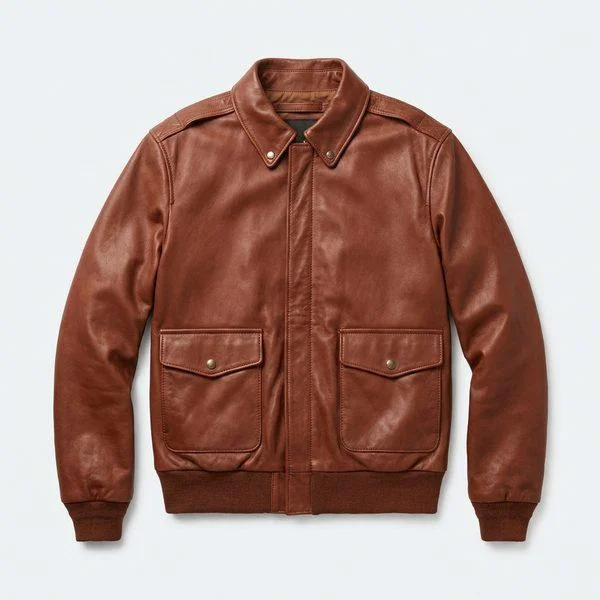
The history
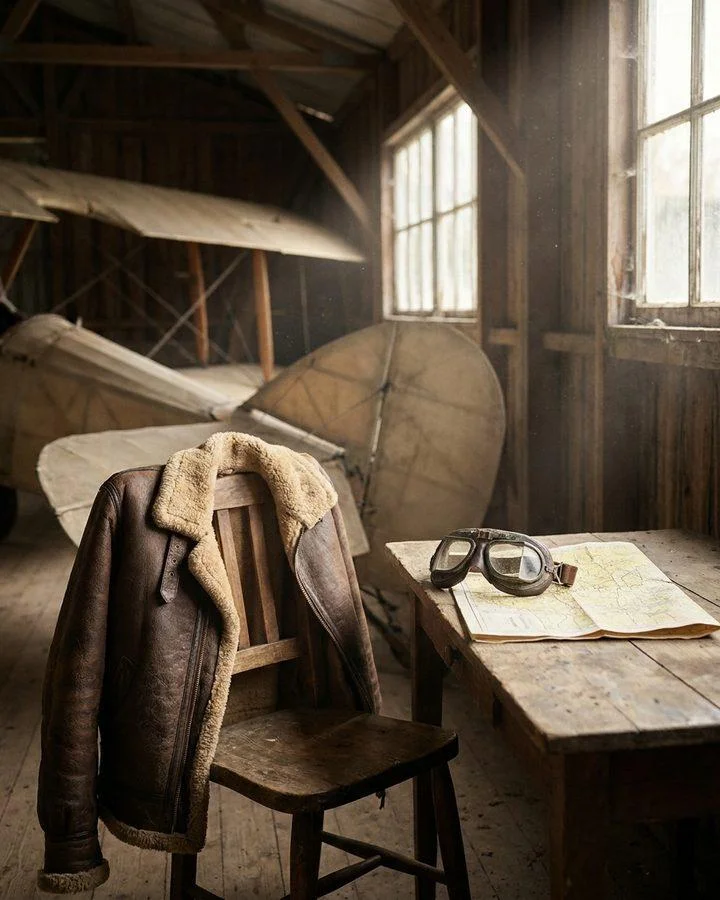
From the 1931 A-2 to the naval G-1 and the shearling B-3: each jacket was designed for a job in the air.
Read about the A-2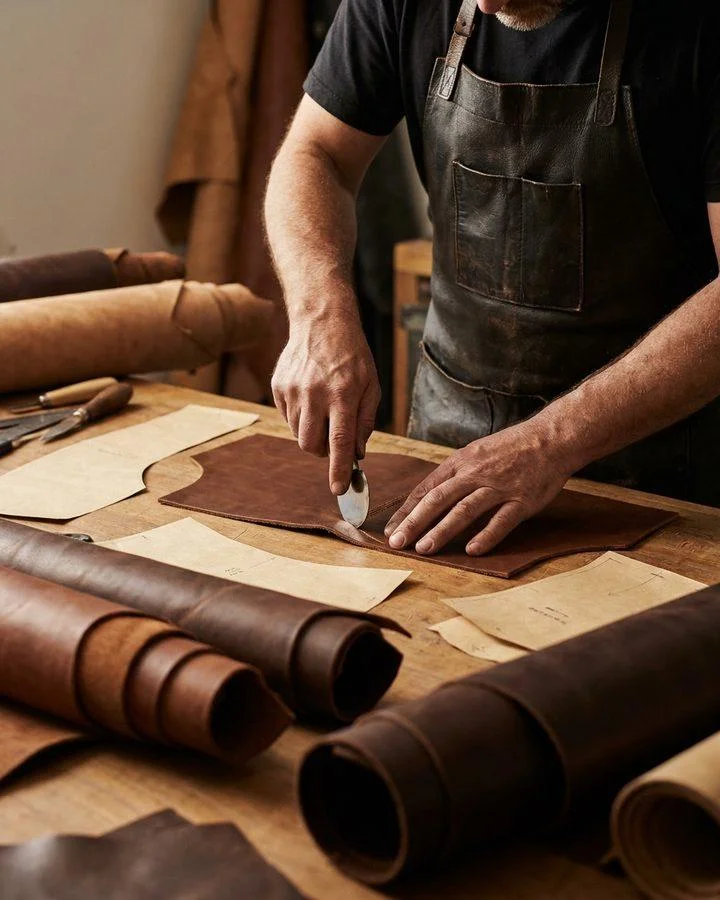
How it's made
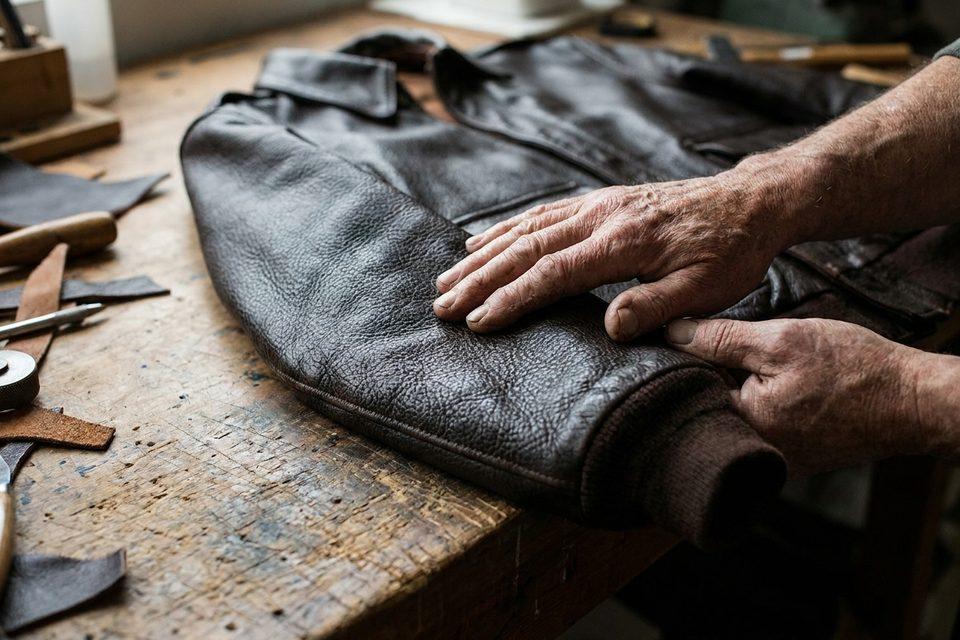
Hides are chosen, cut on paper patterns and sewn panel by panel. Every product page lists its leather, lining and hardware.
Shop leather bombers
How it's worn
Over a T-shirt in spring, with a knit in winter. A good leather jacket is the one you reach for every day.
Shop G-1 jacketsLook after your leather
Condition once or twice a year, keep it dry and hang it on a wide hanger.
Guides for this style
- What Is Full-Grain Leather? Grades Explained for Jacket Buyers
- How to Choose a Flight Jacket: A Buyer Checklist
- How Should a Leather Jacket Fit? Shoulders, Sleeves and Length
- The History of the Flight Jacket: From Open Cockpits to the Jet Age
- Horsehide vs Cowhide vs Goatskin vs Lambskin: Which Leather for a Flight Jacket?
- Real vs Fake Leather: 7 Ways to Tell Before You Buy
- Suede vs Leather: Differences, Durability and Which Jacket to Choose
- Is a Leather Jacket Warm Enough for Winter?
- Made to Measure vs Standard Size: Which Should You Order?
- How to Wear a Leather Flight Jacket Without Looking Like a Costume
- Does a Leather Jacket Shrink or Stretch Over Time?
- Leather Jacket Repairs: Zips, Linings, Cuffs and Tears
- Why Are Leather Jackets So Expensive? What You Are Paying For
- How Long Does a Leather Jacket Last?
Read the full guide
A leather flight jacket is a short, hard-wearing jacket built on patterns first cut for open-cockpit and wartime aircrew. This is where every leather style in the store lives: the A-2 and G-1, shearling B-3s, leather bombers, motorcycle jackets and varsity jackets. Start with the hide, because it decides weight, warmth and how the jacket ages. Then pick the style that fits the way you'll wear it, and order it in a standard size or made to measure for your sleeve and back length.
Era
Patterns from the 1930s and 1940s, plus later riding and campus classics.
Hides
Horsehide, goatskin, cowhide, lambskin and sheepskin shearling.
Warmth
From light shirt-collar jackets to full shearling for hard cold.
Best for
Buyers who want one good jacket that lasts for decades and looks better with wear.
Which leather is right for you?
Five hides cover almost every leather aviator jacket. Each has a clear strength and a trade-off. Tanneries and finishes vary, so use this as a starting point and read the hide details on each product page.
| Hide | Weight on the shoulders | Toughness | Grain and look | Main trade-off | Where you'll see it |
|---|---|---|---|---|---|
| Horsehide | Heavy | Very high; resists scuffs and wind | Smooth, dense, creases boldly | Stiff at first; needs weeks of wear to relax | Traditional A-2s |
| Goatskin | Light to medium | High for its weight | Pebbled grain that hides marks | Less dramatic patina than horsehide | G-1s, A-2s, everyday flight jackets |
| Cowhide | Medium to heavy | High; even thickness | Uniform, clean surface | Can feel boxy until it softens | Motorcycle jackets, bombers, A-2s |
| Lambskin | Lightest | Lower; scratches and scuffs more easily | Buttery, fine grain with soft drape | Shows wear sooner; less wind-proof | Fashion bombers, varsity sleeves |
| Sheepskin (shearling) | Heavy and bulky | Moderate; suede side marks easily | Suede or finished outer, wool inside | Too warm for mild days; needs dry storage | B-3 and shearling aviator jackets |
A simple rule: choose horsehide or cowhide if you want toughness, goatskin if you want a lighter jacket that still takes hard wear, lambskin if comfort and drape matter most, and shearling if the jacket has to keep you warm on its own.
Find your style
A-2 flight jackets
The shirt-collar jacket of the US Army Air Corps, first made in 1931 (Wikipedia). Short, close-fitting and the most versatile of the group. Shop A-2 flight jackets.
G-1 flight jackets
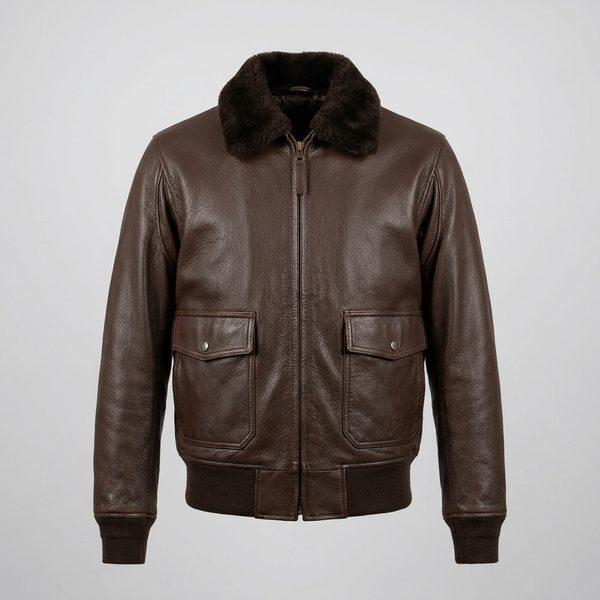
The US Navy's answer to the A-2, with a fur collar and a pleated back for reach. Its pattern began as the M-422 specification in March 1940 (Wikipedia). Shop G-1 flight jackets.
Shearling and B-3 jackets
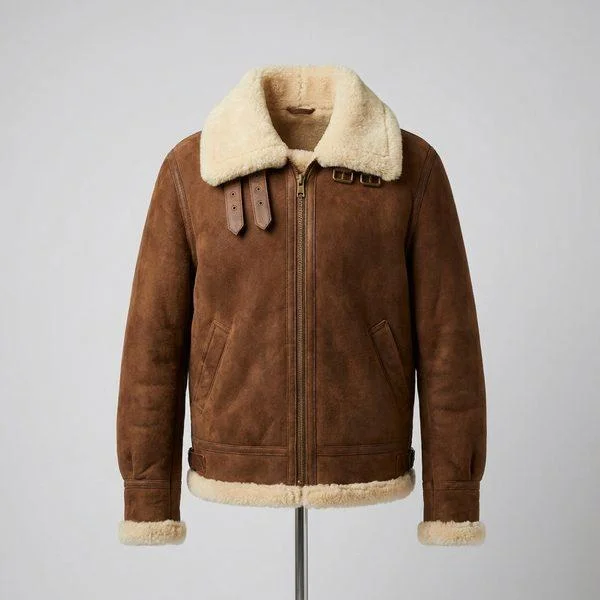
Sheepskin with the wool left on, made for unheated, high-altitude bomber cabins. The warmest leather here. Shop shearling and B-3 jackets.
Leather bomber jackets
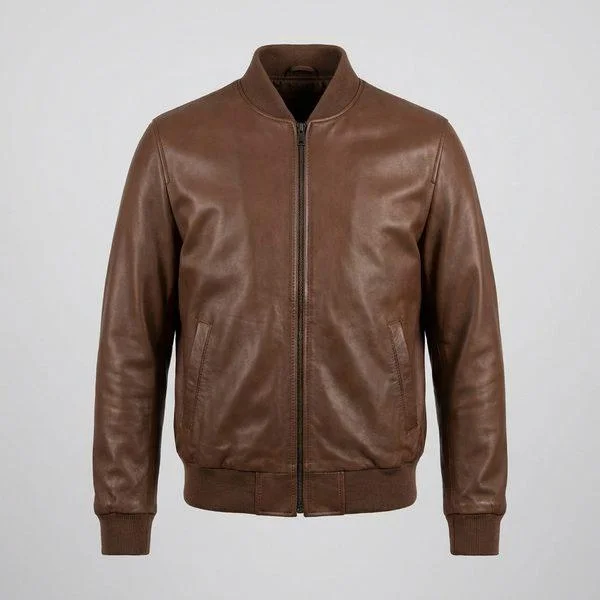
Flight-jacket lines with a looser, modern cut, in lambskin, cowhide or goatskin. Easy to wear every day. Shop leather bomber jackets.
Motorcycle and varsity jackets
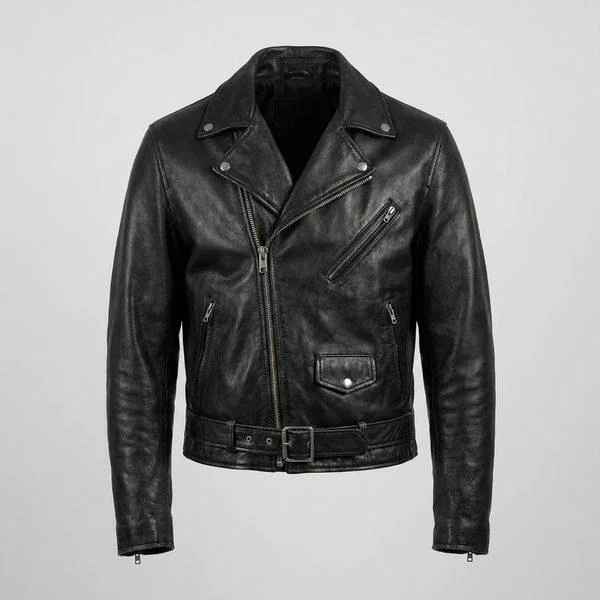
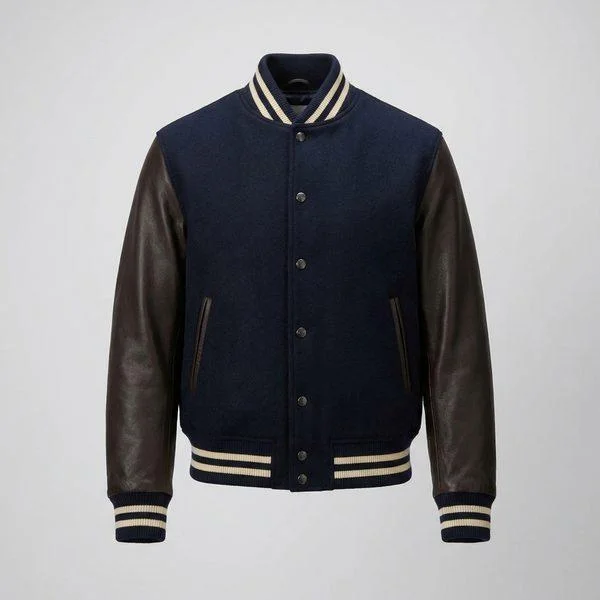
Not flight jackets, but leather classics in their own right: the asymmetric and café racer riding styles, and the wool-and-leather campus jacket. Motorcycle jackets · Varsity jackets.
WW2 flight jackets and the jackets that followed
Most of the styles people call a WW2 flight jacket came out of one problem: open or unpressurised cockpits were cold, windy and cramped. Leather blocked wind, and sheepskin trapped heat. The A-2 was the light layer, the B-3 the heavy one, and the G-1 served naval aviators. Nylon replaced leather for most air force flight jacket roles after the war, which is why the MA-1 and CWU-45/P sit in our nylon and textile and Nomex® ranges. Leather stayed with the Navy G-1 and with everyone who simply liked the look.
Our jackets follow these classic patterns. They are not issued garments. Each jacket is made to order, and its product page states the hide plus the lining and hardware options you can choose.
Fit and sizing across styles
- Short patterns (A-2, G-1) sit at the belt. Sleeves can run a little long for reach.
- Shearling is bulky inside. Size for a T-shirt or thin knit, not a heavy sweater.
- Bombers have more room through the body and are the easiest to layer.
- Standard size: measure your body and pick from the size guide. The charts are body measurements, not jacket measurements.
- Made to measure: enter your own chest, shoulder width, sleeve length and back length on the product page, and choose Slim, Regular or Room for layers. It's the best route for long arms, a long back or broad shoulders. See how made to measure works.
- Tall or broad? See Long & Tall.
Leather flight jacket FAQ
What leather were original flight jackets made of?
Early A-2s were mostly horsehide, with goatskin and cowhide added during wartime production. Naval G-1s are closely associated with goatskin. B-3s were sheepskin shearling.
Is a heavier hide always better?
No. Heavier hides resist wear and wind but take longer to break in. A light goatskin can be the better jacket if you wear it daily or live somewhere mild.
How do I care for a leather jacket?
Hang it on a broad hanger, keep it away from heat, and let it dry naturally if it gets wet. Condition smooth leather a few times a year and patch-test first. See leather care.
Do you have women's leather flight jackets?
Yes. Women's cuts have a shorter body and narrower shoulders. See women's leather jackets.