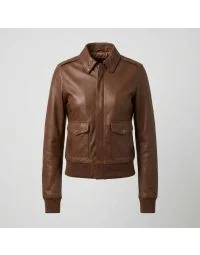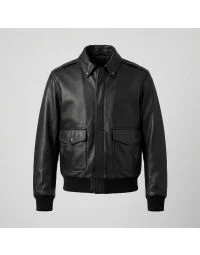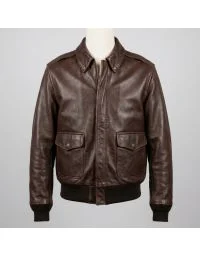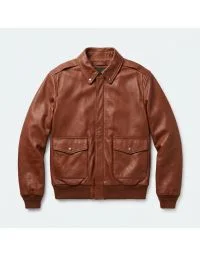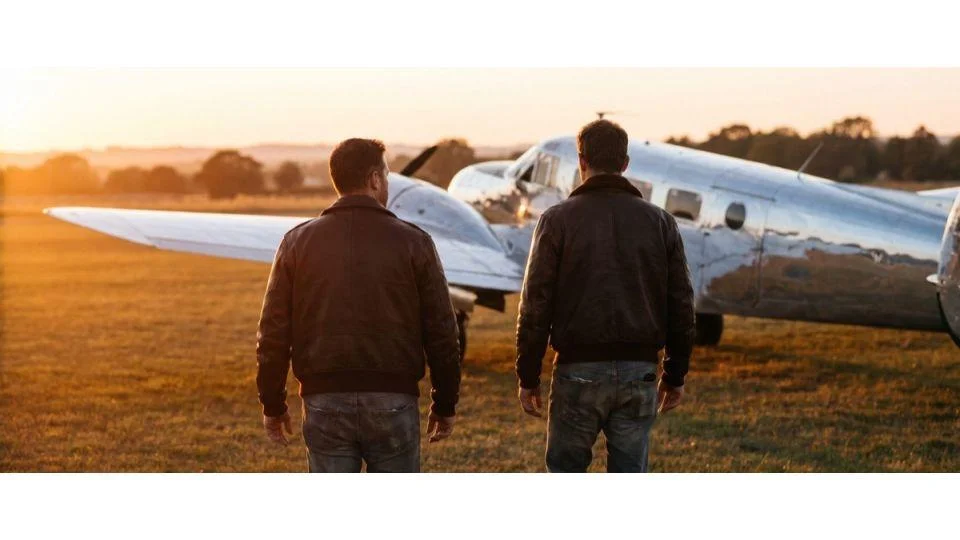
For a flight jacket you plan to wear hard for decades, horsehide is the most rugged choice, but it is stiff at first and takes months to soften. Cowhide gives similar durability with an easier break-in and wider availability. Goatskin is lighter, pebble-grained and surprisingly scuff resistant, which is why it suits everyday wear. Lambskin is the softest and drapes best from day one, but it marks and tears more easily, so it belongs on dressier jackets rather than workhorses.
The animal is only half the story. How the hide is tanned and finished, its thickness, and which cut of the hide is used can make a good cowhide outperform a poor horsehide. The comparison below assumes decent full-grain leather of each type.
The five-hide comparison matrix
This matrix covers the four leathers in the title plus deerskin, which you will meet on gloves and some lightweight jackets. Ratings are relative to each other, not absolute scores, and a given tannery can push any hide up or down a notch.
| Hide | Typical feel and weight | Break-in | Abrasion and scuffs | Patina | Historic flight-jacket use |
|---|---|---|---|---|---|
| Horsehide | Dense, firm, heavy; often glossy | Slow: weeks to months of regular wear | Highest; shrugs off rough use | Strong: creases and color changes show clearly | Original 1931 A-2 specification |
| Cowhide (steer) | Medium to heavy, even grain | Moderate | High | Good, more even than horsehide | Approved as an A-2 alternative in 1940 |
| Goatskin | Light to medium, visible pebbled grain | Quick | Good for its weight; grain hides small scuffs | Gentle, develops a soft sheen | Approved for the A-2 in 1941; long associated with the Navy G-1 and the 1980s A-2 reissue |
| Lambskin | Very light, buttery, fine grain | Almost none needed | Lowest; scratches and tears more easily | Subtle; tends to soften rather than color | Rare on flight jackets; common in fashion bombers |
| Deerskin | Light, spongy, very supple | Almost none | Moderate, stretchy | Soft, matte | Mainly gloves and liners |
Horsehide: the heavyweight
Horsehide has a tight, dense fiber structure, especially around the rump, where the very dense shell used for shell cordovan comes from. On a jacket that density means excellent resistance to scuffs and wind, and a slight sheen even on unpolished leather. It also means a jacket that can feel boxy and stiff when new.
The U.S. Army Air Corps standardized the A-2 in 1931 in chrome-tanned horsehide, and museum examples such as the Smithsonian's A-2 associated with the B-26 Flak-Bait are catalogued as seal brown horsehide. That heritage is a big part of the appeal. If you want the look of a jacket that has been through a war, horsehide gets there fastest because every crease is recorded.
Choose horsehide if you wear a jacket most days, like a firm, structured fit and do not mind a break-in period. See our A-2 flight jacket history for how the hide fits the original story.
Cowhide: the dependable all-rounder
Cowhide (usually steerhide on jackets) is the most widely produced jacket leather, so you get the widest choice of thicknesses, finishes and colors. A medium-weight cowhide gives most of the protection of horsehide with less stiffness out of the box. Its grain is more uniform, so it ages evenly rather than dramatically.
Cowhide was approved for the A-2 in 1940 as demand grew, which is a reminder that the military chose hides partly on supply, not just performance.
Choose cowhide if this is your first serious leather jacket, you want a rugged feel without a long break-in, or you need a specific color or finish.
Goatskin: light, tough and easy to live with
Goatskin is thinner than horse or cow but it has a tight surface and a natural pebbled grain. That grain is useful: small scuffs blend into the texture instead of standing out. Goatskin also breaks in quickly and moves well, which makes it comfortable for driving, travel and layering.
Goatskin was approved for the A-2 in 1941 and has a long association with naval aviation. The Navy's intermediate leather flight jacket that became known as the G-1 is usually made in goatskin, and when the Air Force reissued the A-2 from the late 1980s, the first contract called for seal-brown goatskin. Read the G-1 flight jacket history for the full Navy story.
Choose goatskin if you want a jacket that feels broken-in quickly, weighs less on long days, and still handles daily wear.
Lambskin: soft, dressy and delicate
Lambskin (sheep leather from young animals) is thin, fine-grained and very soft. It drapes close to the body, so it suits slimmer, more tailored bombers and evening wear. The trade-off is durability: it scratches, scuffs and tears more readily, and it does not like being stuffed into bags or dragged across rough surfaces.
Lambskin should not be confused with shearling. Shearling is sheepskin tanned with the wool left on, used on B-3 style jackets and collars; lambskin jacket leather has had the wool removed.
Choose lambskin if comfort and a refined look matter more than toughness, and the jacket will see moderate wear.
Buyer-profile picks
Instead of asking which hide is best, ask which hide fits your life. These picks assume full-grain leather in each case.
| If you are... | First choice | Runner-up | Why |
|---|---|---|---|
| A daily wearer who wants one jacket for decades | Horsehide | Heavy cowhide | Maximum abrasion resistance; ages with character |
| Buying your first quality leather jacket | Cowhide | Goatskin | Comfortable sooner; forgiving to care for |
| A frequent traveler or driver | Goatskin | Lambskin | Light, flexible, hides small scuffs |
| Living somewhere mild | Goatskin | Lambskin | Less weight and bulk to carry when it warms up |
| After a dressy, close-fitting look | Lambskin | Goatskin | Drape and softness from day one |
| A heritage and patina enthusiast | Horsehide | Goatskin | Closest to the original A-2 and G-1 hides |
What matters as much as the animal
- Grain grade. Full-grain keeps the strongest outer layer. Corrected or split leather from any animal will be weaker. Our guide to what full-grain leather is explains the grades.
- Thickness. A thick lambskin can outlast a thin cowhide. Ask for weight (often in ounces) or thickness (in millimeters) where a maker lists it.
- Tannage. Chrome tanning is the norm for jackets because it gives soft, water-tolerant leather. Vegetable tanning is firmer and is mostly used for belts and accessories.
- Finish. Heavily pigmented finishes hide grain and resist stains but patina less; aniline and semi-aniline finishes show more character and need more care.
- Where the panel comes from. Leather from the back and shoulders is usually more consistent than belly leather, which is looser and stretchier.
How to tell them apart in person
Look closely at the grain under good light. Goatskin shows small, pebbled ridges in irregular rows. Cowhide has a smoother, more uniform pore pattern. Horsehide often looks tight and slightly glassy, with fewer visible pores. Lambskin feels noticeably thinner and softer and its grain is very fine. A product description that names the hide is more reliable than guesswork, so read it carefully.
Frequently asked questions
Is horsehide better than cowhide?
Horsehide is usually denser and more abrasion resistant, but a quality cowhide is close behind and easier to break in. For most wearers the difference matters less than the quality of the specific hide and construction.
Is goatskin too thin for a flight jacket?
No. Goatskin was approved for the original A-2 and is long associated with the G-1. It is lighter than cowhide yet holds up well to daily wear thanks to its tight grain.
Does lambskin last?
It can last many years with careful use and conditioning, but it scuffs and tears more easily than the other three. Treat it as a dress jacket rather than a work jacket.
Which leather is warmest?
Leather itself blocks wind well, but warmth depends more on lining and fit than on the animal. A heavier hide feels more substantial; it does not insulate dramatically more. This is guidance, not a rating.
Ready to compare styles? Browse all leather jackets, look at A-2 flight jackets and G-1 flight jackets for heritage patterns, or leather bomber jackets for softer, lighter options. Each product page lists the hide used.
Sources
Hide definitions from Encyclopaedia Britannica: hide. A-2 adoption date and approved hides (horsehide 1931, cowhide 1940, goatskin 1941, goatskin reissue from 1987) from A-2 jacket (Wikipedia). Museum example from the Smithsonian National Air and Space Museum: Jacket, Flying, Type A-2, Flak-Bait.