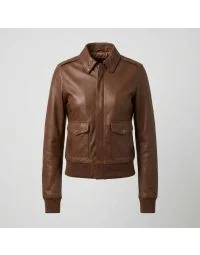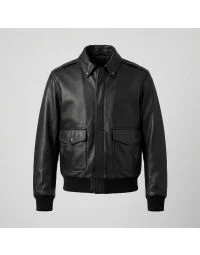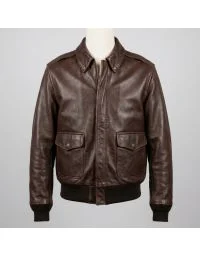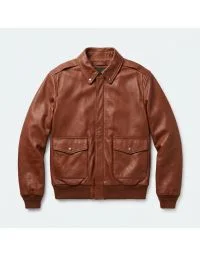
A blood chit is a notice carried by military aircrew that asks local people to help them if they are shot down or forced to land in unfamiliar territory. It typically shows the flyer's national flag and a short message, in one or more local languages, explaining who the bearer is and asking for food, shelter and safe passage, often with a promise of reward. The best-known examples are the silk chits of the American Volunteer Group, the Flying Tigers, sewn onto the backs of their leather flight jackets in China.
Chits are still part of escape and evasion planning today, but for most people the term means that small flag-and-characters panel on a vintage-style A-2.
A short history of the blood chit
The idea is older than the airplane. In 1793 the French balloonist Jean-Pierre Blanchard made the first balloon flight in America, carrying a letter from President George Washington asking anyone he met to help him on his way. It was not called a chit, but the purpose was the same: a note from an authority vouching for a stranger who arrived from the sky.
China-Burma-India theatre researchers trace the first recorded military use to a British Royal Flying Corps squadron in India in 1917. The form most people recognise came in 1941, when the American Volunteer Group flew for China against Japan. Each AVG pilot was issued a silk chit printed with the Nationalist Chinese flag and a message in Chinese. The Smithsonian's National Air and Space Museum holds the chit that belonged to the group's commander, Claire Chennault.
Later in the Second World War, the US War Department and the British issued their own chits across Asia, and many more were made locally. Chits were used again in Korea and Vietnam, typically with an American flag and a message in several languages. The US Department of Defense still maintains a blood chit program for aircrew.
The origin of the name is unclear. It is usually linked to the danger the bearer was in, and "chit" is an old word for a short note or voucher.
What a blood chit says
Wording varied by theatre, issuer and printing, and translations differ between sources. Most chits combine the same building blocks.
| Element | What it shows | Why it mattered |
|---|---|---|
| Flag | The bearer's nation, or an ally's, at the top | Instant identification for people who could not read the text |
| Main message | Says the bearer is a foreigner, or an American airman, helping in the war | Separated the flyer from the enemy in the eyes of locals |
| Request | Asks for rescue, protection, food, medical care and guidance to friendly forces | Turned a stranger into someone to help |
| Reward | Promises payment or compensation for help given | Gave a practical reason to take the risk |
| Languages | One language early on; later chits carried many | Flyers could cross several language regions on one route |
| Serial number and stamp | Official chits were numbered and bore an issuing seal | Let authorities match a claim to a flyer and pay the reward |
The first Chinese printing for the AVG reportedly asked soldiers and civilians to rescue and protect a "foreign person" who had come to help China. A later printing added that he was American. A common problem in retail copy is attaching later English-language texts, such as "I am an American airman" versions, to the Flying Tigers chit. Those belong to different chits.
How chits were carried
| Method | When it was used | Trade-off |
|---|---|---|
| Sewn on the back of the flight jacket | Early AVG practice in China | Visible from a distance, but impossible to hide if it would endanger the wearer |
| Sewn inside the jacket lining | Later AVG and CBI practice | Hidden until needed; sewn on three sides, it doubled as a map pocket |
| Carried in a pocket or survival kit | Common with printed cloth and paper chits | Easy to issue and update, but easier to lose |
Visible chits became a risk in areas where foreign flyers were not welcome, which is why many crews moved them inside. Historians also describe reward chits being torn in half when a claim was paid, one half for the helper and one for the flyer, so the same chit could not be claimed twice.
That jacket connection is why the chit is so tied to the A-2. Our A-2 flight jacket history covers the jacket itself.
Collector caution: originals vs reproductions
Reproduction chits are everywhere, and many are sold honestly as decoration. Problems arise when a reproduction is presented as original. Wartime local copies add another layer: artisans in China, Burma and India made unofficial chits in paper, cotton, silk, rayon and leather, with variable text and no official numbering.
- Be wary of a perfect story. A named pilot and a dramatic history add value only when backed by documents.
- Check the serial and seal. Official AVG and later issued chits had serial numbers and an issuing stamp. Their absence does not prove a fake, since local copies were common, but it changes what you are buying.
- Look at the material and printing. Modern printing on new, even silk looks very different from aged fabric with period ink.
- Get a second opinion. Specialist militaria dealers, collector forums and museum curators can help, but no online listing replaces handling the piece.
- Buy reproductions as reproductions. If you want the look, a clearly labelled reproduction or licensed design is the honest choice and costs far less.
Adding a chit-style panel to a jacket today
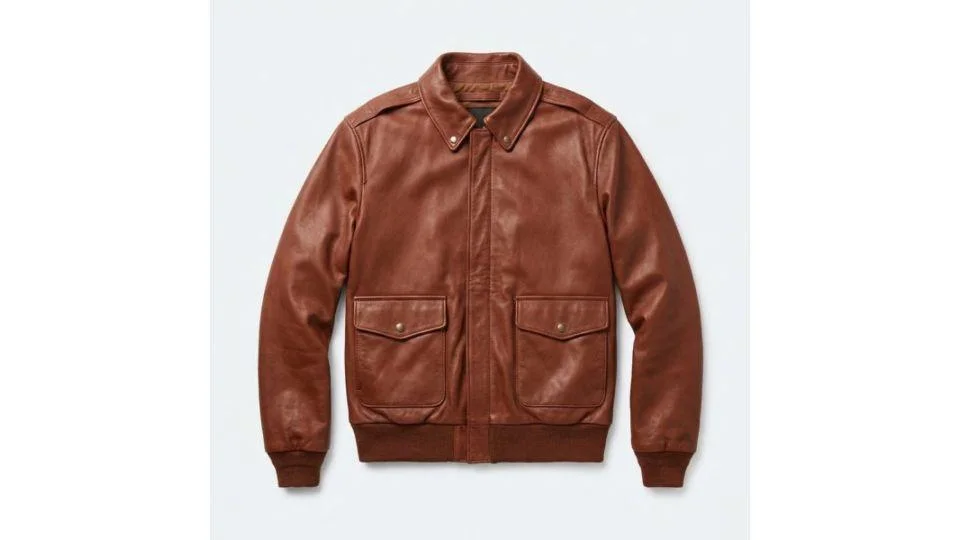
Many people add a reproduction chit to the back or lining of a leather flight jacket as a tribute. Sewing it inside the lining keeps it discreet and avoids extra needle holes in the leather. Our flight jacket patches guide explains how to attach patches to leather safely. Browse our A-2 flight jackets, inspired by the original pattern, and our patches and pins for heritage-style designs.
Blood chit FAQ
Do pilots still carry blood chits?
Yes. The US Department of Defense maintains a blood chit program, and modern chits form part of aircrew escape and evasion material.
Why is a blood chit sometimes worn on the back?
The early Flying Tigers wore theirs on the back of their jackets so people on the ground could identify them before they spoke. Later many were moved inside.
Is it disrespectful to wear a reproduction chit?
Opinions differ. Most collectors see a clearly labelled reproduction worn with respect as a tribute. Avoid presenting it as an original or implying service you did not perform.
Sources
History and details were checked against the Smithsonian National Air and Space Museum: Chennault's blood chit and CBI Theater: Blood Chits of the China-Burma-India Theater.