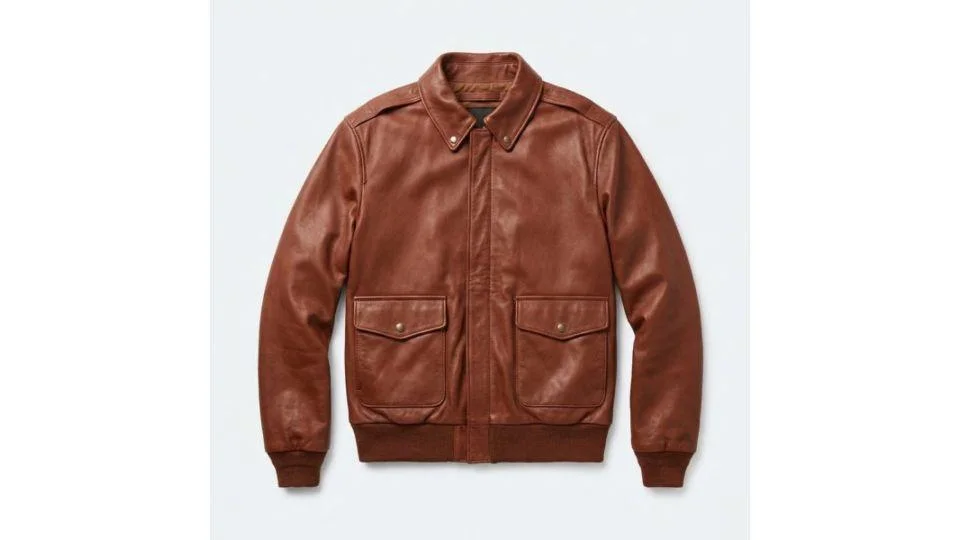
November 5, 2026
Suede vs Leather: Differences, Durability and Which Jacket to Choose
Suede is real leather, just a different side of the hide with very different strengths. Compare weather, durability, care and ageing before you choose a jacket.
Leather grades, hides and how to judge quality before you buy a leather jacket.
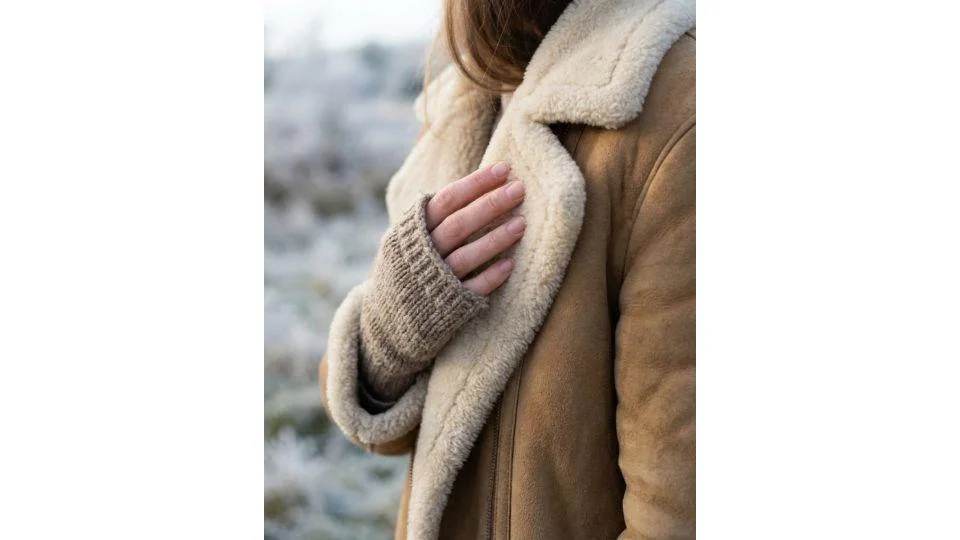
Suede is real leather, just a different side of the hide with very different strengths. Compare weather, durability, care and ageing before you choose a jacket.
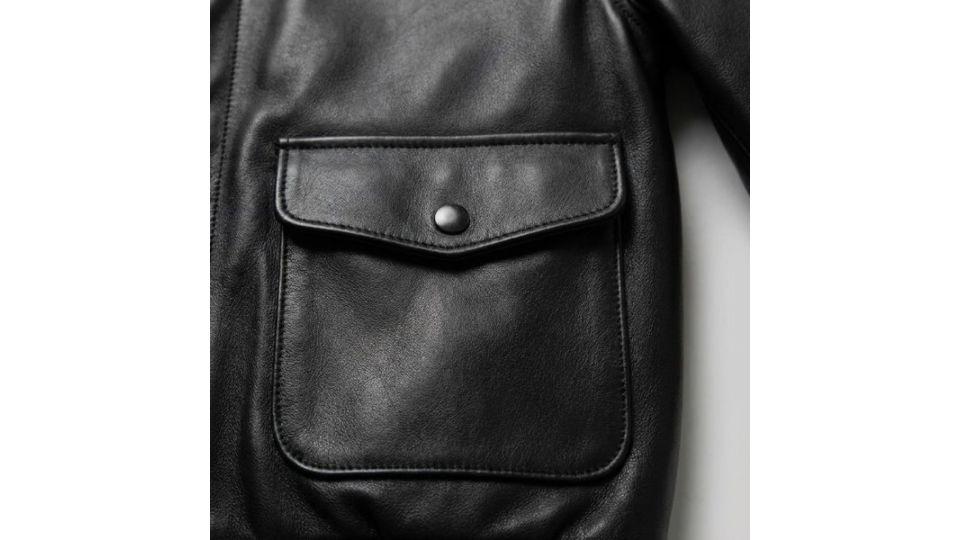
No single test proves a jacket is real leather, but seven quick checks together get you close. Here is what each one proves, what it does not, and which popular tests to skip.
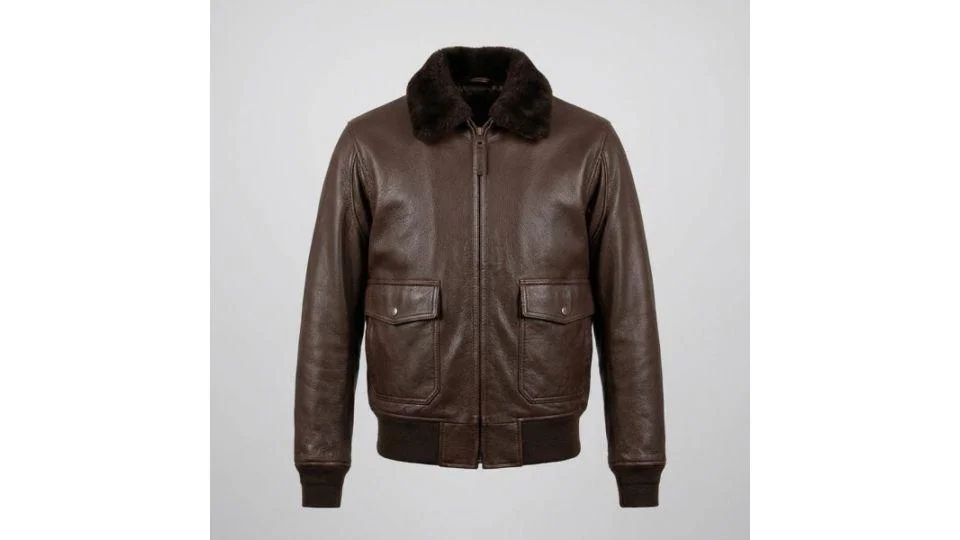
With good construction and basic care, a full-grain leather jacket can last for decades, and museum pieces from the 1940s still survive. The leather is rarely what fails first: zips, knit cuffs, linings and stitching usually go long before the hide.
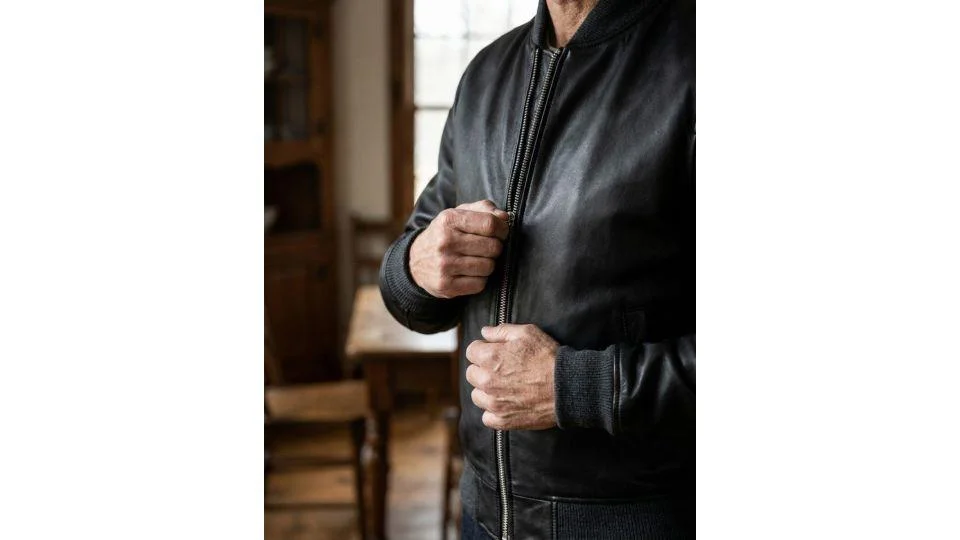
A good leather jacket is expensive because most of each hide is wasted in cutting, leather is slow to sew, and quality hardware and linings add up. Here is a component-by-component look at the costs and the red flags at each price level.
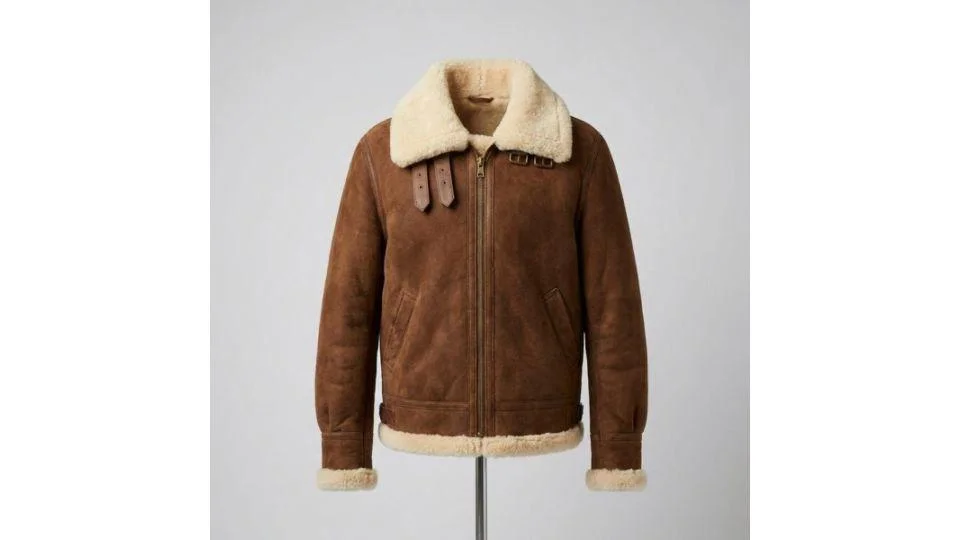
Sheepskin, shearling, mouton, sherpa: the labels overlap and get misused. Here is what each term means and a hands-on check for real versus faux.
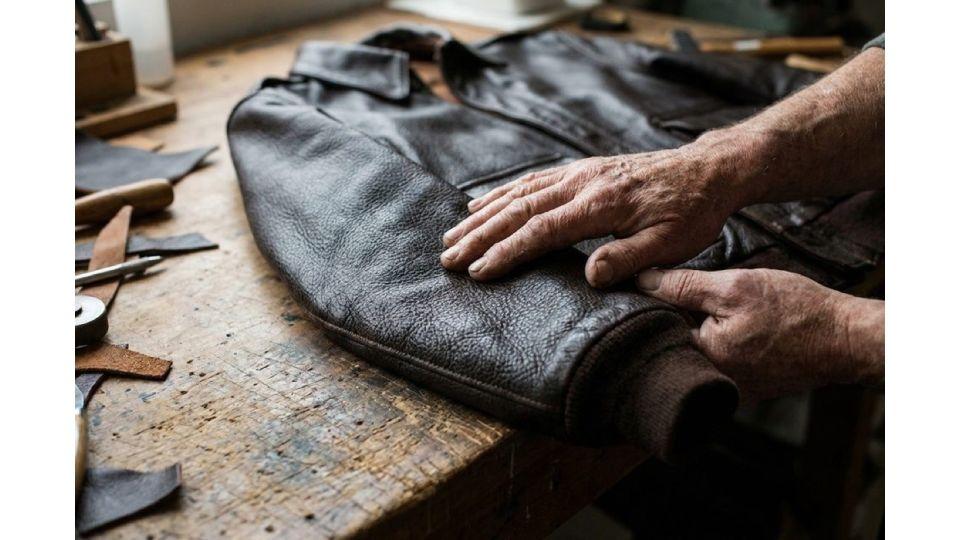
Full-grain, top-grain, corrected, split, genuine, bonded: the words on a jacket label mean more than you think. This grade ladder shows what each one is and how it looks and ages in a jacket.
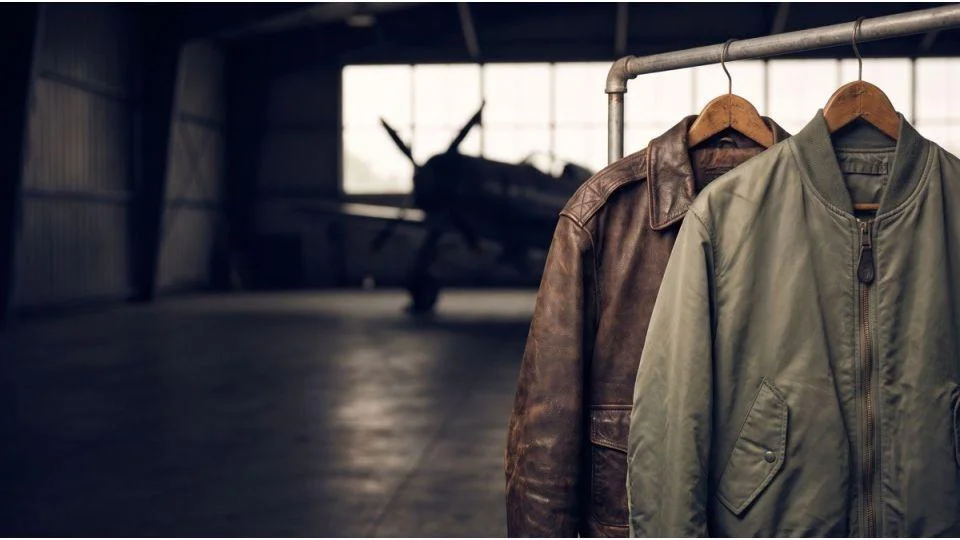
The best flight jacket is the one that matches your winters, your wardrobe and how often you will wear it. Use our chooser matrix to narrow seven classic patterns to one or two, then run the 12-point quality checklist before you buy.

Horsehide is the toughest and slowest to break in, cowhide is the dependable all-rounder, goatskin is light and scuff resistant, and lambskin is the softest but least rugged. Here is how to match the hide to the way you will wear the jacket.