Leather jackets cost more than most outerwear because the raw material is costly and unpredictable, a large share of every hide is lost when panels are cut around flaws, and leather cannot be sewn as fast or as forgivingly as fabric. A well-made jacket then adds heavy zippers, snaps, a proper lining and many hours of skilled work. When a leather jacket is cheap, at least one of those costs has usually been cut.
The useful question is not whether leather jackets are expensive, but whether a specific jacket's price matches what went into it. The breakdown below shows where the money goes so you can judge that for yourself.
Where the money goes: a component-by-component breakdown
Exact shares vary by maker, country and volume, so this table describes what drives each cost rather than inventing precise percentages.
| Component | What drives the cost up | Where makers save money | What you notice as the wearer |
|---|---|---|---|
| The hide | Full-grain, thicker, fewer scars, better tannery | Split or corrected grain, thin leather, heavy coating | How the jacket ages, resists scuffs and feels after years |
| Cutting yield | Panels cut only from clean, consistent areas; matching grain across the jacket | Using belly leather, cutting through flaws, more seams to use small scraps | Even color and stretch; no baggy or thin patches |
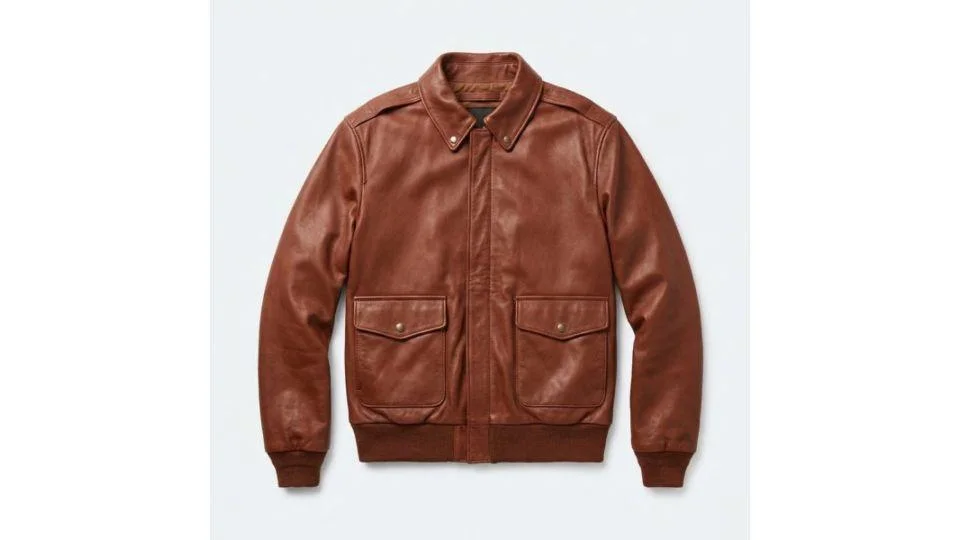
| Hardware | Heavy metal zippers, solid snaps, quality pocket closures | Light coil zips, plated alloy snaps | Zips that do not split; snaps that stay put |
| Lining and interior | Durable cotton or quilted linings, reinforced pockets, finished seams | Thin polyester, glued or unfinished seams | Comfort, warmth and whether the lining tears first |
| Labor | Skilled cutting and sewing, slower stitch rates, hand finishing | Fewer operations, faster and looser stitching | Straight seams, clean edges, secure stress points |
| Pattern and grading | A tested pattern graded properly across sizes | One pattern scaled crudely | Shoulders and sleeves that fit in every size |
Why the hide itself is the biggest variable
A hide is a natural product. Each one has scars, insect bites, brand marks, stretch marks and areas of looser fiber, especially at the belly. Tanning also takes time: Britannica describes modern leather making as three phases (preparation, tanning and finishing), and vegetable tanning in particular can take weeks or months. Chrome tanning is faster, but good chrome-tanned jacket leather still goes through many controlled steps before it reaches a cutting table.
The top grade of leather is full-grain, which keeps the strongest outer surface intact. Lower grades are buffed, embossed with an artificial grain, or split from the inner layer. Those can look similar on a screen but behave very differently after a few years. Our explainer on what full-grain leather is covers the grades in detail.
The hidden cost: cutting yield
Fabric arrives as a uniform roll. Leather arrives as irregular shapes with flaws scattered across them. A cutter has to place every panel (backs, fronts, sleeves, collar, pocket flaps) on sound leather, often matching grain direction so that the left and right fronts stretch the same way. Everything left over between those panels is waste or goes to small parts.
That is why a full-size jacket needs several goatskins or more than one cowhide side, and why one-piece backs cost more than pieced backs: a large, flawless section of hide is rare. When you see a jacket with an unusual number of seams on the back or sleeves, it may be a design choice, or it may be a way of using smaller, cheaper pieces.
Why leather is slow to sew
Every needle hole in leather is permanent, so mistakes cannot simply be unpicked and re-sewn in the same line. Thick seams need heavy machines and careful feeding to stay straight. Stress points such as pocket corners, zip ends and underarms need reinforcement. All of that slows production compared with sewing nylon or cotton, and labor is a large share of the price of a well-made jacket.
Price-tier red flags
You do not need to know a jacket's price to use this list. Match what you see against what the seller is claiming.
| Tier | What is reasonable to expect | Red flags |
|---|---|---|
| Budget | Genuine leather of modest grade; simpler linings; lighter hardware | "Genuine leather" with no hide named; plastic-feeling surface; strong chemical smell; zips that catch from new |
| Mid-range | Named hide, full-grain or top-grain; metal hardware; lined pockets | Claims of "premium" with no hide type, thickness or finish stated; glued rather than stitched edges at stress points |
| Premium and heritage | Full-grain named hide, tested pattern, heavy hardware, detailed construction notes | Heritage language without specifics; vague country or tannery claims; no care guidance |
A cost-per-wear example
Cost per wear is a simple way to compare a cheap jacket with a better one. The figures below are hypothetical, chosen only to show the math; they are not prices from our store.
- Jacket A: costs 150 dollars, worn 60 days a year, lasts 3 years. That is 180 wears, or about 83 cents per wear.
- Jacket B: costs 500 dollars, worn 60 days a year, lasts 15 years. That is 900 wears, or about 56 cents per wear.
The better jacket only wins if it really lasts and you really wear it. If you would wear a leather jacket a handful of times a year, a simpler option may be the sensible choice. Our guide to how long a leather jacket lasts explains which parts wear out first and how care changes the numbers.
Is a leather jacket worth it?
A leather jacket is worth the price when three things line up: you will wear it often, the fit is right in the shoulders and sleeves, and the construction matches the claims. If you are unsure which style suits your climate and wardrobe, start with our checklist on how to choose a flight jacket.
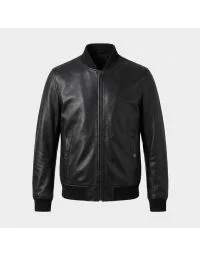
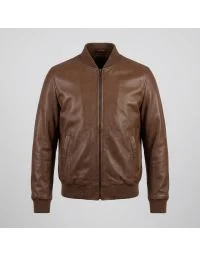
When you compare jackets, read the product page for the hide, finish, lining and hardware rather than relying on the headline. You can browse our leather jackets or narrow it to leather bomber jackets and compare those details side by side.
Frequently asked questions
Why do some leather jackets cost several times more than others that look similar?
The differences are often invisible in photos: hide grade, thickness, cutting yield, hardware weight and stitch quality. These show up after a year or two of wear rather than on day one.
Is "genuine leather" a quality grade?
It means the product contains real leather, but it says nothing about grade. Look for the hide type and whether it is full-grain or top-grain.
Do made-to-order jackets cost more?
Usually, because each one is cut and sewn individually rather than in batches. Every jacket in our store is made to order in your chosen size and options; the product page shows what each style offers.
Sources
Leather-making phases and tanning times from Encyclopaedia Britannica: leather. Hide and skin terminology from Encyclopaedia Britannica: hide.