Suede is real leather, but it comes from the inner, flesh side of the hide (or a split layer) and is buffed into a soft, velvety nap. Smooth leather keeps the tough outer grain surface. That one difference decides almost everything: smooth leather is more durable, more water-resistant and easier to clean, while suede is softer, lighter, less shiny and dressier but marks and stains more easily. For an everyday jacket you will wear in mixed weather, smooth leather is the safer choice. For a dry-climate or occasion jacket, suede is a great one.
Where suede and leather come from in the hide
A hide has an outer grain layer, with the tight, strong fibres and the natural surface pattern, and a looser corium layer beneath. Tanneries can use the hide in a few ways:
- Full-grain leather keeps the entire grain surface intact. It is the strongest and ages best. Our guide on what full-grain leather is explains the grades.
- Top-grain leather has the grain lightly corrected or sanded, then finished.
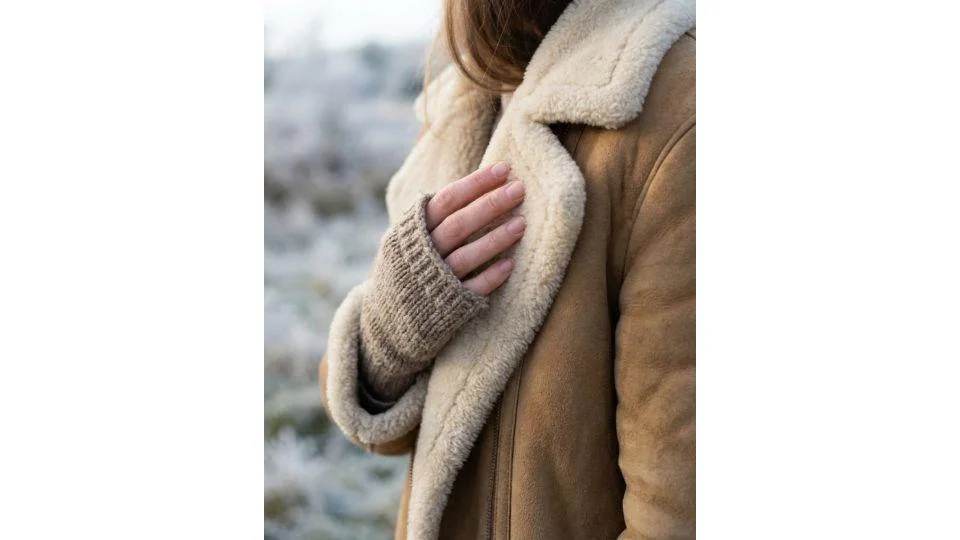
- Suede is made from the flesh side, or from a split layer separated from the grain, and buffed into a nap. Splits can be velvety on both faces.
- Nubuck is the grain side lightly sanded to a fine nap. It looks like suede but keeps the grain's strength, so it is tougher and has a finer, shorter pile.
Fabric made to look like suede, often called microsuede or faux suede, is a synthetic. US leather labelling guides from the FTC say material that looks like leather but is not should be disclosed as non-leather, so check the label if the price seems too good.
Suede vs leather side by side
| Factor | Smooth leather | Suede |
|---|---|---|
| Rain and snow | Handles showers if dried properly; finished leathers shed light rain | Absorbs water quickly; spots, rings and stiffening are common without protector spray |
| Abrasion and tears | High, especially full-grain hides | Lower; the nap wears flat and splits are thinner |
| Stains | Most wipe off the surface | Oil, wine and ink soak in fast |
| Care effort | Wipe, occasional clean and condition | Regular brushing, erasing, protector spray; no creams |
| Weight and drape | Heavier and more structured | Lighter and softer; drapes like heavy cloth |
| Formality | Ranges from rugged to sleek | Reads softer and dressier; pairs well with tailoring |
| Warmth | Blocks wind well | Slightly less wind-proof on its own; shearling-lined suede is very warm |
| Ageing | Develops patina: gloss, creases, color depth | Softens and fades; nap can go shiny at cuffs and pockets |
When not to choose suede
Suede is a beautiful material, but be honest about how you will use the jacket. Skip suede, or keep it as a second jacket, if:
- You commute on foot or by bike in a wet climate. Repeated soakings take a toll even with protector spray.
- It will be your only jacket. Daily wear burnishes cuffs, pocket edges and the spot where a bag strap sits.
- You ride a motorcycle. Fashion suede and fashion leather alike are not certified riding protection, and suede is the weaker of the two.
- You eat on the go or carry pens loose. Grease and ink are the hardest stains to lift from suede.
- You do not want a care routine. Suede asks for brushing and spraying; smooth leather mostly asks to be worn.
Choose suede when the jacket will see mostly dry days, when you want a softer, lighter piece, or when you want a jacket that dresses up with trousers and knitwear.
Suede you might already own: the shearling jacket
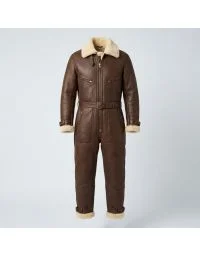
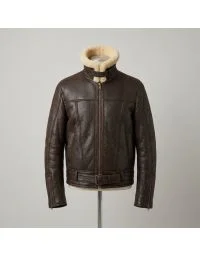
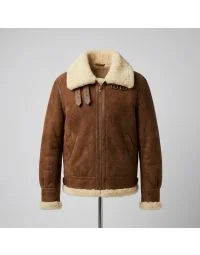
Many people own suede without thinking of it that way. Most shearling jackets wear the suede side of the sheepskin outward with the wool inside. That suede face is protected by the warmth and bulk of the fleece but still needs suede care. Classic flying styles such as our shearling B-3 jackets show it at its most practical, and some versions use a smooth or waxed face instead for better weather resistance. Ask which face a jacket has before you buy if rain is a concern.
Care differences in brief
Smooth leather: wipe with a damp cloth, use a leather cleaner occasionally, and condition once or twice a year. Suede: brush after wear, erase marks dry, lift grease with cornstarch, and use a suede protector. Never use leather cream on suede; it flattens and darkens the nap. Our full guide on how to clean a suede jacket has a stain-by-stain table and a fix for water marks.
Quick decision guide
| If you want... | Choose |
|---|---|
| One jacket for every season and weather | Smooth leather |
| A jacket that looks better with years of wear | Full-grain smooth leather |
| A soft, light jacket for dry autumn days | Suede |
| A dressier jacket over knitwear and trousers | Suede |
| The suede look with more toughness | Nubuck |
| Serious cold-weather warmth | Shearling (suede or smooth face) |
You can compare both finishes across our leather jackets collection.
FAQ
Is suede real leather?
Yes. Suede is leather made from the flesh side or a split of the hide. Faux suede and microsuede are synthetics.
Is suede more expensive than leather?
Not necessarily. Price depends on the hide, tannery and construction more than on suede versus smooth finish.
Suede vs nubuck: which is better?
Nubuck is tougher because it is made from the grain side, and it has a finer nap. Suede is usually softer and more relaxed. Both need similar dry care.
Can suede get wet?
It can survive getting wet, but it marks easily. Blot, let it dry naturally and brush it once dry. A protector spray helps.
Sources
How suede, splits and nubuck are made: Collonil: The difference between nubuck and velours. Disclosure of non-leather materials that look like leather: FTC Guides for Select Leather and Imitation Leather Products (16 CFR Part 24).