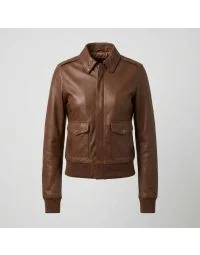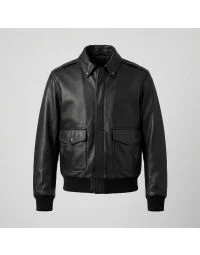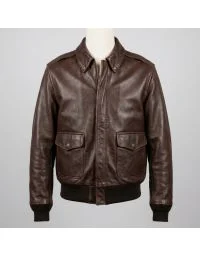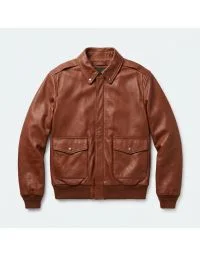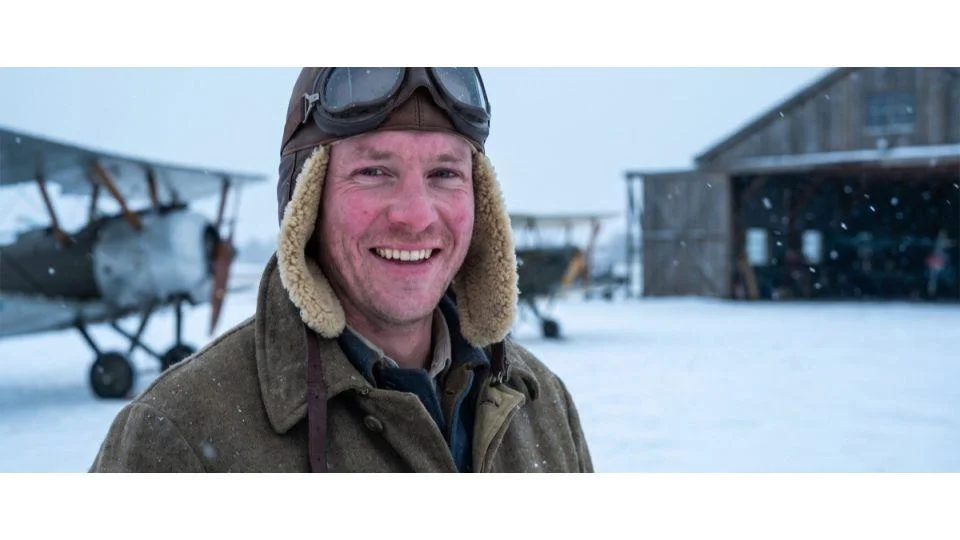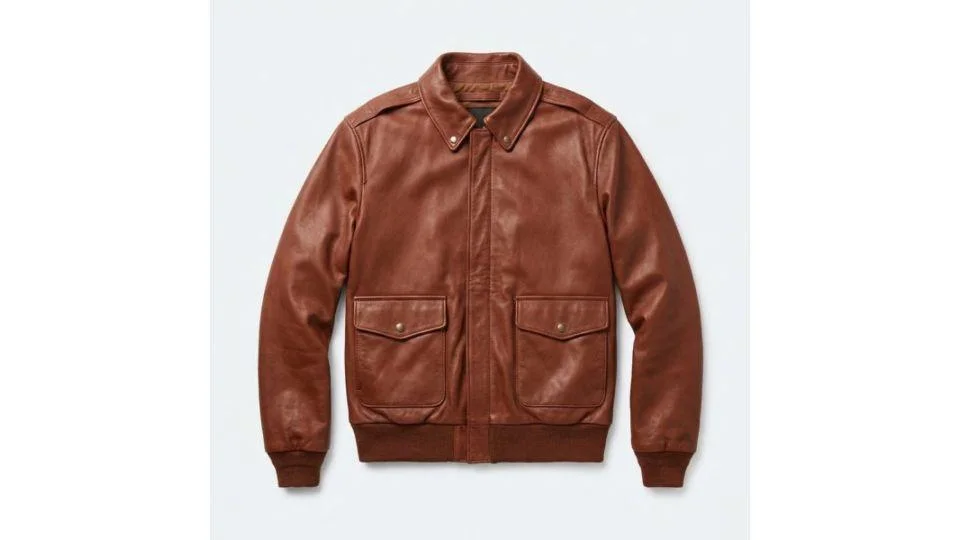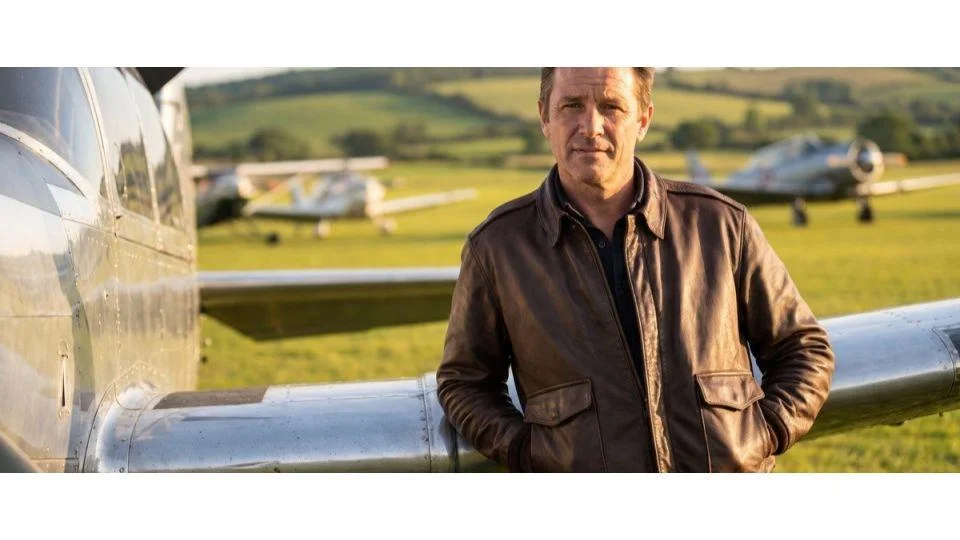
The A-2 is the US Army Air Corps leather flight jacket approved for production on May 9, 1931: waist length, seal-brown horsehide, a zip front, a leather shirt collar, shoulder straps, two snap-flap patch pockets and knit wool cuffs and waistband. It became the defining jacket of American airmen in World War II and is still worn by US Air Force aircrew. Because the pattern is so simple, the quality of a reproduction lives in a handful of details, which the checklist below covers.
A short history of the A-2
1930–1931: a better summer jacket
The Air Corps already had a short leather jacket, the A-1, but it buttoned up the front and had a knit collar. In 1930 a new specification was drawn up, a test jacket was worn in September 1930, and production was approved on May 9, 1931. According to Air Force Magazine, the specification called for horsehide leather with a spun silk lining. The Smithsonian's National Air and Space Museum summarizes the key changes: a zipper in place of buttons and a leather drop collar in place of the knit one.
Officially it was a summer flying jacket, meant for mild conditions rather than cold altitude. That modest role is why the A-2 is relatively light and why it works so well as everyday wear today.
World War II: a canvas for crews
Thousands were made by many contractors early in the war, so details such as collar shape, pocket flaps and leather color vary between makers. Silk linings gave way to cotton and rayon, and some wartime jackets were made from goatskin rather than horsehide. Crews painted the backs with aircraft names, nose art and mission tallies, and sewed on squadron patches. Some airmen also carried a blood chit, a printed notice asking civilians to help a downed flyer, and stitched it inside or onto their jacket; our guide to blood chits explains them.
In 1942 Gen. Henry H. Arnold cancelled the A-2 order in favor of fabric jackets such as the B-10, but existing stocks remained in use well into the Korean War era.
1988: the A-2 returns
After decades out of issue, the jacket was revived for Air Force aircrew in the late 1980s. Air Force Magazine reported that the first new jackets, made of goatskin, were delivered in May 1988. That is why you will see both horsehide (wartime pattern) and goatskin (modern issue pattern) described as correct.
A-2 feature checklist: originals vs good reproductions
Use this table when comparing jackets in person or from product photos. The right-hand column lists the shortcuts that give away a low-effort copy.
| Feature | On the original pattern | What a good reproduction does | Red flag |
|---|---|---|---|
| Collar | Leather shirt collar; tips fasten down with hidden snaps | Collar rolls naturally, snaps concealed under the points, a hook or snap at the throat | Oversized lapel-like collar, visible snaps on top of the points |
| Shoulder straps | Leather epaulets sewn into the shoulder seam, buttoned at the neck end | Straps sit flat and line up with the shoulder seam | Straps missing, glued on or floppy |
| Pockets | Two patch pockets at the hip with flaps closed by hidden snaps | Flaps cover the opening fully, snaps hidden under the flap | Slash pockets, zip pockets or exposed snap heads |
| Knits | Knit wool cuffs and waistband | Dense rib knit with good recovery, color matched to the leather | Thin, loose ribbing that is already baggy on the hanger |
| Length and cut | Short body ending at the waist, sleeves long enough for reach | Hem sits on or just above the belt; sleeves cover the wrist when you reach forward | Hip-length body that makes the jacket look like a blouson |
| Zipper | Heavy metal zipper, often brass, with a wind flap behind it | Sturdy metal zip that runs smoothly, inner wind flap present | Lightweight plastic zip, no wind flap |
| Hide | Horsehide, some wartime goatskin | Full-grain leather with a stated hide type | No hide type listed, plastic-like coated surface |
Reproduction quality cues beyond the table
- Stitching density. Tight, even rows of stitches on pocket edges and seams. Long, wandering stitches loosen over time.
- Leather weight and feel. An A-2 should feel structured and break in with wear. Very thin, floppy leather looks good in photos but sags quickly.
- Lining. Cotton or a smooth lining that lets the jacket slide over a sweater. A quilted lining makes it warmer but changes the classic silhouette.
- Hide description. Horsehide, goatskin, cowhide and lambskin each age differently. Our guide to horsehide vs cowhide vs goatskin vs lambskin helps you choose.
- Honest labeling. A retail jacket should be described as A-2 pattern or inspired by the original A-2. Be wary of claims that a new jacket is genuine issue.
Museum replica or military-pattern jacket?
Some makers chase every stitch of a specific 1940s contract, down to thread color and label. Others keep the A-2's look and features but adjust the fit for modern bodies, add an inside pocket or offer more hide choices. Neither is wrong. Decide whether you want a historical object or a jacket to wear daily, then judge it against the checklist. Our A-2 flight jackets are military-pattern jackets inspired by the original A-2, and each product page lists the hide and lining used.
Comparing it with the Navy's leather jacket? Read A-2 vs G-1 for the differences in collar, back and fit.
A-2 jacket FAQ
What leather was the A-2 made from?
The 1931 specification called for horsehide. Some wartime jackets used goatskin, and the A-2s reissued from 1988 were goatskin.
Is the A-2 a warm jacket?
Not especially. It was designed as a summer flying jacket. Treat it as a three-season jacket and layer underneath it in winter; this is guidance, not a rating.
How should an A-2 fit?
Close at the shoulders and chest with room for a light sweater, the hem resting at the waist and sleeves that still cover the wrist when you reach forward. Use our size guide to compare your measurements, or, if your shoulders, chest and sleeves fall in different sizes, choose Made to measure and enter your own numbers; see how made to measure works.
Sources
History in this article comes from Air Force Magazine: The Jacket That Lives Forever and the Smithsonian National Air and Space Museum record for the Flak-Bait A-2 jacket.