Wearing a leather jacket in the rain will not ruin it if you dry it properly. Blot off surface water as soon as you can, hang it on a wide, shaped hanger at room temperature with the zip closed and the pockets empty, and let it dry slowly for a day or two away from heaters, hair dryers and sun. Once it is fully dry, check for marks, flex any stiff areas and apply a light conditioner if the leather feels dry.
What does damage a wet jacket is fast heat, folding it while damp, or leaving it balled up in a bag. The checklist below covers the whole recovery.
Is leather waterproof?
No. Leather is water resistant to varying degrees but not waterproof. How it behaves in rain depends mostly on the finish:
- Pigmented (finished) leather sheds light rain well; water beads and runs off.
- Semi-aniline leather resists briefly, then darkens where water sits.
- Aniline and vintage-style leathers, common in horsehide and goatskin flight jackets, absorb water quickly and darken visibly, then usually return to color as they dry evenly.
- Suede and nubuck soak up water fastest and are the most likely to mark.
Seams are the weak point on every jacket. Water travels along stitch holes and wicks into the lining, which is why the inside often feels wetter than the outside suggests.
Wet-jacket first-aid checklist
First 10 minutes
- Take the jacket off and empty every pocket. Phones, wallets and paper hold water against the leather and can bleed dye.
- Shake off loose water, then blot the surface with a dry towel. Press, do not rub.
- Blot inside the collar, cuffs and lining too.
- If it has been splashed with road spray or slush, wipe it once with a cloth dampened in clean water to lift salt and grit before they dry in.
The first evening
- Hang it on a wide, shaped hanger, not wire. Wet leather is heavy and stretches at the shoulders on a thin hanger.
- Close the zip or buttons so the front dries in shape. Straighten the collar, pockets and seams.
- Loosely stuff the sleeves and body with plain towels or unprinted paper to absorb moisture from inside and hold the shape. Replace them when they get damp.
- Choose a spot with air movement at normal room temperature. A fan on low across the room helps; heat does not.
- Keep it away from radiators, heaters, fireplaces, car vents, hair dryers and direct sun.
Overnight
- Leave it hanging. Do not fold it, lay it on a bed, or put it back in a crowded closet.
- Turn the jacket inside out partway through if the lining is still soaked, so the inside can breathe.
The next day
- Check whether it is fully dry, including under the collar and in the armpits. Thick seams can take 24 to 48 hours.
- As the leather goes from damp to dry, gently flex the elbows, shoulders and collar with your hands so the fibers do not set stiff.
- Look for marks in daylight. See the table below.
Once it is completely dry
- If the leather feels dry, stiff or looks dull, apply a thin coat of conditioner. See how to condition a leather jacket.
- Do not put it into storage until it has been dry for at least a day. Damp leather in a closed closet is how mold starts; our guide to leather jacket mold explains the warning signs.
Why heat is the enemy of a wet jacket
Wet leather is far more sensitive to heat than dry leather. Leather labs measure a shrinkage temperature, the point at which wet leather contracts suddenly and permanently. SATRA, a footwear and leather technology center, notes that vegetable-tanned leather typically shrinks at no more than about 85°C (185°F). Radiators, car heater vents and hair dryers held close can push a small area well past comfortable warmth, and the result is a hard, shrunken or cracked patch. Slow drying is the safe drying.
Water marks vs salt lines
| Sign | Water marks | Salt lines |
|---|---|---|
| Look | Darker patches or a tide line where a wet area met a dry one | White or gray wavy lines, often near the hem, cuffs and lower sleeves |
| Feel | Same as the surrounding leather once dry | Slightly gritty or stiff along the line |
| Cause | Uneven drying, usually on aniline leather | Road salt, sea spray or sweat left to dry on the surface |
| Fix | Lightly dampen the whole panel edge to edge with a barely wet cloth so it dries to one tone | Brush off dry crystals, then wipe with a barely damp cloth, repeating as needed; a garment leather cleaner for stubborn lines |
| If it does not work | Light conditioning often evens the tone | A professional leather cleaner, before cracking starts under the line |
White, waxy marks that appear days later and smear when you rub them are a different issue, either fats from the leather or mold, covered in our mold guide.
Should you waterproof a leather jacket?
You can improve water resistance, but you cannot make leather waterproof without changing how it looks and breathes.
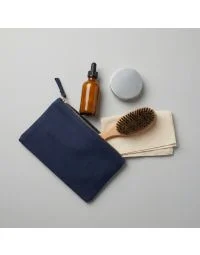
- Leather protector sprays made for garments add some repellency with the least change in look. Spot-test, apply in a ventilated space, and reapply as directed.
- Wax-based balms repel water better but usually darken leather and add a slight sheen.
- Oils such as mink oil darken and soften more than most jacket owners want.
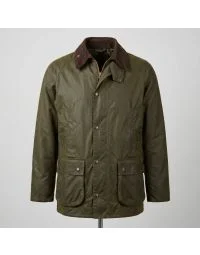
For regular wet-weather wear, the honest answer is a different jacket. Waxed cotton has long been used by sailors and outdoor workers to stay dry, and our deck and waxed cotton jackets are better suited to rainy days than any leather. Protector sprays and conditioners are in our leather care accessories.
FAQ
Can I put my wet leather jacket in the dryer?
No. Tumble-drying heat shrinks and stiffens wet leather. If the whole jacket has been soaked like a wash, see can you wash a leather jacket for damage-control steps.
My jacket got stiff after the rain. Is it ruined?
Usually not. Flex it gently, wear it for short periods, and apply a light conditioner once it is fully dry. Stiffness that stays after a few weeks of wear is worth showing to a leather professional.
Is it OK to wear a leather jacket in snow?
Yes, with the same care. Brush off snow before it melts into the leather and wipe road salt off the cuffs and hem the same day.
Sources
Shrinkage temperature figures come from SATRA's bulletin on leather shrinkage temperature. Guidance on drying damp leather promptly draws on the Canadian Conservation Institute's CCI Notes 8/1: Removing Mould from Leather. Follow your jacket's care label, and take vintage or valuable pieces to a professional leather cleaner.