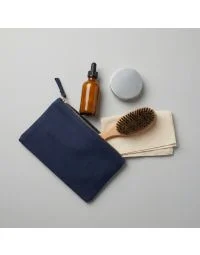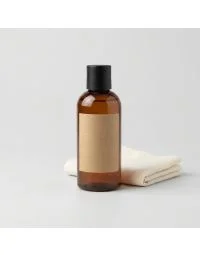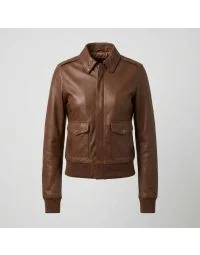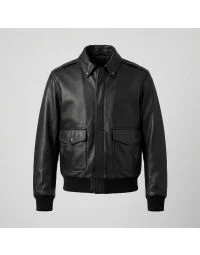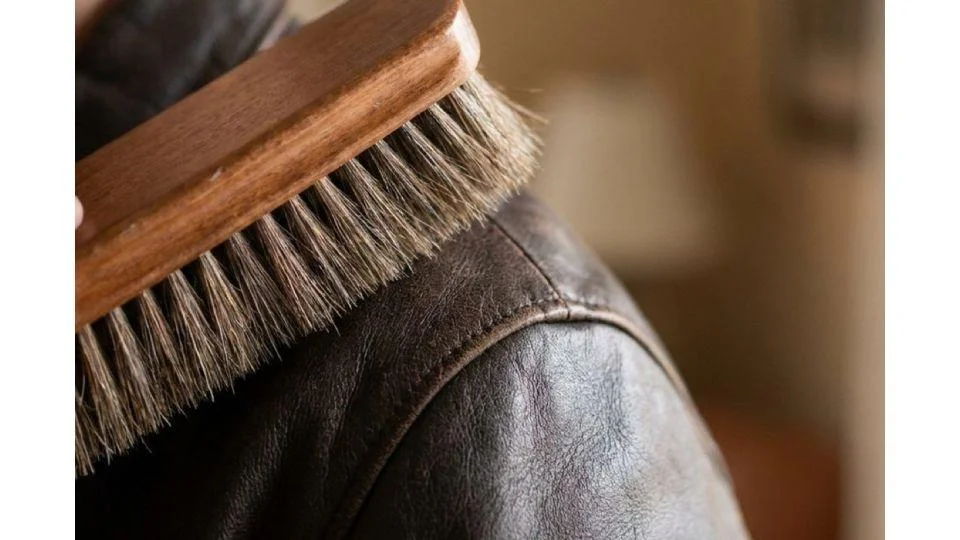
Condition a leather jacket only when the leather is clean, completely dry and starting to feel dry or look dull. Rub a pea-sized amount of conditioner into a soft cloth, work it into one panel at a time in thin, even circles, let it absorb for an hour or so, then buff off whatever is left. For most jackets that means once or twice a year, more in dry climates or heavily heated homes and less in humid ones.
The bigger risk for most owners is not too little conditioner but too much. Leather is tanned with oils already in it, and every extra coat you add has to go somewhere.
What conditioner actually does
During tanning, oils are worked into the hide so the fibers can slide past each other and the leather stays flexible. Wear, sun, central heating, rain and cleaning slowly remove some of that oil. A conditioner tops it up. It does not repair cracks that have already formed, and it does not make leather waterproof, although some wax-heavy products add a little water resistance.
Museum conservators are wary of oil and fat dressings on leather in collections because, over time, they can darken leather, leave it sticky, oxidize and feed mold. The US National Park Service accepts that leather in everyday use, such as boots and saddles, may need dressing to keep working. The practical lesson for a jacket you wear: condition when there is a reason, use thin coats, and avoid heavy animal fats unless you want the leather darker and softer.
Signs your jacket needs conditioning
- The surface looks flat or chalky after cleaning, even once fully dry.
- The leather feels stiff, papery or slightly rough to the touch.
- Fine, light-colored lines appear at the elbows, shoulders or pocket corners when you flex them.
- A drop of water on a hidden spot disappears noticeably faster than it used to.
Signs you have been over-conditioning
- Tacky or greasy feel that lingers a day after application.
- Uneven darkening, especially at seams and creases where product pools.
- White, waxy bloom on the surface that wipes away and returns. This is often fats migrating out of the leather, not mold.
- Dust and lint sticking to the surface.
- Limp, overly soft panels or seams that feel stretchy.
- A stale or rancid smell from old oils.
If you see these, stop conditioning, wipe the jacket with a clean dry cloth, and give it months rather than weeks before the next coat.
Conditioning-frequency matrix by hide and climate
Use this as a starting point and adjust to how your jacket looks and feels. It is guidance, not a rule; the care label and the maker's advice come first.
| Hide | Character | Dry climate or heated winters | Temperate | Humid or coastal |
|---|---|---|---|---|
| Horsehide | Dense, tight fibers, holds its oils well | About once a year | Every 1 to 2 years, or only when dry | Rarely; clean and air it instead |
| Cowhide | Thick, durable, the most common jacket leather | Twice a year | About once a year | Once every year or two, very light coat |
| Goatskin | Pebbled grain, naturally supple and light | Once or twice a year | About once a year | Rarely; mold risk outweighs dryness |
| Lambskin | Thin, soft, darkens easily | Twice a year, very small amounts | Once a year with a light cream | Sparingly, light cream only |
Two adjustments override the table. Add a coat after a soaking in rain once the jacket has dried slowly, and after a full clean if the leather feels dry. Skip a coat if the jacket lives in a humid closet, since added oils plus humidity are a known recipe for mold. For more on how the hides differ, see horsehide vs cowhide vs goatskin vs lambskin.
How to condition a leather jacket, step by step
- Clean it first. Conditioner over dirt seals grime in. Follow our guide on how to clean a leather jacket, then let it dry fully at room temperature.
- Spot-test. Apply a little conditioner under the collar or inside the front facing. Wait a few hours, ideally overnight, and check for darkening or a change in sheen.
- Use a cloth, not your fingers. A soft lint-free cloth spreads product more thinly and evenly.
- Start small. About a pea-sized amount per panel. You can always add more; taking it out is hard.
- Work in circles, seam to seam. Finish a whole panel so it dries to one even tone. Go lightly over seams and stitching where product collects.
- Let it absorb. Leave the jacket on a wide hanger for an hour or two, or as the product directs.
- Buff. Wipe off any surface residue with a clean dry cloth. A tacky feel means you used too much.
- Air it overnight before wearing it over light clothing.
New jackets
A new jacket has usually just left the tannery and the workshop with its oils intact. Most do not need conditioning for the first season or longer. Wear it, clean it when needed, and let the leather tell you when it is getting dry.
Flight jackets with knit, fur or shearling trim
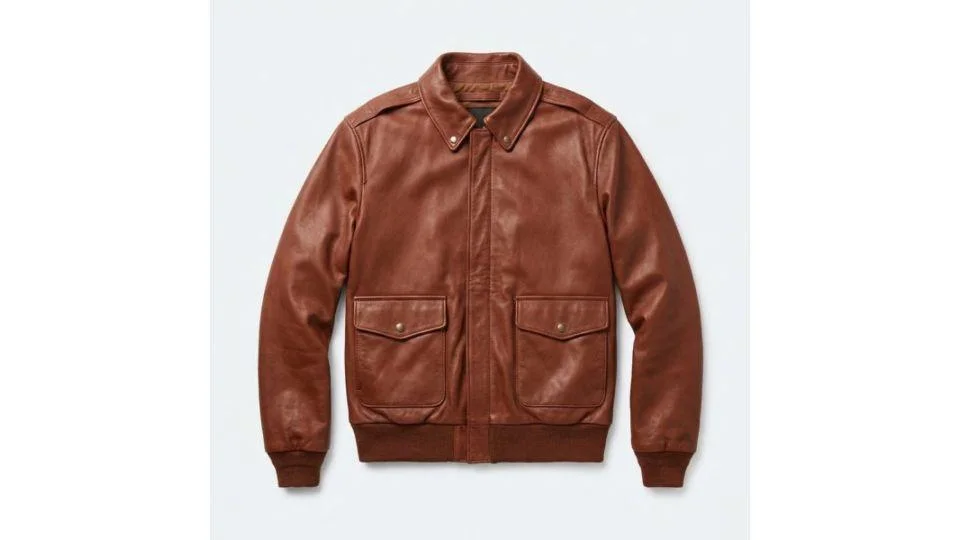
On A-2 style jackets, keep conditioner off the knit cuffs and waistband; it stains wool and rib knit. On jackets with shearling or fur collars, mask the collar with a cloth while you work. Browse our A-2 flight jackets to see the typical trim layout and where product should and should not go.
Choosing a conditioner
For garment leather, a light cream or lotion made for jackets and handbags is the safest choice. Heavier products have their place: wax balms add some water resistance and darken slightly; mink oil and neatsfoot oil soften and darken more. Our comparison of saddle soap, mink oil and conditioner sets out what each product does. You can find light conditioners in our leather care accessories.
Skip suede and nubuck entirely; creams and oils flatten and stain the nap.
FAQ
Can I use coconut oil or olive oil as a conditioner?
It is not recommended. Kitchen oils darken leather unevenly, are not designed to stay stable in leather, and can turn rancid over time. A product made for leather is a better choice.
Will conditioner fix cracks?
No. It can make fine dry lines less visible and slow new ones forming, but a crack where the grain has split is permanent. A professional leather repairer can sometimes fill and refinish it.
Does conditioning darken leather?
Often slightly, at least at first, and more so on aniline and light-colored leather. That is why the spot test matters. Light creams change color least; oils and fats change it most.
Sources
Background on how oils and dressings behave in leather comes from the US National Park Service's Conserve O Gram 9/1: Leather Dressings and the Canadian Conservation Institute's CCI Notes 8/2: Care of Alum, Vegetable and Mineral-tanned Leather. Follow your jacket's care label, and ask a professional leather cleaner before treating vintage or valuable pieces.