To clean a leather jacket at home, brush or wipe off loose dirt, then work over the surface with a soft cloth that is barely damp, or with a cleaner made for garment leather, one panel at a time. Never soak it, never put it in a washing machine, and let it air-dry at room temperature before you decide whether it needs conditioner. Treat individual stains separately, and always test anything new on a hidden spot first.
That is the short version. The details below matter because two leather jackets that look alike can react very differently to the same cloth and cleaner.
Step zero: work out what kind of leather you have
Before you clean anything, read the care label if there is one and follow it. Then figure out how the surface is finished, because the finish decides how much moisture the jacket can take.
- Aniline or lightly finished leather has little or no protective coating. You can see natural pores and small marks, and it often feels slightly warm and soft. It darkens quickly when wet and stains easily. Many vintage-style flight jackets in horsehide and goatskin fall into this group.
- Semi-aniline leather has a thin protective layer. It resists light spills for a moment, then slowly absorbs them.
- Pigmented (finished) leather carries an opaque color coat. Liquids sit on top and wipe away. It is the most forgiving to clean.
- Suede and nubuck have a napped, velvety surface and need a completely different approach. See our guide to cleaning a suede jacket.
The drop test: put one drop of water on a hidden spot, such as inside the front facing or under the collar. If it soaks in and darkens the leather within a few seconds, treat the jacket as aniline and keep moisture to a minimum. If it beads and sits there, the surface is finished and will tolerate a damp wipe. Blot the drop away with a dry cloth either way.
The spot-test routine (do this before every new product)
Cleaners, conditioners and stain removers can lift dye, leave rings or change the sheen. A two-minute test saves a jacket.
- Pick a hidden area: the underside of the collar, the inside of the front placket, or the hem behind the waistband.
- Apply a small amount of the product with a clean white cloth, exactly as you plan to use it on the jacket.
- Check the cloth. Color on the cloth means the dye is not fixed well; stop and use a gentler method or a professional.
- Let the spot dry completely, ideally overnight, and look at it in daylight.
- Only go ahead if the color, texture and shine match the surrounding leather.
Routine clean: step by step
A jacket worn regularly benefits from a light clean a few times a season and a fuller clean when it looks dull or grimy.
- Empty and open it. Clear the pockets, undo the zip and lay the jacket flat or hang it on a wide hanger.
- Remove dry dirt first. Use a soft brush or a dry microfiber cloth, working into seams and around the collar. Grit rubbed into wet leather acts like sandpaper.
- Wipe with the least moisture that works. For finished leather, a cloth dampened with clean water and wrung out until it no longer drips is often enough. For heavier grime, use a leather cleaner made for garments and follow its directions. On aniline leather, stay with the cleaner or a nearly dry cloth.
- Work panel by panel. Clean a whole panel from seam to seam rather than scrubbing a single spot, which tends to leave a ring.
- Wipe off residue. Follow with a second clean, slightly damp cloth, then a dry one.
- Air-dry at room temperature. Hang it away from radiators, heaters, hair dryers and direct sun.
- Condition only if needed. If the leather feels dry or looks dull once dry, apply a thin coat of conditioner. Our guide on how to condition a leather jacket covers how much and how often.
Collar, cuffs and lining
The collar and cuffs collect skin oil and sweat, which show as darker bands. Clean these with the same method, more often. For a fabric lining, turn the jacket inside out, wipe with a cloth barely dampened with water and a drop of mild detergent, then rinse-wipe and leave it hanging open until fully dry. Do not soak the lining: water will wick through to the leather. Knit cuffs and waistbands on A-2 style jackets can be blotted the same way. Shearling collars and linings are a separate job: keep water off the wool side and brush the fleece gently instead.
Stain-by-stain triage table
Act fast, blot rather than rub, and start with the gentlest option in each row. If the first step does not help, stop before you make it worse.
| Stain | First move | What to use | Never use | Call a pro if |
|---|---|---|---|---|
| Water marks and rain spots | Blot dry, let it dry evenly | Lightly dampen the whole panel edge to edge so it dries to one even tone | Hair dryer, heater, rubbing a single spot | The tide line stays after a full even re-dry |
| Salt lines (winter roads, sweat) | Brush off dry crystals | Barely damp cloth, repeated; then a garment leather cleaner | Heavy scrubbing, salt-dissolving household cleaners not made for leather | Leather feels stiff or cracked under the line |
| Grease and oil | Blot the excess immediately | Cornstarch or unscented talc sprinkled on, left several hours, then brushed off; repeat | Water (spreads oil), dish degreasers on aniline leather | A dark halo remains after two or three rounds |
| Ballpoint ink | Leave it alone until you have tested | A dedicated leather ink remover on finished leather, spot-tested first | Rubbing alcohol, nail polish remover, hairspray (all can strip finish and dye) | The leather is aniline or the mark is large |
| Mildew or mold | Take it outdoors, let it dry | Soft brush outdoors, then a leather cleaner; full method in our mold guide | Bleach, sealing it in a bag while damp | Growth is inside the lining or the smell persists |
| Dye transfer (raw denim, bag straps) | Catch it early | Garment leather cleaner on finished leather, light passes | Abrasive pads, magic erasers | The leather is light colored or aniline |
| Sugary drinks and food | Blot, then wipe once with a damp cloth | Damp cloth, then a dry cloth; cleaner if sticky | Leaving it to dry sticky (attracts dirt and mold) | The mark has spread under seams |
White fuzzy or powdery spots can be mold, but they can also be fats working out of the leather. Our guide to mold on a leather jacket explains how to tell the two apart and what to do about each.
What to leave out of the cupboard
- Baby wipes and household wipes: many contain alcohol, fragrance or surfactants that can dull or dry the finish over time.
- Vinegar, lemon juice and baking soda: popular in DIY lists, but acids and alkalis can affect dyes and the leather itself. Use them only if a professional suggests it.
- Cooking oils: olive or coconut oil can darken leather unevenly and may turn rancid.
- Saddle soap on a jacket: fine for tack and work boots, heavier than most garment leather needs. Our comparison of saddle soap, mink oil and conditioner explains why.
- The washing machine and the dryer: covered in detail in can you wash a leather jacket. The short answer is no, unless the label says otherwise.
How often should you clean a leather jacket?
There is no fixed schedule. Brush or dry-wipe after wear in dusty or wet conditions, clean the collar and cuffs whenever you see a dark band forming, and give the whole jacket a full clean when it looks dull overall, which for most owners is once or twice a season. Cleaning too often, especially with water, is a common way to dry leather out.
When to hand it to a professional
Send the jacket to a specialist leather cleaner, not a general dry cleaner, when it is vintage or valuable, when the stain is large or unknown, when the dye comes off on your test cloth, or when the whole jacket is heavily soiled. Ask whether they clean leather in-house and whether they re-oil the leather afterwards, since full cleaning removes some of the oils added during tanning.
Supplies that make it easier
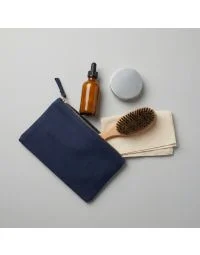
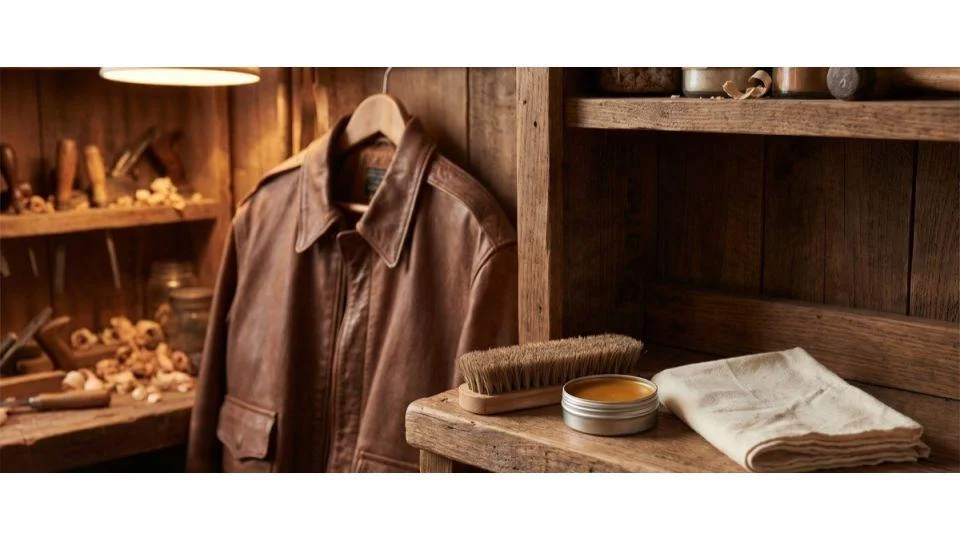
A soft brush, two or three microfiber cloths, a cleaner made for garment leather and a light conditioner cover almost every home job. You can find these in our leather care range. If you are choosing a new jacket and want something easy to look after, the finish notes on each piece in our leather jackets collection are worth reading with this guide in mind.
FAQ
Can I use dish soap on a leather jacket?
A tiny amount of mild soap in water is a common home method for finished leather, but dish soaps are designed to strip grease and can dry leather out. A cleaner made for garment leather is the safer choice. If you do use soap, wipe off every trace afterwards and spot-test first.
How do I get a smell out of a leather jacket?
Airing it out on a wide hanger in a dry, shaded, ventilated place solves most smells. Smoke, mustiness and perfume each have their own fixes, covered in our guide on removing smells from a leather jacket.
Should I condition right after cleaning?
Only once the jacket is completely dry, and only if the leather feels dry or looks dull. Conditioner on damp leather can blotch, and conditioning a jacket that does not need it can leave it tacky.
Can a dry cleaner clean my leather jacket?
Standard dry cleaning is not designed for leather. Many dry cleaners send leather out to a specialist, so ask who actually does the work and follow your care label.
Sources
Guidance on mold, drying and humidity draws on the Canadian Conservation Institute's CCI Notes 8/1: Removing Mould from Leather. Notes on oils, fats and white bloom draw on the US National Park Service's Conserve O Gram 9/1: Leather Dressings. Always follow your jacket's care label, and consult a professional leather cleaner for valuable or vintage pieces.