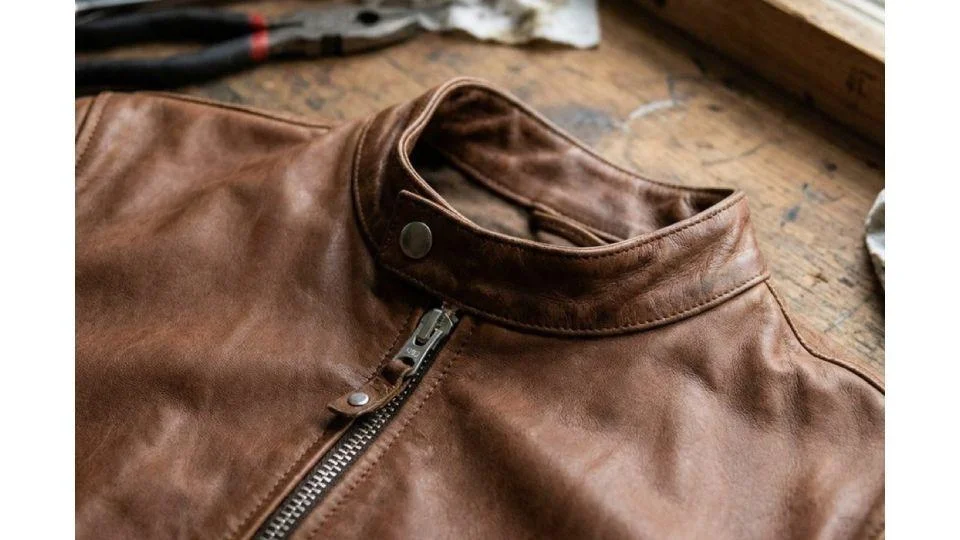
To remove a smell from a leather jacket, first work out where it comes from, then treat that source: air the jacket for smoke and new-tannery smells, clean the lining for sweat, and dry it out and check for mould if it smells musty. Most odours fade with fresh air plus an absorber such as baking soda or activated charcoal in a closed container, which takes two days to two weeks. Avoid spraying perfume, soaking the leather or using an ozone machine at home.
Find the source before you treat it
Leather is porous, and so is everything attached to it: the lining, the knit cuffs, the shearling collar and the padding. A jacket that smells is often fine on the outside and holding the odour in the lining. Do a quick sniff test in this order:
- Outer leather, especially the shoulders and collar.
- Lining at the armpits, the back of the neck and the inner cuffs.
- Knit cuffs and waistband, which soak up sweat and smoke like a sweater.
- Pockets, where old tissues, food or damp gloves are common culprits.
Empty every pocket and turn the pocket bags out before anything else. You would be surprised how often that alone solves it.
Odour source table: matched fix and time needed
| Smell | Likely source | Matched fix | Time needed |
|---|---|---|---|
| Cigarette or wood smoke | Smoke particles in the leather pores, lining and knits | Air outdoors in shade, then closed container with activated charcoal or baking soda. Wipe the leather with a damp cloth and leather cleaner. | 3 days to 2 weeks |
| Sweat or body odour | Lining at armpits, collar and cuffs | Spot clean the lining with a cloth and mild soapy water, rinse with a damp cloth, air dry. Wear a layer underneath going forward. | 1 to 2 days |
| Musty or damp | Moisture from storage or a soaking; possible mould | Dry fully at room temperature, inspect for mould spots, air, then absorber. Fix the storage problem. | 2 to 7 days |
| Strong new-tannery or chemical smell | Tanning and finishing agents still off-gassing | Hang in a ventilated room and wear it. No treatment needed. | A few weeks, fading with wear |
| Perfume or cologne | Fragrance oils absorbed at the collar | Air out, then wipe collar leather with a leather cleaner. Stop spraying fragrance near the jacket. | 1 to 2 weeks |
| Food, cooking or bar smells | Grease aerosol on the surface | Wipe with leather cleaner, air out. | 1 to 3 days |
| Pet or urine | Usually soaked into lining or padding | Professional leather cleaner. Home fixes rarely reach it. | Specialist |
Method 1: Air it out properly
Fresh air is the cheapest fix and the one most people do badly. Hang the jacket on a wide, shaped hanger, unzipped, with the collar up. Put it outdoors in the shade on a dry day, or in a well-ventilated room with a fan moving air past it. Keep it out of direct sun, which can fade and dry leather, and bring it in before evening damp. Repeat over several days.
Method 2: The closed-container absorber
This is the most effective home method for smoke and mustiness.
- Put the jacket on a hanger inside a large plastic storage bin or a garment bag that can be closed. Do not seal a damp jacket in anything.
- Place two or three open bowls or breathable pouches of baking soda or activated charcoal in the bottom. Keep the powder off the leather; it can leave a white residue in the grain.
- Close it and leave it for 48 hours, then check. Replace the absorber and repeat if needed.
- Air the jacket for a few hours afterwards.
Newspaper stuffed loosely in the sleeves can help with mustiness, but remove it once it feels damp.
Method 3: Clean the lining
Sweat smells live in the lining. Mix a few drops of mild soap in lukewarm water, dampen a cloth (never soak it), and wipe the armpits, collar and cuff areas of the lining. Follow with a cloth dampened in clean water to lift the soap, then let the jacket dry on a hanger at room temperature. Keep water off the outer leather while you work. Knit cuffs can be dabbed the same way.
Method 4: Clean and condition the leather surface
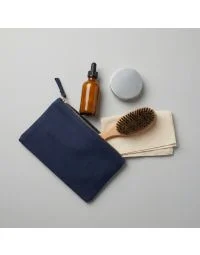
For smoke and cooking smells, the leather surface itself needs a light clean. Use a cleaner made for garment leather, spot tested on an inside facing first. Work in small sections with a soft cloth, wipe off, and let it dry. Then apply a thin coat of conditioner if the leather looks dry. Our leather care range has cleaners and conditioners suited to jacket leather, and our guide on how to clean a leather jacket walks through the full process.
Some people use a cloth very lightly dampened with a 1:1 mix of white vinegar and water on smoke-affected leather. Vinegar is acidic and can dull or mark some finishes, so test it on a hidden spot, use it sparingly and condition afterwards. If in doubt, skip it.
When the smell is musty: check for mould
A musty smell means moisture, and moisture means mould can follow. Look closely at seams, under the collar and inside the pockets for white, green or grey fuzzy spots. If you find any, handle the cleanup outdoors and follow our step-by-step guide to removing mould from a leather jacket. Then fix the cause, because a jacket will keep smelling if it goes back into a damp closet. Our guide on how to store a leather jacket covers hangers, breathable covers and humidity.
What not to do
- Do not spray perfume, deodorizer or fabric freshener on leather. Alcohol and fragrance oils can stain and dry the surface, and they only mask the smell.
- Do not machine wash or soak the jacket. It can shrink, stiffen and stain the leather and wreck the lining.
- Do not use an ozone generator at home. The US EPA notes that ozone damages lungs and can damage materials such as rubber, fabrics and some dyes. Professional cleaners who use ozone treatment do it in controlled conditions with the jacket alone in the room.
- Do not dry it with heat. A hair dryer or radiator can dry out and crack leather.
- Do not use dryer sheets rubbed on the leather. The coating can leave residue on the surface.
When to call a professional
Go to a specialist leather cleaner if the smell survives two rounds of airing and absorbing, if the jacket is vintage or valuable, if the smell is pet or urine, or if mould has spread into padding or shearling. Ask whether they handle garment leather specifically, not just general dry cleaning.
FAQ
Will the new leather smell go away?
Yes, mostly. The strong tannery smell fades over a few weeks of airing and wear, leaving the mild scent most people like about leather.
How do I get smoke smell out of a vintage leather jacket?
Use the gentle methods first: airing and a closed container with charcoal. Old leather can be dry and fragile, so avoid vinegar and take it to a professional if the smell persists.
Can I put coffee grounds in the pockets?
Dry coffee grounds absorb odours, but they can stain the lining and add their own smell. Charcoal or baking soda in a pouch is cleaner.
Sources
Ozone safety and material damage: US EPA: Ozone Generators that are Sold as Air Cleaners. Background on leather structure and porosity: Leather (Wikipedia).