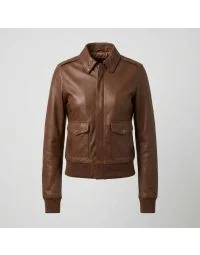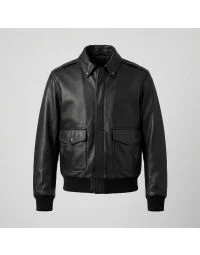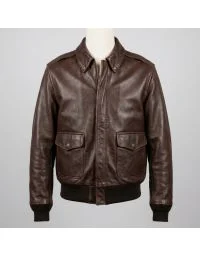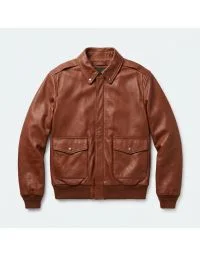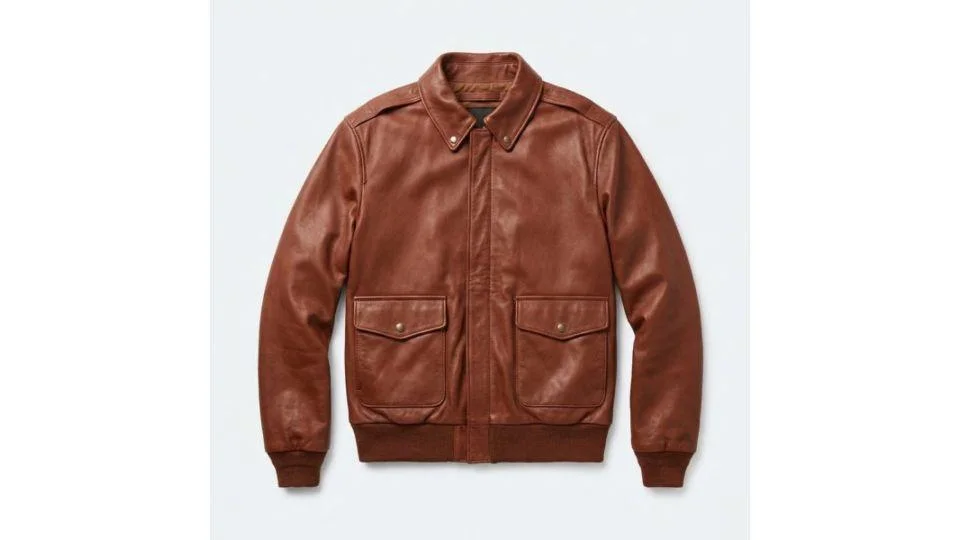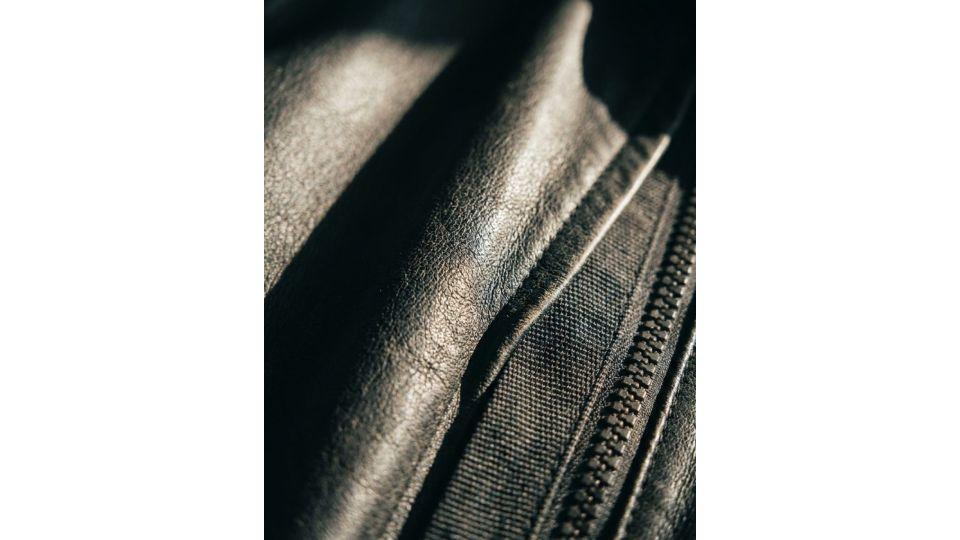
Leather jacket patina is the change in color, sheen and texture that builds up as you wear a jacket: creases that follow your elbows and shoulders, darker areas where hands and oils touch, lighter edges where friction wears the top dye, and a softer, glossier surface overall. It develops best on aniline-dyed and oil- or wax-stuffed leathers, and on heavy hides like horsehide. You encourage it by wearing the jacket often and conditioning sparingly, not by sanding, bleaching or soaking it.
What patina actually is
Three things happen on a well-worn jacket at once:
- Creasing. Repeated bending sets lines at the inner elbow, across the back of the shoulders and below the collar. On thick hides these become rolling ridges rather than fine wrinkles.
- Color change. Light, skin oils and friction shift the dye. Edges, seams, pocket flaps and cuffs lighten. Areas you touch, such as pocket openings, darken and gloss.
- Surface polish. Fibres compress and the oils and waxes in the leather rise to the surface, giving a soft sheen.
Patina depends on the finish. Aniline leather, colored with dye that soaks in and left with little or no pigment coating, shows every mark and ages visibly. Heavily pigmented, coated leather resists marks but tends to look much the same until the coating wears or cracks. That trade-off is the reason many flight jacket fans prefer aniline or lightly finished hides.
How each hide ages
Hide choice sets the ceiling for patina. Our full comparison of horsehide vs cowhide vs goatskin vs lambskin covers weight and warmth; this table focuses on ageing only, and assumes regular wear on an aniline or lightly finished hide.
| Hide | Creasing | Color change | Typical first signs | Character after years |
|---|---|---|---|---|
| Horsehide | Bold, rolling creases; sets slowly | Strong, especially on two-tone dyes where a lighter core shows through at edges | Several months of regular wear | The most dramatic patina; glossy, high-contrast creases |
| Cowhide / steerhide | Medium creases; quicker to set than horsehide | Moderate fading at seams and edges | A few months | Even, rugged wear; looks lived-in |
| Goatskin | Fine creases; the pebbled grain disguises them | Subtle; grain texture softens | Weeks | Relaxed, matte-to-satin look; hides scuffs well |
| Lambskin | Soft drape rather than creases | Slight; prone to scuffs that read as wear | Weeks | Slouchy and smooth; more wear than patina |
Timelines are guidance only. A jacket worn twice a week ages much faster than one worn twice a season.
Patina vs damage: how to tell them apart
Not every change is a good one. The difference is usually whether the leather is still supple and the surface is unbroken.
| You see | Patina (good) | Damage (act now) | What to do |
|---|---|---|---|
| Creases | Soft, flexible lines that open flat when you smooth them | Creases with fine cracks in the surface, or that feel hard and papery | Condition the dry area; stop flexing cracked spots |
| Fading | Gradual lightening at edges, seams and high points | Blotchy, chalky or grey patches over whole panels | Clean and condition; consider a specialist re-dye |
| Darkening | Glossy darker areas at pocket openings and cuffs | Greasy, sticky dark patches that rub off on fingers | Clean off excess conditioner or body oil |
| Surface texture | Smoother, softer, more polished | Peeling or flaking top coat | Specialist refinishing |
| Stiffness | Leather softer than new | Leather harder than new, crackles when bent | Gentle conditioning; specialist if very dry |
| Spots | Even wear marks | White or green fuzzy spots | That is mould; clean it promptly |
The main enemy is drying. Heat, sun and years without care pull oils out of leather until the fibres crack instead of flex. Cracks do not heal, so catch dryness early.
How to encourage patina (the honest version)
The only reliable method is wear. You cannot rush years of creasing into a weekend without it looking forced. What you can do is make sure the jacket ages well:
- Break it in properly. The first months set your creases. Our guide on how to break in a leather jacket has a week-by-week plan.
- Wear it in normal life. Driving, carrying a bag and reaching overhead create natural crease patterns. Light rain is fine; dry it at room temperature.
- Condition lightly, rarely. Once or twice a year for most jackets, after a spot test. Conditioner can darken leather, so test before you commit.
- Do not over-clean. Wipe off dirt, but scrubbing removes the surface character you are building.
- Keep it out of storage damage. A wide hanger, a breathable cover and a cool, dry closet keep the shape and stop drying out.
Shortcuts to skip
Sanding, wire brushing, bleach, acetone, soaking and tumble drying all appear in online aging tutorials. They remove finish and fibre rather than ageing it, and leather makers advise against faking wear. Factory-distressed jackets exist if you want the look from day one; that is a style choice, not a patina.
A flight jacket that ages well
Flight jackets cut on the A-2 pattern are a good canvas for patina: simple panels, a heavy hide and plenty of edges and seams for the color to wear at. If you want a jacket built to age, look at our A-2 flight jackets in horsehide or cowhide, or browse the full range of leather jackets by hide. Looked after, a good jacket keeps ageing well for decades; see how long a leather jacket lasts for what affects lifespan.
FAQ
Does conditioning stop patina?
No, light conditioning helps it by keeping leather supple. Heavy, frequent conditioning can darken leather evenly and blur the contrast that makes patina interesting.
Can I restore color without losing the patina?
A specialist can touch up badly faded areas, but re-dyeing a whole jacket usually resets its look. Discuss it with them before work starts.
Will a black jacket develop patina?
Yes, mostly as sheen and creasing. Some black jackets are dyed over a brown core, which shows through at worn edges over time.
Sources
How aniline and semi-aniline finishes age: Aniline leather (Wikipedia). Maker guidance on wearing in rather than faking age, and hide-by-hide break-in: Aero Leather Clothing: Breaking in a Leather Jacket.