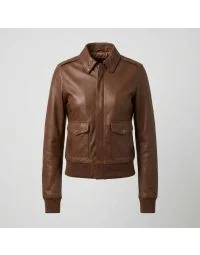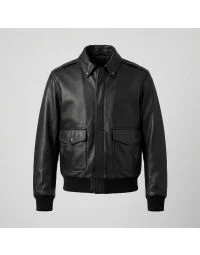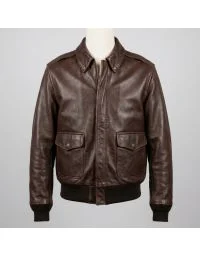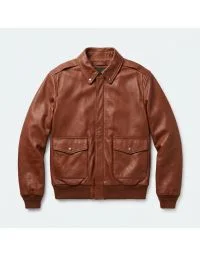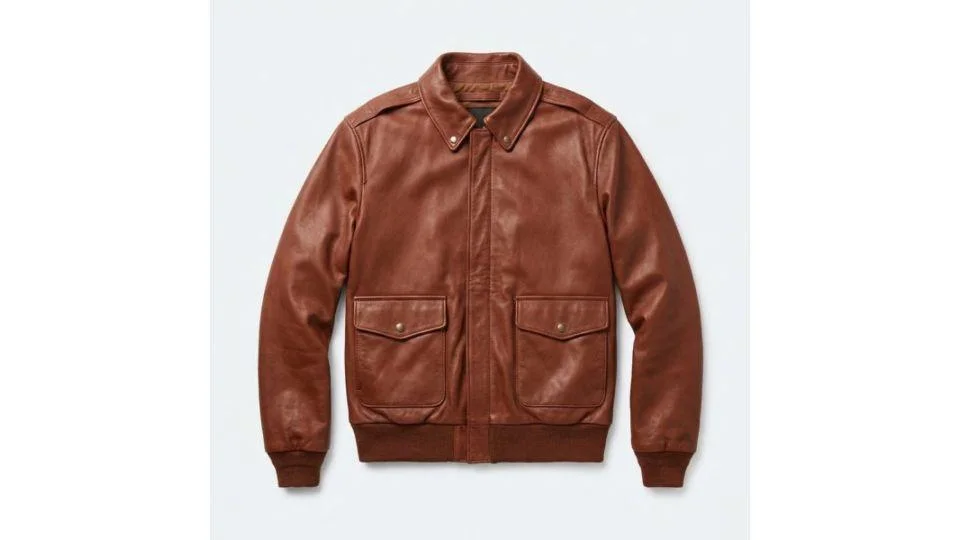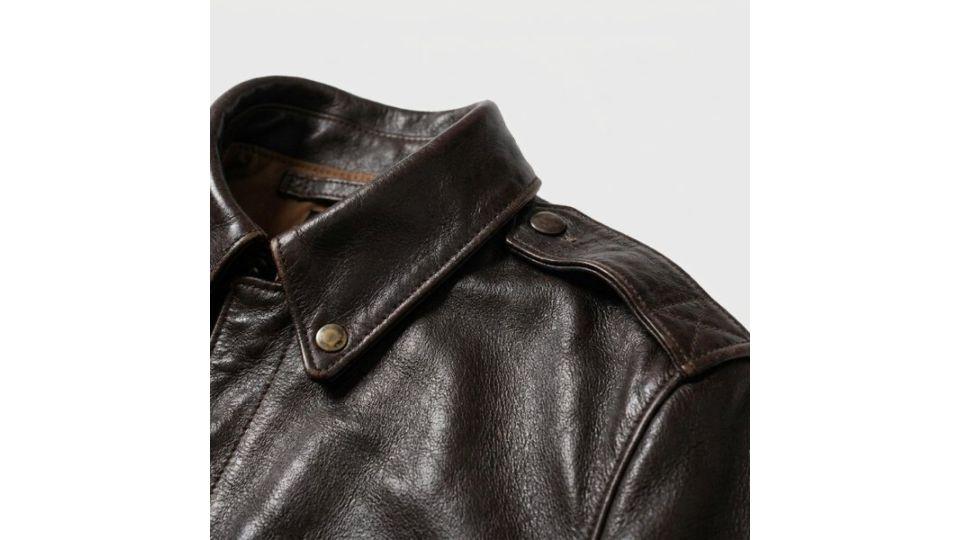
The way to break in a leather jacket is to wear it, often and for real activity: body heat and repeated movement flex the fibres and set creases where your body bends. A light coat of conditioner on the stiffest areas can help, but only after a few weeks of wear. Lightweight lambskin or goatskin may feel comfortable within days, while heavy horsehide or thick cowhide can take one to three months of regular wear.
Skip the soaking, the shower and the hot dryer. Those shortcuts can shrink, stain or dry out the hide, and there is no way to undo them.
Why new leather feels stiff
A tanned hide is a dense mesh of collagen fibres held in place by tanning agents, oils and finishes. When a jacket is new, those fibres have not been bent back and forth, so the leather resists every movement. Thicker hides have more fibre layers to loosen, and some leathers are stuffed with wax or oil in the tannery, which makes them feel firm and almost waxy at first.
Breaking in is not damage. It is the gradual loosening of that fibre structure in the places your body actually moves: elbows, shoulders, the inside of the forearm and the lower back. That is also why a jacket you break in yourself ends up shaped to you, with creases in your places rather than someone else's. Those creases are the start of the jacket's character, which we cover in our guide to leather jacket patina.
Week-by-week break-in plan by hide weight
Use this as a pacing guide, not a deadline. Climate, how often you wear the jacket and the specific tannage all change the timeline. Leather makers themselves note that heavy, oil-and-wax-stuffed horsehide takes longest, while goatskin and pre-softened steerhide need little or no break-in.
| Period | Light hides (lambskin, thin goatskin) | Mid-weight (goatskin, cowhide, steerhide) | Heavy (horsehide, thick cowhide) |
|---|---|---|---|
| Week 1 | Wear daily for normal errands. Usually comfortable already. | Wear 1 to 2 hours a day. Expect stiffness across the shoulders. | Short wears of an hour. Reach, drive, carry bags. It will feel like armour. |
| Weeks 2 to 3 | Done for most people. No conditioner needed yet. | Elbow creases start to form. Arms loosen noticeably. | First creases at the elbows and inner arm. Collar starts to soften. |
| Weeks 4 to 6 | Condition only if the surface looks dry. | Most of the stiffness is gone. A light conditioner on dry areas if needed. | Body softens. If the hide looks dry, apply a thin coat of conditioner to elbows and shoulders only. |
| Weeks 6 to 12 | Maintenance care only. | Broken in. Shapes to your posture. | Most heavy jackets feel comfortable by now with regular wear. Creases are set. |
A practical rule: the jacket is broken in when you forget you are wearing it while driving or reaching for something on a high shelf.
What actually speeds it up
- Wear it while you move. A jacket hanging in a closet does not break in. Walking, driving, cycling and carrying a bag do the work.
- Let body heat help. Warm leather is more pliable than cold leather. Wearing a sweater underneath on mild days adds warmth and gently stretches the shoulders.
- Work the stiff spots by hand. Roll and flex the cuffs, collar and elbow area between your hands for a few minutes while watching TV. Do not twist hard enough to crack the finish.
- Leave it somewhere slightly warm overnight. A room at normal indoor temperature is enough. Never near a radiator, heater, fireplace or in a hot car.
- Light rain is fine. A short walk in drizzle will not hurt most finished leathers and can help them settle. Let the jacket dry naturally on a wide hanger afterwards. Our guide to wearing a leather jacket in the rain explains how to dry it properly.
When (and how) to use conditioner
Conditioner adds oils and makes the surface feel supple, but it does not replace wear. Too much, too early, can darken the leather, leave it greasy, soften seams and attract dust. New jackets usually leave the tannery with plenty of oil in them.
- Wait at least two to four weeks of regular wear.
- Spot test on an inside facing or under the collar and let it dry for a day. Some conditioners darken leather permanently.
- Apply a thin layer with a soft cloth to the stiffest areas only, working it in with circular strokes.
- Leave it to absorb overnight, then buff off any excess.
Always follow the care label first. If you need a cleaner, conditioner and cloth in one place, our leather care products are chosen for jacket leathers. For a deeper look at products and timing, see how to condition a leather jacket.
Break-in myths to avoid
| Myth | What actually happens | Do this instead |
|---|---|---|
| Soak it in the bath and wear it dry | Can shrink the jacket unevenly, leave water lines, pull oils out and stiffen it once dry. Linings and pocket bags can shrink at a different rate from the shell. | Regular wear, plus light rain at most. |
| Wear it in the shower | The same risks as soaking, plus soap residue on the leather and lining. | Work stiff areas by hand. |
| Put it in the dryer | Heat can shrink and harden leather and damage zips, snaps and knit trims. | Room-temperature drying on a wide hanger. |
| Use olive oil or petroleum jelly | Kitchen oils can turn rancid and darken unevenly. Heavy greases can clog the surface. | A conditioner made for garment leather, spot tested first. |
| Sand or scrub it for a worn look | Removes finish and dye and creates scuffs, not patina. | Time and wear. |
| Size down because it will stretch | Leather relaxes a little across the shoulders and elbows, but it will not grow a size. | Buy the size that fits now. |
On that last point, leather does give slightly with wear but much less than people hope. Our explainer on whether a leather jacket shrinks or stretches covers what to expect, and the size guide has the charts.
Breaking in a flight jacket specifically
Flight jackets cut on the A-2 pattern have a few parts that loosen at different speeds. The body and sleeves follow the timeline above. Knit cuffs and the waistband need no break-in, but the leather tabs at the collar and the snap or hook closures often feel tight at first. Fasten and unfasten them a few times a day for the first week rather than forcing them.
The collar is usually the last part to soften on a heavy hide. Wear it turned up on cool days and fold it down by hand when you take the jacket off. If you are still choosing a jacket, our A-2 flight jackets are built in several hides, so you can pick a softer goatskin if you would rather skip a long break-in.
FAQ
How long does it take to break in a leather jacket?
Anything from a few days for thin lambskin to two or three months for heavy horsehide. Frequency of wear matters more than calendar time.
Can I speed it up with a hair dryer?
It is not worth the risk. Direct heat can dry, shrink or discolour leather in seconds. A slightly warm room overnight is as much heat as a jacket needs.
Should I condition a brand-new jacket?
Usually not. Wear it for a few weeks first, then condition only areas that look or feel dry, after a spot test.
My new jacket squeaks. Is that normal?
Yes. Panels rubbing against each other often squeak on stiff, new leather. It fades as the leather softens.
Sources
Break-in timing by hide is based on leather maker guidance from Aero Leather Clothing: Breaking in a Leather Jacket. Background on how tanned leather is structured: Leather (Wikipedia).