The MA-1 Jacket: History, the Orange Lining and How It Became Streetwear
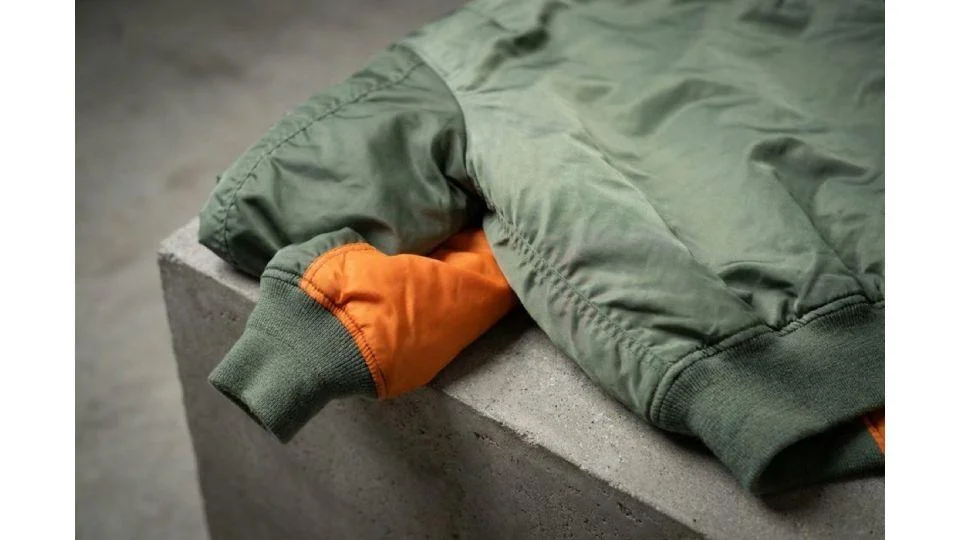
The MA-1 was designed for jet crews in helmets and harnesses, then adopted by almost every youth culture since. Here is the real story, including the orange lining.
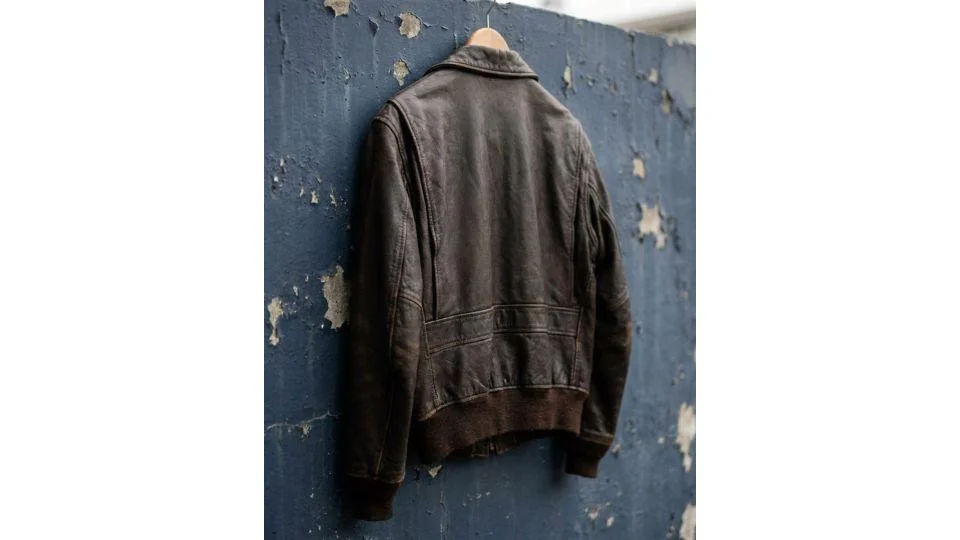
The history behind the A-2, G-1, B-3, MA-1, parkas, field jackets and other aviation clothing.
The MA-1 was designed for jet crews in helmets and harnesses, then adopted by almost every youth culture since. Here is the real story, including the orange lining.
The A-2 and G-1 look alike from a distance but wear differently. Compare collar, back, hide, fit and formality, then match a jacket to how you actually dress.
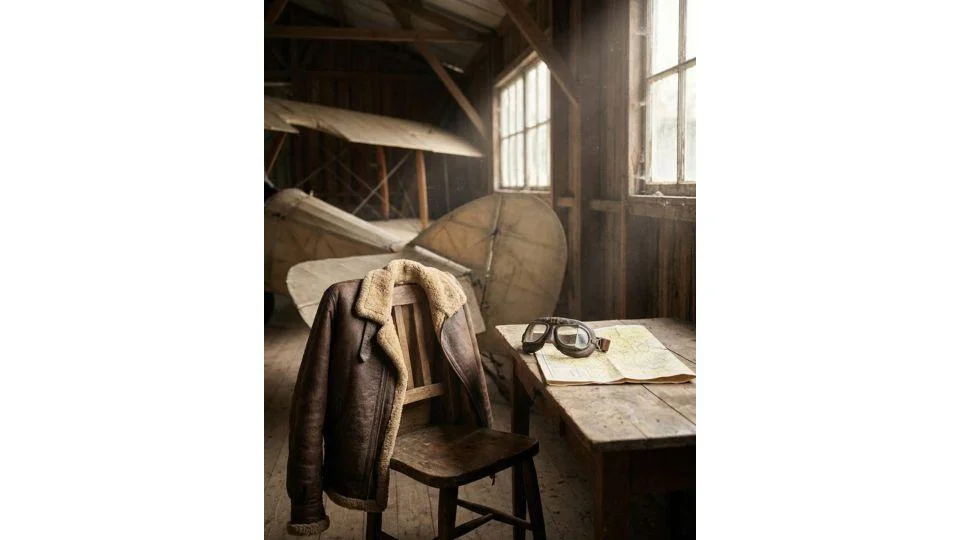
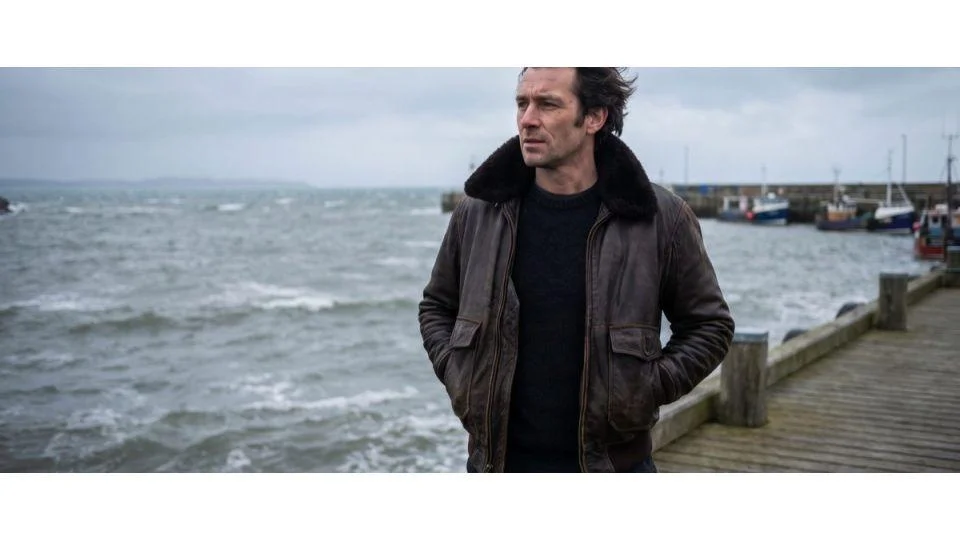
The G-1 is the US Navy's leather flight jacket, known for its mouton fur collar and pleated action back. Here is how it developed and what each feature was for.
The B-3 was built for one enemy: the cold inside unpressurized bombers. See how altitude shaped every detail, and how the original compares with modern shearling jackets.
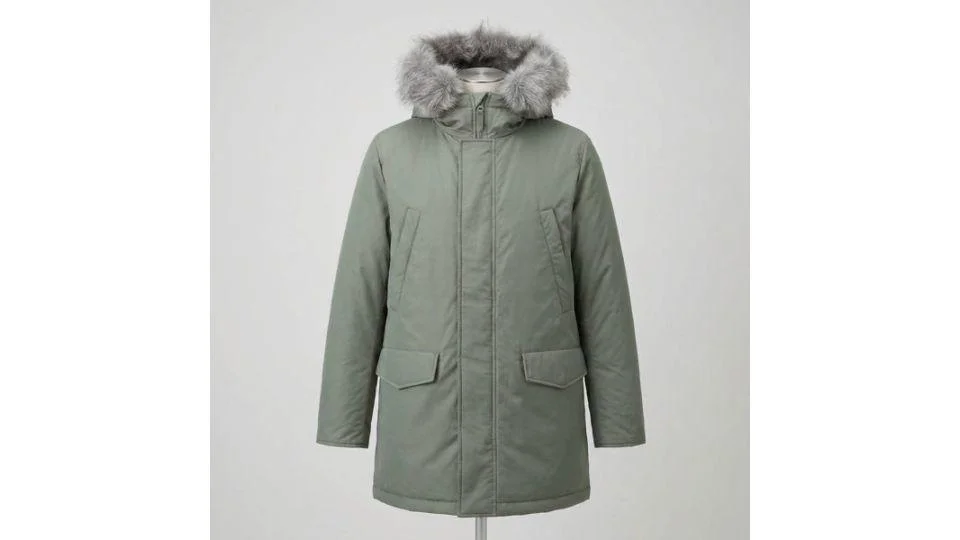
The N-3B is the long, snorkel-hooded parka; the N-2B is its waist-length cousin for people who sit, drive or move a lot. Here is how to choose.
Four fabric flight jackets, four different jobs. Compare the B-15, L-2B, MA-1 and CWU-45/P on collar, fabric, flame resistance, warmth and fit.
The A-2 was approved in 1931 and has barely changed since. Learn its history and use our feature checklist to judge any A-2 reproduction.
Every classic flight jacket was an answer to a specific flying problem. This timeline traces the chain from open-cockpit leather coats to the A-2, B-3, G-1, MA-1 and flame-resistant CWU-45/P.