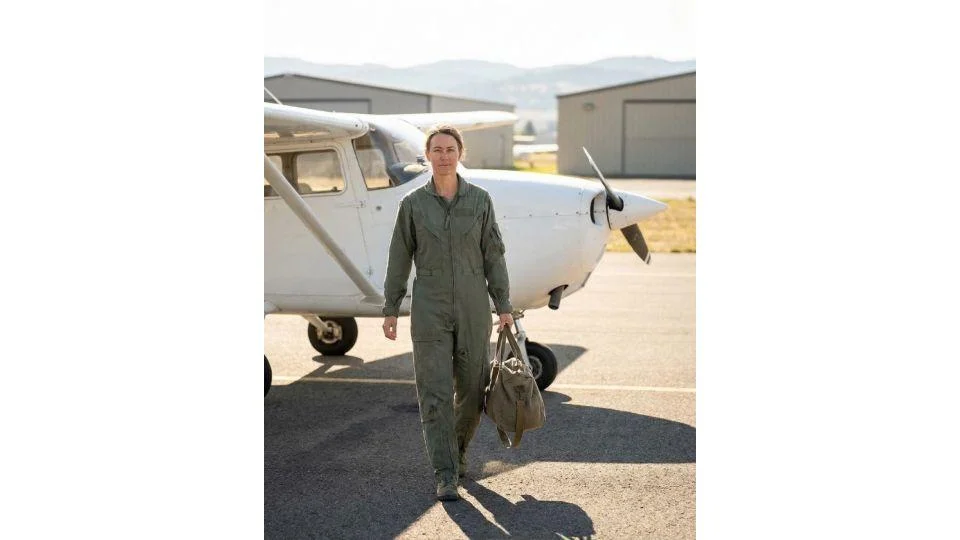
For flying a small plane, wear long trousers and a long-sleeved top in natural fibers such as cotton or wool, closed leather shoes with thin, flexible soles, a warm layer you can reach in flight, and non-polarized sunglasses. Avoid synthetic athletic wear, loose scarves and dangling jewelry. There is no FAA dress code for general aviation pilots, so this is about comfort, control feel and giving yourself the best chance if something goes wrong, especially a fire or an off-airport landing.
Why clothing matters in a light aircraft
In an airliner, clothing is about comfort. In a small piston aircraft you are close to fuel, oil and hot engine components, your feet work the rudder pedals and brakes, and cabin temperature can swing from greenhouse-hot on the ramp to cold at altitude. If you ever have to land away from an airport, you may also need to walk, wait or shelter in what you are wearing. Good flying clothes handle all of that without getting in the way.
The pilot clothing checklist
| Item | Choose | Avoid | Why |
|---|---|---|---|
| Shirt | Long-sleeved cotton, wool or a flame-resistant fabric | Polyester, nylon or spandex athletic tops | Many synthetics melt and stick to skin when heated; natural fibers char instead |
| Trousers | Cotton chinos, jeans or flame-resistant flight trousers | Shorts, leggings, synthetic joggers | Covers skin from heat and sun; pockets for small items |
| Footwear | Closed leather shoes or boots with thin, flexible soles | Sandals, flip-flops, thick-soled or chunky boots | You need to feel the pedals and brakes; leather protects in heat and on rough ground |
| Warm layer | Wool sweater or natural-fiber jacket within reach | Bulky coats worn in the seat; layers packed in the baggage area | Cabins get cold at altitude; bulky coats interfere with harnesses and movement |
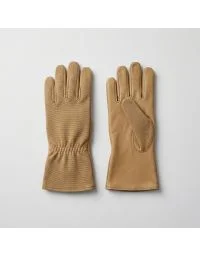
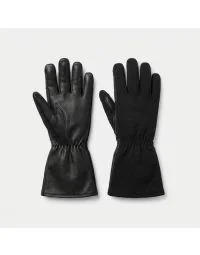
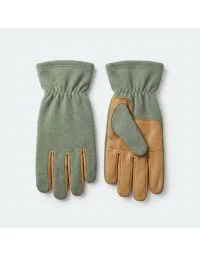
| Gloves | Thin leather or flame-resistant flight gloves | Thick ski gloves, synthetic gloves | Protect hands from heat, cold and sharp metal while keeping fine control |
| Sunglasses | Non-polarized lenses, neutral gray tint | Polarized and photochromic lenses | See the sunglasses section below |
| Headwear | Thin cap that works with your headset, or none | Hats that lift the headset seal or block the view upward | Headset comfort and noise protection come first |
| Accessories | Short scarf or neck gaiter in cold weather | Long loose scarves, dangling jewelry, lanyards | Anything loose can snag controls, belts or door latches |
The synthetic-fiber caution
Most everyday activewear is made from polyester, nylon or spandex. These fabrics are comfortable and quick-drying, but many of them melt when exposed to high heat and can stick to the skin, making a burn worse. Cotton and wool do burn, but they tend to char rather than melt, and wool and leather resist ignition comparatively well.
This applies to some classic aviation clothing too. A nylon MA-1 style bomber looks the part but nylon is not flame resistant. If you like to fly in a flight jacket, a leather jacket or a flame-resistant jacket is the safer choice in the cockpit.
Where Nomex® fits in
Nomex® is a meta-aramid fiber developed by DuPont and, since April 2026, owned by Arclin. It is inherently flame resistant, which is why military and professional aircrews wear flight suits, jackets and gloves made from it. Flame resistant does not mean immune to fire: it resists ignition and does not melt or drip, buying time rather than guaranteeing protection.
Many private pilots never wear Nomex®, and nothing requires it. Others choose flight gloves or a flight jacket in it for peace of mind. Browse our Nomex® flight gear if you are curious, and read what Nomex® is and how it works for the details. Fashion and heritage garments are not certified PPE; do not rely on them for firefighting, welding or other fire hazards.
Footwear: feel the pedals
Your feet do precise work in a light aircraft: rudder inputs, toe brakes and sometimes heel brakes. The ideal shoe has a thin, flexible sole, a narrow profile that will not catch on the pedal next door, and a leather upper. Plain leather sneakers, desert boots and slim leather work boots all suit. Hiking boots with wide, thick soles can make braking feel vague, and sandals can slip off the pedals entirely.
Layers and temperature
Air cools as you climb, cabin heaters in older aircraft vary, and on the ramp in summer the cabin can be uncomfortably hot. Dress in layers you can manage while seated:
- A cotton or merino base layer.
- A long-sleeved cotton shirt.
- A wool sweater or natural-fiber jacket in reach, not in the baggage compartment.
- In winter, a warm coat for the preflight walkaround that you remove before strapping in, plus a hat and gloves in the cabin for after landing.
Think about walking out too. On a cross-country flight over remote terrain, pack or wear enough to stay warm on the ground for a few hours.
Gloves
Thin gloves protect against hot metal, cold controls in winter and sharp edges during preflight, and give some protection in a fire. They must be thin enough to feel switches and fine controls. Our guide on how to choose flight gloves covers fit and materials, and you can see options in our Nomex® flight gloves.
Sunglasses
The FAA's pilot safety brochure on sunglasses recommends a neutral gray tint and advises against polarized lenses, because polarization can make some cockpit displays and instruments hard to read and can hide glare cues from other aircraft. It also does not recommend photochromic lenses, which may not darken properly behind a windscreen that blocks UV. Choose a frame with thin arms that sits comfortably under your headset ear seals.
Do you need a flight suit?
For recreational flying, no. Flight suits come from military and professional aviation, where they keep pockets organized and provide flame resistance. Some general aviation pilots like them for aerobatics or long cross-countries; most fly in everyday clothes chosen with the checklist above. If you are curious about where the one-piece suit came from, read our history of the flight suit.
Everything else, from sunglasses cases to scarves and caps, is in our aviation accessories.
FAQ
Can I fly in shorts?
It is allowed, but long trousers protect your legs from sun, hot surfaces and fire. Many instructors encourage long trousers for that reason.
Are jeans OK for flying?
Yes. Cotton denim is a practical choice: durable, mostly natural fiber and comfortable for walking. Check the label, as many stretch jeans contain synthetic fibers.
What should passengers wear?
The same principles apply: natural fibers, closed shoes, a warm layer and no loose items. Tell passengers in advance that the cabin can be cold at altitude.
Sources
Practical clothing guidance for general aviation pilots: Midwest Flyer, What not to wear: clothing as part of your safety system. Sunglasses guidance: FAA, Sunglasses for Pilots. Nomex® ownership: Textile World, Arclin completes acquisition of the DuPont Aramids business.