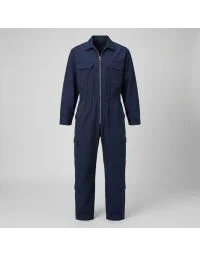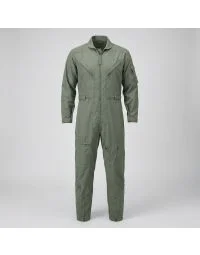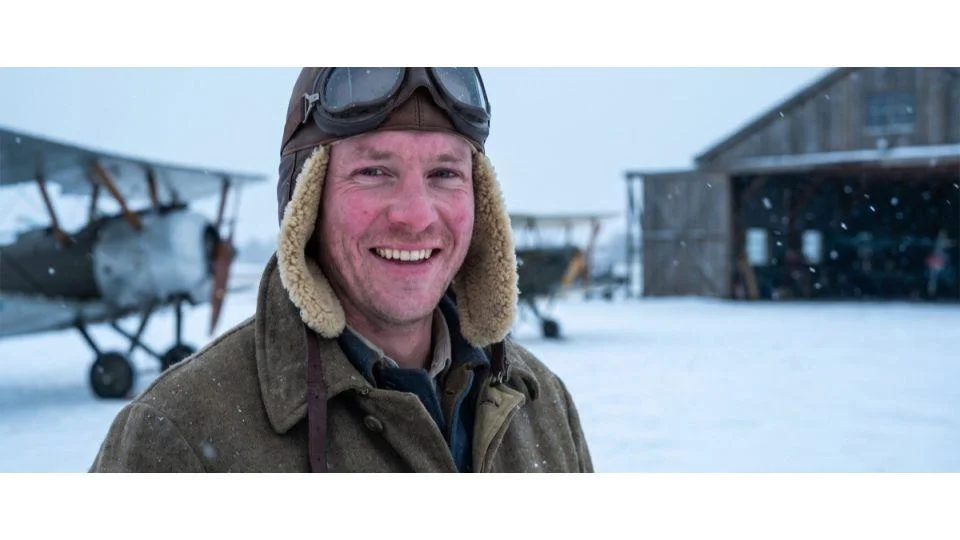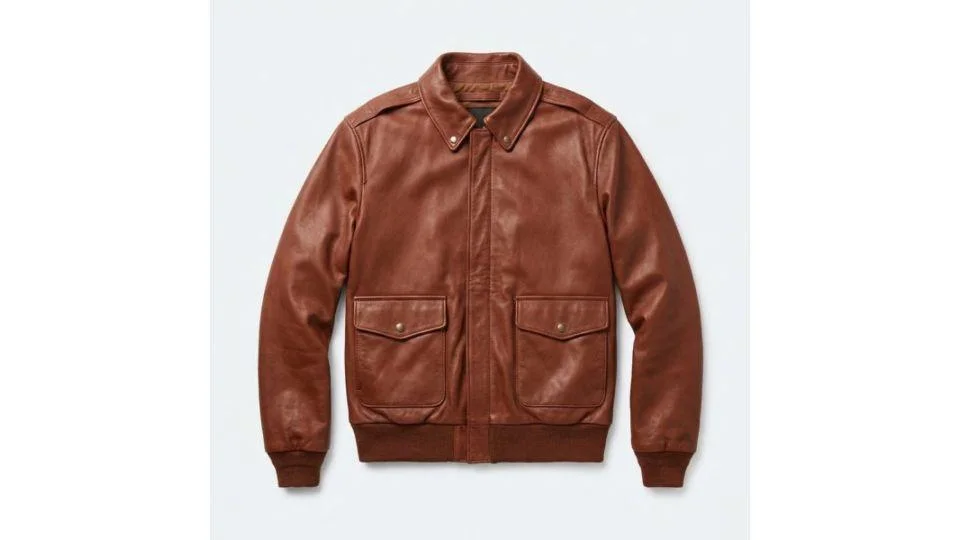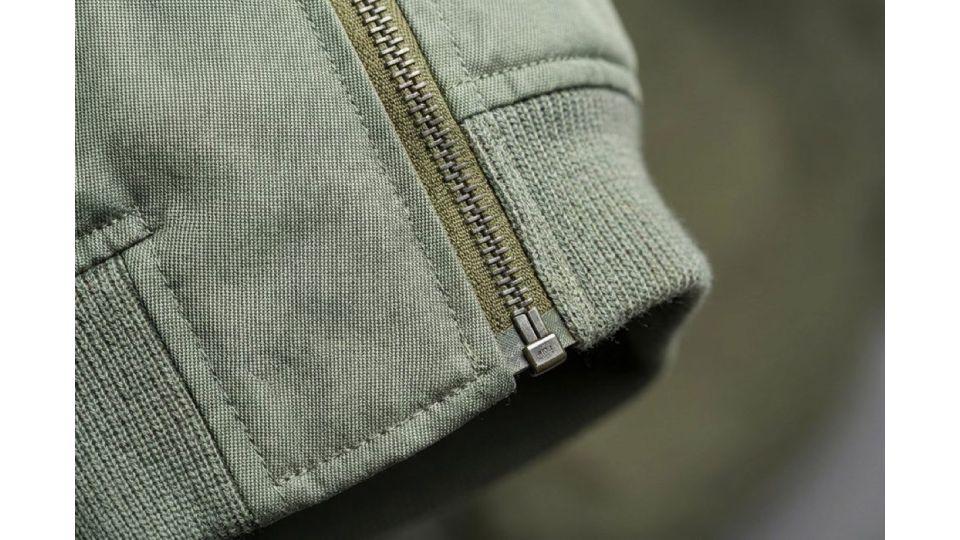
Nomex® is a meta-aramid fibre developed by DuPont and, since April 2026, owned by Arclin, which acquired DuPont's aramids business including the Nomex® and Kevlar® brands. Its flame resistance is built into the fibre itself, so it does not wash out: Nomex® will not melt or drip, and it does not support combustion once the flame source is removed. That is why it became the standard fabric for military flight suits, firefighter turnout gear and many industrial work garments.
It is flame resistant, which is not the same as being immune to fire. Nomex® still chars and breaks down under sustained heat, and how much protection a garment gives depends on the whole garment, its fabric weight and the standard it was tested to.
Where Nomex® came from
DuPont's research into heat-resistant polymers in the late 1950s and early 1960s produced a family of fibres called aramids, short for aromatic polyamides. Nomex® was the first to reach the market, launched commercially in 1967. Its chemical cousin Kevlar®, a para-aramid, followed a few years later and is known for strength rather than heat resistance.
Military aviation was an early adopter. Jet fuel fires and post-crash fires made the old cotton flight suits a real risk, and through the late 1960s and 1970s flight suits, gloves and flight jackets moved to Nomex® fabric. The story of that change is covered in our article on flight suit history.
Flame resistant vs proof against fire: what the words mean
People often ask whether Nomex® is proof against fire. No textile garment is. These are the terms you will meet and what they actually mean.
| Term | What it means | How long it lasts | Example |
|---|---|---|---|
| "Proof against fire" | Cannot burn or be damaged by fire. Not a real property of clothing fabrics. | Not applicable | A claim to be wary of on any garment |
| Inherently flame resistant | The fibre itself resists ignition and self-extinguishes when the flame is removed | Life of the garment | Nomex® and other meta-aramids |
| Flame retardant treated | A normal fibre, often cotton, with a chemical finish that slows burning | Can reduce with washing and wear, depending on the treatment | Treated cotton workwear |
| Non flame resistant | Burns, and synthetics may melt and stick to skin | Not applicable | Nylon, polyester, untreated cotton |
Inherently flame resistant fibres such as Nomex® do not ignite easily, and when they are exposed to intense heat they char and thicken rather than melting. That thickened char layer slows heat transfer to the skin for a short time, which is what buys an escape in a flash fire. It is protection measured in seconds, not immunity.
Meta-aramid vs nylon: why your MA-1 is not the same thing
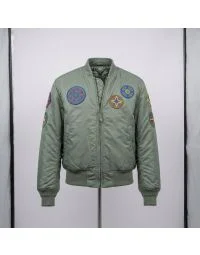
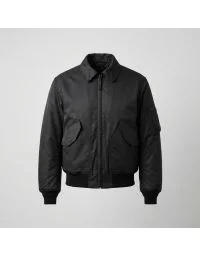
Many flight jackets look alike, but their fabrics behave very differently near a flame. The nylon on an MA-1 or a nylon B-15 is not flame resistant. The CWU-45/P was introduced with a Nomex® shell precisely to fix that. Our comparison of the MA-1, CWU-45/P and B-15 walks through the three side by side.
| Property | Meta-aramid (Nomex®) | Nylon flight satin |
|---|---|---|
| Reaction to flame | Resists ignition; self-extinguishes | Burns and melts |
| Melting | Does not melt or drip; chars at high temperature | Melts and can drip onto skin |
| Feel | Dry, matte, slightly papery when new; softens with washing | Smooth, slick, light sheen |
| Sunlight | Can fade or yellow with long UV exposure | Fairly colour-stable |
| Strength and abrasion | Good | Good, but snags |
| Typical garments | CWU-45/P jackets, CWU-27/P flight suits, flight gloves | MA-1 and B-15 style bombers |
One practical point follows from the table. If you are wearing gear for a reason beyond style, what you wear underneath matters too. Synthetic base layers can melt under a flame-resistant outer layer, which is why aircrew are generally told to wear cotton, wool or flame-resistant underlayers.
What to check on a label
Words like "aviator" or "flight" on a tag tell you nothing about fire performance. Before you assume a garment is flame resistant, check these points.
- Fibre content. Look for Nomex® or meta-aramid named in the fibre composition, with a percentage. A garment can contain a small amount of aramid and still be mostly nylon or polyester.
- Where the aramid is. A Nomex® shell with a nylon or polyester lining, knit cuffs or thread behaves differently from a garment made entirely of flame-resistant materials.
- Blend names. Many fabrics are blends, such as Nomex® IIIA, which adds small amounts of para-aramid and antistatic fibre to meta-aramid. That is normal for flight suits.
- A stated test standard. Protective clothing sold as PPE names the standard it was certified to, for its specific hazard. No standard named means no protective claim is being made.
- The care label. Aramid garments generally should not be bleached with chlorine, and laundry products that leave residues can affect performance. Our guide on how to wash a Nomex flight suit covers the details. Always follow the garment's own care label.
What heritage Nomex® gear is and is not for
Fashion and heritage garments are not certified PPE; do not rely on them for firefighting, welding or other fire hazards. A military-pattern Nomex® flight jacket or coverall is a well-made, durable piece of clothing with a real aviation pedigree, and the fabric's properties are genuine. But unless a garment is certified to a named protective standard for your hazard, treat it as clothing, not safety equipment.
If you want the look and the fabric, browse our Nomex® flight gear, including flight suits and coveralls and the CWU-45/P Nomex® pilot jacket. Each product page lists the fabric composition, and the size guide helps with fit.
Nomex® FAQ
Can Nomex burn?
It resists ignition and stops burning when the flame source is removed, and it will not melt. But sustained, intense heat will char and eventually destroy it, so it is flame resistant rather than immune to fire.
Is Nomex the same as Kevlar?
Both are aramids from the same research family, now both under Arclin. Nomex® is a meta-aramid valued for heat resistance; Kevlar® is a para-aramid valued for strength, used in body armour and reinforcement.
Does washing remove Nomex flame resistance?
No. The resistance is part of the fibre, not a coating. Dirt, oils and some laundry residues can affect how a garment performs, so wash it properly and follow the label.
Why does my Nomex jacket feel stiff?
New aramid fabric is fairly crisp. It softens with wear and washing.
Sources
Ownership and fibre behaviour were checked against Textile World: Arclin completes acquisition of the DuPont aramids business, Arclin: Nomex® brand page and Wikipedia: Nomex.