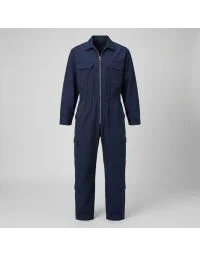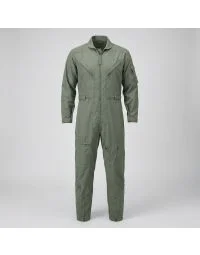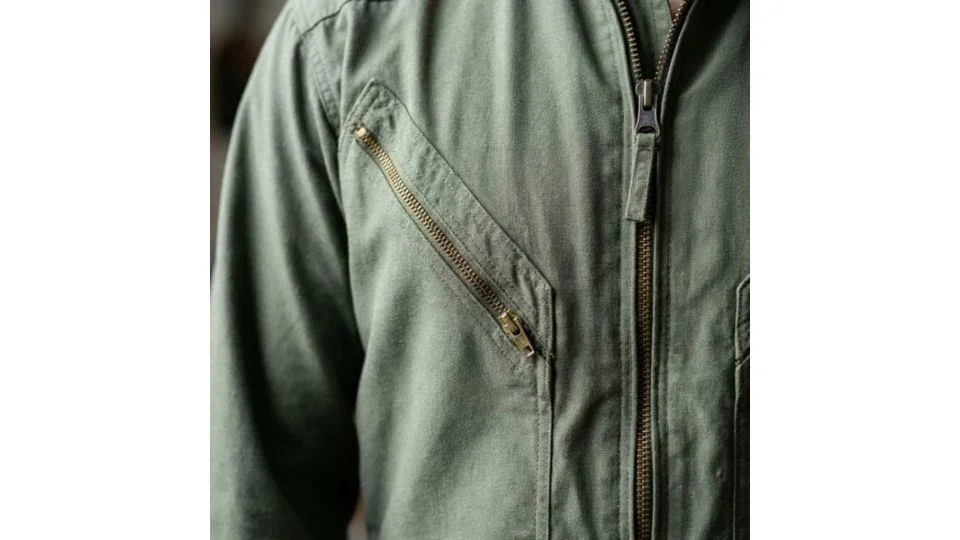
To wash a Nomex® flight suit, close every zip, remove or cover hook-and-loop patches, turn it inside out, and machine wash it on its own or with other flame-resistant garments in warm to hot water (no hotter than 140°F / 60°C) with an ordinary liquid detergent. Skip chlorine bleach, fabric softener, dryer sheets and starch, rinse thoroughly, and tumble dry on low before it is bone dry. Then hang it straight away. Always check the suit's own care label first, because it overrides general guidance.
What Nomex is, briefly
Nomex® is a meta-aramid fibre developed by DuPont. Since April 2026 the Nomex® and Kevlar® brands have been owned by Arclin, which completed its acquisition of the DuPont aramids business that month. The fibre's flame resistance is built into the polymer rather than added as a coating, which is why it does not wash out. What laundering can do is weaken the fabric, fade it, or leave behind contamination that burns. Our explainer on what Nomex is covers the fibre in more depth.
Fashion and heritage garments are not certified PPE; do not rely on them for firefighting, welding or other fire hazards. Flame resistant is not the same as fire immune, and a suit's real-world protection depends on its fabric, construction, fit, condition and the hazard involved. Also note that nylon jackets such as the MA-1 are not flame resistant at all.
The Nomex wash-care card
Keep this near the washer. Each line explains why the rule exists, because that is what most care labels leave out.
| Step | Do | Avoid | Why |
|---|---|---|---|
| Prep | Close zips and snaps; empty pockets; turn inside out | Open zips, loose pens and lighters | Open teeth snag the fabric; pens stain; lighters are a hazard |
| Patches | Remove hook-and-loop patches or cover the hook side | Washing with exposed hook tape | Hook tape pills and tears fabric |
| Load | Wash alone or with other flame-resistant items | Mixed loads with cotton blends or lint-heavy towels | Lint from other fabrics deposits on the suit and is flammable |
| Water | Warm to hot, up to 140°F / 60°C | Hotter washes | Higher heat adds shrinkage and fading without cleaning better |
| Detergent | Ordinary liquid detergent | Too much detergent | Residue that is not rinsed out can affect protection |
| Bleach | Oxygen-based bleach only, if at all | Chlorine bleach; peroxide-heavy stain removers | Chlorine does not remove flame resistance but weakens and fades the fibre over time |
| Softener | Nothing | Fabric softener, dryer sheets, starch | They leave a coating on the fibres; flight suit makers warn against them |
| Rinse | Extra rinse cycle if available | Short or eco rinses with heavy loads | Chemical residue must be fully removed |
| Dry | Tumble low (max 160°F / 71°C); remove slightly damp; hang | High heat; over-drying; line drying in strong sun | Over-drying causes shrinkage; UV fades and weakens aramid |
| Press | Hang to release wrinkles | Hot iron or commercial pressing | Many flight suit labels prohibit ironing |
Contamination is the real enemy
The flame resistance of Nomex is inherent, but anything sitting on the fabric is not. Fuel, hydraulic fluid, grease, oil-based paint and solvent soak into the cloth and can burn. Wildland firefighting guidance stresses washing Nomex garments frequently for exactly this reason. For a flight suit worn around aircraft or vehicles:
- Wash after any exposure to fuel or oil, not at the end of the week.
- Pretreat oily spots with a little liquid detergent worked in with your fingers before washing.
- If a garment is heavily soaked in fuel or oil, do not put it in a home machine. Industrial laundries handle contaminated workwear.
- Do not dry clean unless the label allows it; solvent residue is another contaminant.
Patches, zips and hardware
Patches
Hook-and-loop name tags and patches are the most common cause of fabric damage in the wash. Peel them off and wash them separately in a mesh bag, or press a spare strip of loop tape over each hook panel. Sewn-on patches can stay, but turn the suit inside out to protect embroidery. If you are adding patches, prefer original or licensed designs rather than real unit insignia.
Zips
Flight suits have many zips: front, chest, thigh, leg and sleeve pockets. Close them all before washing. If a zip runs stiff, rub the teeth with a little zip wax or a graphite pencil once the suit is dry. Avoid oil-based lubricants on Nomex.
Hook-and-loop on pockets and cuffs
Clear lint from hook tape with a stiff brush or comb after each wash. Clogged tape stops gripping.
Stains, odour and storage
- Sweat and odour: Wash promptly; an oxygen-based bleach soak, if the label allows it, helps with yellowed collars.
- Grass and mud: Brush off dry mud, pretreat with liquid detergent, wash normally.
- Storage: Hang the suit on a sturdy hanger, out of direct sunlight, in a dry closet. Long sun exposure fades sage green and tan suits noticeably.
If your flight suit is not Nomex
Many collector and costume flight suits are cotton, polyester or blends. Check the fibre label. Cotton suits can usually take a normal warm wash and medium dryer heat, and polyester suits a cool wash and low heat. None of them should be relied on for flame resistance. If you are shopping, the fibre is listed on each product page in our flight suits and coveralls section and across the wider Nomex flight gear range.
For the background on how one-piece flying suits evolved, see our flight suit history.
FAQ
Does washing remove Nomex flame resistance?
No. The flame resistance is part of the fibre, so normal laundering does not wash it out. Harsh chemicals, wear, contamination and UV can still reduce the fabric's overall performance.
Can I use fabric softener on a flight suit?
No. Makers of flight suits built in Nomex and similar flame-resistant fabrics warn against softeners and dryer sheets.
Why did my flight suit shrink?
Usually from a hot dryer or over-drying. Use low heat and remove it while slightly damp.
Can I iron a Nomex flight suit?
Check the label. Many flight suit labels say do not iron or press. Hanging it promptly after drying removes most wrinkles.
Sources
Laundering temperatures, bleach and drying guidance: DuPont: Fabric made with Nomex MHP for stationwear (care instructions). Contamination and frequent washing: National Wildfire Coordinating Group: Clothing standards. Ownership of the Nomex brand: Textile World: Arclin completes acquisition of the DuPont aramids business.