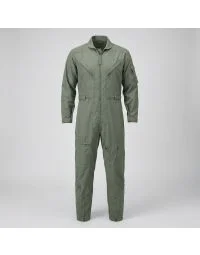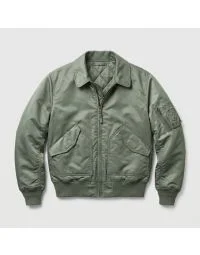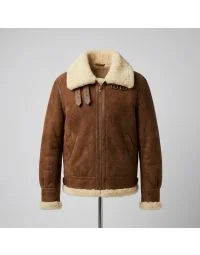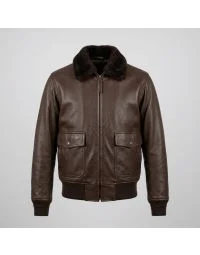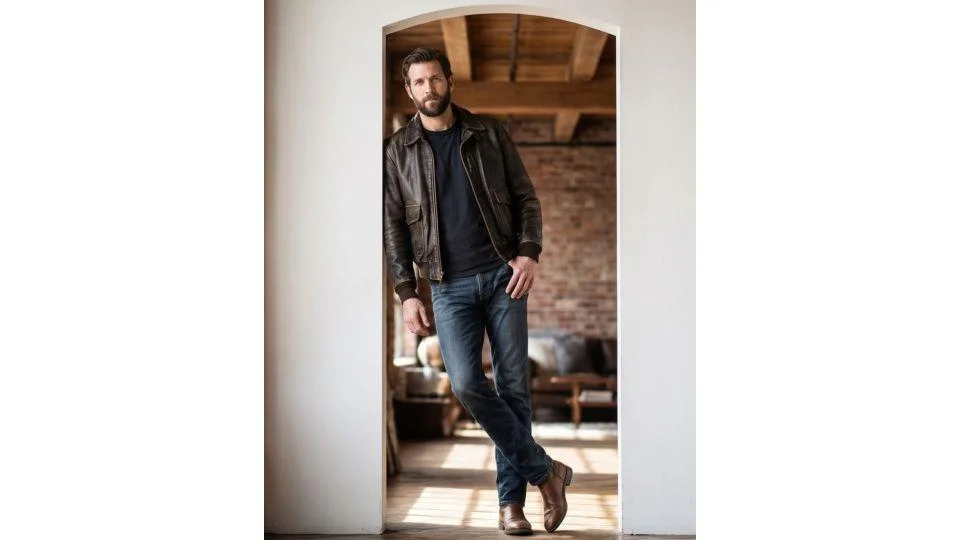
The right jacket for a tall man is one that adds length in the sleeves and body without adding width. Standard sizes grow in every direction at once, so tall men who size up for length end up with sleeves that fit and a chest that swamps them. The better route is to measure your sleeve and back length, choose styles whose design tolerates extra length, and use tall sizing or made to measure when your numbers fall outside standard proportions.
For context, the CDC's most recent national body-measurement data put the average height of U.S. adult men at about 5 feet 9 inches. Standard patterns are graded around that kind of figure, which is why a man of 6 feet 3 inches or more often finds that the sleeves and hem run out long before the chest does.
The tall-fit problem table
Each of these problems has a different cause, so the fix is different too. Try the jacket on, then match what you see.
| Problem | How to spot it | Likely cause | What helps |
|---|---|---|---|
| Short sleeves | Wrist shows when you reach forward or grip a steering wheel | Sleeve drafted for an average arm length | Tall sizing; knit or adjustable cuffs; made to measure |
| Riding hem | Hem lifts above the belt when you raise your arms or sit | Back length too short for your torso | Tall sizing; longer styles (field jackets, parkas); made to measure |
| Tight armholes | Pulling under the arms; whole jacket rises when you lift your arms | Armhole cut high and small; sleeve too short above the elbow | Styles with action backs or bi-swing pleats; raglan sleeves; made to measure |
| Baggy chest after sizing up | Sleeves now fit but the body balloons and the shoulders drop | Sizing up for length rather than buying a tall pattern | Return to your chest size and find extra length instead |
| Short rise at the front | Front hem lifts more than the back, waistband tilts | Long torso or forward posture | Longer back length; avoid cropped styles |
Which styles forgive length, and which do not
Some designs hide a few missing inches; others make them obvious. This is the most useful thing to know before you shop.
| Style | Forgiving? | Why |
|---|---|---|
| Field jackets (M-65 style) and parkas | Yes, very | Hip or thigh length gives plenty of margin; drawcords and snap cuffs adjust |
| MA-1 and other nylon bombers | Fairly | Knit cuffs and waistband grip in place, so slightly short sleeves look intentional |
| G-1 and jackets with action backs | Fairly | Bi-swing back pleats give reach without the hem rising as much |
| A-2 and leather bombers | Somewhat | Knit waistband helps, but a short back length shows immediately on a waist-length jacket |
| Shearling B-3 | Somewhat | Bulky and roomy, but the short body and heavy sleeves leave little adjustment |
| Biker and cafe racer jackets | No | Cropped, close-fitting cut with zip cuffs; short sleeves and a high hem are obvious |
Measure the two numbers that matter
Tall men should measure sleeve length and back length every time, not just chest. Bend the elbow slightly when measuring the sleeve, and measure the back from the prominent bone at the base of your neck to where you want the hem. Our step-by-step guide on how to measure for a jacket covers both, including the difference between shoulder-point and center-back sleeve measurements.
Then compare those numbers with the size guide. If your chest matches one size but your sleeves and back length are longer than that size lists, that is the clearest sign you need a tall pattern rather than a bigger one.
A quick in-store or at-home test
- Zip the jacket and stand naturally. The hem should sit at or below the belt on a flight jacket.
- Reach forward as if holding a steering wheel. The cuff should still reach your wrist bone.
- Raise both arms overhead. Some lift is normal; the hem should not clear your navel.
- Sit down. The front should not ride up over your belt buckle.
- Check the shoulders. If they slip down your arms, the jacket is too big, however good the sleeves look.
Big and tall: when both length and width change
If you are both tall and broad, standard grading tends to fail twice: the chest that fits comes with sleeves that are too short, and the length that fits comes with too much room at the waist. Look for patterns designed for big and tall figures, and prioritize a comfortable shoulder and chest before worrying about the waist. A leather jacket will relax a little in girth over time but never in length, so do not buy short in the expectation that it will grow.
Tall sizing or made to measure?
Tall sizing works well when you are tall but otherwise in proportion with a standard size: same chest, longer arms and torso. Browse our long and tall jackets for styles cut with extra length. Made to measure makes more sense when your proportions are unusual, for example very long arms with a slim chest, or a long torso with broad shoulders. On our product pages, choose Made to measure instead of a standard size and enter your sleeve length, back length, chest, shoulder width, waist, hips, height and weight, then pick a Slim, Regular or Room for layers fit; see how made to measure works. Our guide to made to measure vs standard size walks through which option fits which body type.
Frequently asked questions
What height counts as tall for jackets?
There is no single cut-off. As a rule, if standard sleeves and hems fall short when the chest fits, tall sizing is worth trying, whatever your height.
Can a tailor lengthen leather sleeves?
Rarely by much. There is usually little or no spare leather in the seam, and old needle holes show. Buy the length you need.
Should tall men avoid cropped jackets?
Not entirely, but choose styles with a knit waistband or wear them open. Fitted biker cuts are the least forgiving.
Sources
Average U.S. adult male height from CDC FastStats: Body Measurements.